
If you’ve noticed your old dog just staring into space, you’re not alone. Many dog owners experience this puzzling behavior as their beloved companion enters the senior years. One moment your dog seems fine, and the next, they’re standing still, gazing at a wall, corner, or seemingly nothing at all.
It can feel confusing. Is it harmless daydreaming? Is your dog losing their vision? Or could it be something more serious?
The truth is, an old dog just staring into space can mean several different things. Some causes are completely normal and age-related. Others may require medical attention. Understanding the difference is key to protecting your dog’s comfort and quality of life.
In this in-depth guide, we’ll explore what this behavior really means, when to worry, and how you can help your aging dog feel safe and supported.
Understanding Senior Dog Behavior Changes
Aging affects dogs much like it affects humans. As your dog grows older, physical and mental changes gradually occur. These changes don’t happen overnight, but over time they can alter how your dog interacts with the world.
Senior dogs may:
Sleep more.
Respond slower to commands.
Move cautiously.
Appear confused in familiar places.
Stare into space for extended periods.
Staring behavior often falls under cognitive or sensory changes. Sometimes, your dog is simply processing their environment more slowly. Other times, they may be experiencing neurological or medical issues.
Understanding the context is essential.
What Does “Old Dog Just Staring Into Space” Really Mean?
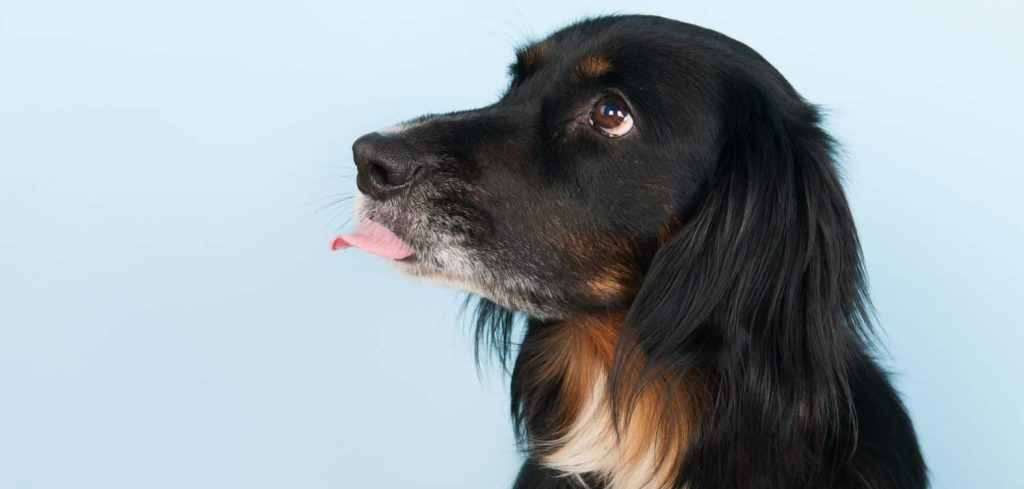
When people describe their old dog just staring into space, they usually mean their dog stands still and gazes blankly at nothing obvious. There may be no blinking, no response to their name, and no movement for several seconds—or even minutes.
This can appear as:
Staring at walls or corners
Gazing at the floor
Standing motionless in doorways
Looking confused afterward
The key question is: Is your dog responsive during these episodes?
If your dog snaps out of it when called, it may be mild. If they seem unaware or disoriented, it could signal something deeper.
Related: Old dog just standing and staring (What it means)
Common Causes of an Old Dog Just Staring Into Space
Canine Cognitive Dysfunction (Dog Dementia)
One of the most common reasons for an old dog just staring into space is Canine Cognitive Dysfunction (CCD), often compared to Alzheimer’s disease in humans.
CCD occurs when aging brain cells deteriorate. Over time, this leads to confusion, memory loss, and altered behavior. Dogs may forget routines, wander aimlessly, or appear lost in their own home.
Staring episodes are often linked to confusion. Your dog may be trying to process surroundings that once felt familiar but now seem unclear.
Other signs of CCD include disrupted sleep cycles, house-training accidents, increased anxiety, and reduced interaction with family members.
According to veterinary research from the American Veterinary Medical Association (AVMA), cognitive decline affects a significant percentage of dogs over the age of ten.
Early veterinary intervention can slow progression and improve quality of life.
Vision Loss and Sensory Decline
Another major cause of an old dog just staring into space is declining vision. As dogs age, their eyesight naturally weakens. Conditions such as cataracts, glaucoma, or nuclear sclerosis may impair their ability to see clearly.
When a dog’s vision deteriorates, they may appear to stare because they are struggling to focus or interpret shapes and light. What looks like staring may actually be your dog trying to understand blurry surroundings.
Vision loss often comes with:
Bumping into furniture.
Hesitation in dim lighting.
Startling easily.
Reluctance to climb stairs.
If you suspect vision issues, a veterinary eye exam can provide clarity.
Related: Old dog eyes moving back and forth (What it means)
Hearing Loss and Reduced Environmental Awareness
Hearing decline can also contribute to staring behavior. Dogs rely heavily on sound cues. When hearing diminishes, their awareness of surroundings decreases.
If your old dog just staring into space doesn’t respond to your voice, it may not be cognitive—it could be hearing impairment. Aging dogs may become less reactive simply because they cannot detect subtle sounds.
You may notice they sleep more deeply or fail to react to doorbells or approaching footsteps.
A simple hearing evaluation at your veterinary clinic can help determine whether sensory decline is involved.
Seizure Activity or Neurological Events
In some cases, staring episodes may indicate focal seizures. Unlike full-body seizures, focal seizures can appear subtle. Your dog may freeze, stare blankly, twitch slightly, or seem momentarily disconnected.
These episodes typically last seconds to a minute. Afterward, your dog may appear confused or tired.
Neurological causes should never be ignored. If staring is accompanied by drooling, muscle twitching, loss of balance, or unusual behavior, immediate veterinary attention is necessary.
Pain or Discomfort
Chronic pain, especially from arthritis, can cause unusual behavior. When dogs experience discomfort, they may stand still, zone out, or withdraw.
An old dog just staring into space may actually be internally coping with pain. Arthritis, dental disease, and organ issues are common in senior dogs.
If your dog seems stiff, reluctant to move, or sensitive to touch, pain management strategies may significantly improve their well-being.
When Is Staring Normal Aging?
Not every staring episode signals danger. Sometimes, senior dogs simply slow down. They may be resting their eyes, processing slower thoughts, or enjoying quiet moments.
Normal aging-related staring is typically brief and easily interrupted. If your dog responds quickly when you call their name and shows no other concerning symptoms, it may not be serious.
Consistency and frequency matter. Occasional staring is usually harmless. Frequent, prolonged episodes deserve evaluation.
Warning Signs You Should Not Ignore
Certain red flags require prompt veterinary care. If your old dog just staring into space also shows any of the following symptoms, schedule an appointment immediately:
Disorientation in familiar environments.
Sudden personality changes.
Aggression or extreme anxiety.
Loss of appetite.
Repeated pacing or nighttime restlessness.
Loss of coordination.
Trust your instincts. You know your dog best.
How Veterinarians Diagnose the Cause
Diagnosis typically begins with a thorough physical examination and medical history review. Your veterinarian may recommend blood tests to rule out metabolic issues such as thyroid imbalance or organ dysfunction.
Advanced imaging like MRI or CT scans may be suggested if neurological conditions are suspected.
In many cases, diagnosing cognitive dysfunction is based on ruling out other causes first.
Early detection often leads to better management outcomes.
Treatment Options and Support Strategies
Treatment depends entirely on the root cause. If cognitive dysfunction is diagnosed, medications such as selegiline may help improve brain function. Dietary changes, including antioxidant-rich foods, can also support cognitive health.
For vision or hearing decline, environmental adjustments are key. Keep furniture in consistent locations. Use textured rugs to guide movement. Provide soft lighting at night.
If seizures are confirmed, anti-seizure medications may be prescribed.
Pain-related causes can be managed with anti-inflammatory medications, joint supplements, physical therapy, or lifestyle modifications.
Each plan should be tailored to your dog’s specific needs.
Creating a Safe Environment for Senior Dogs
Making your home senior-friendly can significantly reduce confusion and anxiety.
Keep routines consistent. Feed and walk your dog at the same times daily. Avoid sudden rearrangement of furniture.
Provide comfortable bedding in quiet areas. Use baby gates to block staircases if mobility is reduced.
Gentle mental stimulation, such as scent games or simple training exercises, can keep aging brains active without overwhelming them.
The Emotional Impact on You
Watching your old dog just staring into space can feel heartbreaking. You may worry they are suffering or fading away.
It’s important to remember that aging is natural. Many senior dogs continue to experience joy, comfort, and deep connection with their families.
Stay present. Offer affection. Speak calmly. Your reassurance matters more than you realize.
If feelings of worry become overwhelming, seek guidance from your veterinarian. Support and clarity can ease emotional stress.
How to Monitor Staring Episodes at Home
Keeping a simple journal can help track patterns. Note the time of day, duration, and any additional symptoms during episodes.
Are they happening mostly at night? After meals? During stress?
Patterns provide valuable clues for your veterinarian and can speed up diagnosis.
Preventive Care for Aging Dogs
Routine veterinary visits become increasingly important as dogs age. Twice-yearly checkups allow early detection of issues.
Regular blood work, dental care, and joint assessments help prevent complications.
Nutrition also plays a key role. Senior-specific dog foods are formulated to support aging bodies and brains.
Preventive care is not just about extending life—it’s about improving quality of life.
Related: Old dog not eating (Why it happens and what to do)
Key Takeaway
Seeing your old dog just staring into space can be unsettling, but it doesn’t always mean something serious. In many cases, it’s simply part of aging. However, it can also signal cognitive decline, sensory loss, seizures, or pain.
The best approach is awareness paired with action. Observe carefully. Track changes. Consult your veterinarian when necessary.
Your senior dog has given you years of loyalty, love, and companionship. With the right care and understanding, you can help them enjoy their golden years with comfort and dignity.
Aging may slow them down—but it doesn’t erase the bond you share.