
When you notice your old dog’s head sinking in, it can be deeply unsettling. Whether the top of the head looks more hollow than before or the face appears sunken, these changes often signal something happening beneath the surface.
While aging alone can cause subtle physical changes, a noticeably sunken head in a senior dog should never be ignored.
We outline why an old dog’s head may appear to be sinking in, what underlying conditions could be responsible, and when it’s time to seek veterinary care.
What Does “Old Dog Head Sinking In” Actually Mean?
An “old dog head sinking in,” usually refers to one of the following changes:
A hollow or sunken appearance near the temples.
Loss of muscle on top of the skull.
A more pronounced bony ridge on the head.
Facial thinning that makes the eyes appear deeper set.
In many cases, this visual change is related to muscle loss or fat loss, but it can also be associated with more serious medical conditions.
Understanding the cause is key to determining whether it’s part of normal aging or a sign of illness.
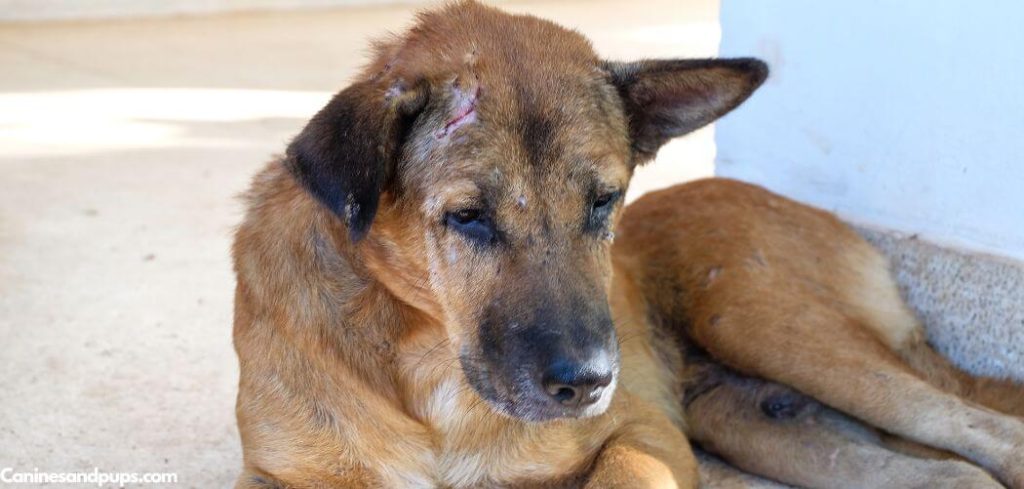
Old Dog Head Sinking In: Common Causes
Age-Related Muscle Loss (Sarcopenia)
One of the most common reasons for an old dog’s head sinking in is natural muscle loss, known as sarcopenia. As dogs age, their bodies gradually lose muscle mass, especially if they are less active than they were in their younger years.
The muscles around the skull, particularly the temporalis muscles located on either side of the head, can shrink over time. When this happens, the once-rounded top of the head may begin to look more angular or hollow. You might notice that your dog’s skull feels more prominent when you pet them.
In many senior dogs, this process happens slowly and evenly across the body. However, if muscle loss is especially noticeable in the head region, it may indicate that additional factors such as poor nutrition or underlying illness are contributing.
While mild age-related muscle loss can be normal, rapid or dramatic head sinking is not typical and should be evaluated.
Related: Old dog tilting head to one side (Here’s why)
Chronic Weight Loss And Malnutrition
If your old dog’s head looks sunken and they have also been losing weight, poor nutritional intake could be a major factor. When dogs do not consume enough calories, protein, or essential nutrients, the body begins breaking down muscle and fat reserves to survive.
The head and face can show this loss clearly because there is little fat covering the skull. As body condition declines, the temples may hollow out and the cheeks may appear thinner. In severe cases, the entire skull structure becomes more visible.
Malnutrition can occur for several reasons in senior dogs. Dental pain may make chewing difficult. Gastrointestinal problems can interfere with nutrient absorption. Chronic diseases such as kidney disease or cancer can reduce appetite and cause muscle wasting.
If your old dog’s head sinking in is accompanied by reduced appetite, vomiting, diarrhea, or lethargy, a full veterinary workup is critical.
Masticatory Muscle Myositis
Masticatory Muscle Myositis, often abbreviated as MMM, is an immune-mediated condition that specifically targets the chewing muscles of the head. This condition can cause dramatic muscle shrinkage over time.
In the early stages, dogs may experience jaw pain, difficulty opening their mouth, or swelling in the face. As the disease progresses, the inflamed muscles begin to waste away, leaving a visibly sunken appearance along the temples and forehead.
MMM can affect dogs of various ages but is sometimes noticed later in life when muscle changes become more pronounced. The head may appear hollowed out, and chewing tough food may become challenging.
This condition requires prompt veterinary diagnosis and typically involves blood testing and sometimes a muscle biopsy. Early treatment improves the chances of preserving muscle mass.
Neurological Disorders
Certain neurological conditions can cause muscle atrophy in the head. When nerves that control facial or jaw muscles become damaged, the muscles they serve may shrink due to lack of stimulation.
Over time, this can result in one side of the head appearing sunken or asymmetrical. You may also notice drooping of the face, difficulty blinking, or changes in jaw movement.
Brain tumors, nerve inflammation, or degenerative nerve disorders can all contribute to these changes in senior dogs.
If the head sinking in appears uneven or is accompanied by seizures, confusion, circling, or behavior changes, emergency veterinary evaluation is necessary.
Neurological causes are less common than age-related muscle loss, but they are more serious and should not be overlooked.
Chronic Illness And Systemic Disease
Many chronic illnesses in older dogs lead to muscle wasting as part of a broader condition called cachexia. This is commonly seen in dogs with long-term diseases such as:
Chronic kidney disease
Heart disease
Advanced liver disease
Cancer
When the body is fighting chronic illness, metabolism shifts in a way that breaks down muscle tissue even if the dog is eating normally. The temporalis muscles on the head are particularly noticeable when they shrink.
In these cases, the sunken head is often just one visible sign among others. You may also see fatigue, decreased activity, increased thirst, breathing changes, or coat dullness.
Addressing the underlying disease is the only way to stabilize muscle loss in these situations.
Dehydration
Although less dramatic than muscle wasting, dehydration can cause a dog’s face and head to appear temporarily sunken. When fluid levels drop, tissues lose fullness and elasticity.
You might notice:
Dry gums
Sunken eyes
Lethargy
Reduced skin elasticity
In mild cases, rehydration resolves the appearance quickly. However, chronic dehydration often signals kidney problems or other underlying health issues in older dogs.
If your old dog’s head sinking in is sudden and accompanied by weakness or refusal to drink, immediate veterinary attention is necessary.
When Is Head Sinking In Considered Normal Aging?
Mild muscle thinning over many years can be part of the aging process. Senior dogs often lose overall muscle tone, especially if they are less active.
However, normal aging does not cause:
Rapid head hollowing.
Pain when chewing.
Sudden asymmetry.
Severe weight loss.
Behavioral changes.
If any of these symptoms are present, aging alone is unlikely to be the sole cause.
Related: Dog excessively shaking head (Why it happens)
Signs You Should Call The Vet Immediately
Seek veterinary care right away if your old dog’s head sinking in is accompanied by:
Difficulty opening or closing the mouth.
Refusal to eat.
Sudden blindness or disorientation.
Seizures.
Persistent vomiting.
Labored breathing.
Extreme lethargy.
Early intervention can significantly improve outcomes, especially in immune-mediated and neurological conditions.
Diagnosis
To determine why your old dog’s head is sinking in, your veterinarian may recommend:
A physical examination focusing on muscle symmetry.
Blood tests to check organ function and inflammation.
Specific antibody testing for masticatory muscle myositis.
X-rays or advanced imaging such as MRI or CT scans.
Nutritional evaluation.
Diagnosis depends heavily on accompanying symptoms and medical history.
Treatment Options
Treatment varies depending on the underlying cause. If age-related muscle loss is the issue, improving protein intake, encouraging gentle exercise, and maintaining a healthy weight can slow progression.
For Masticatory Muscle Myositis, immunosuppressive medications such as corticosteroids are often prescribed to reduce inflammation.
Chronic illness requires management of the primary disease, whether that involves kidney support diets, heart medications, or cancer therapies.
Neurological conditions may require specialized care, medications, or referral to a veterinary neurologist.
In cases of dehydration, fluid therapy is essential.
Supporting A Senior Dog With Muscle Loss
Even when head sinking in is related to aging, supportive care can make a big difference.
Provide a high-quality senior diet rich in digestible protein. Gentle daily walks help maintain muscle tone without overexertion. Soft bedding supports aging joints and encourages rest.
Regular veterinary checkups are especially important for senior dogs, as subtle changes can be detected early.
Related: Dog licking paws and shaking head (Why it happens)
Key Takeaway
Seeing your old dog’s head sinking in can be alarming, but it is often a visible clue that something deeper is happening. While mild muscle thinning may be part of the natural aging process, significant or rapid changes usually point to nutritional deficiencies, immune disorders, neurological conditions, or chronic disease.
The key is observation. Monitor appetite, energy levels, chewing ability, and any additional symptoms. If you are unsure, it is always safer to consult your veterinarian.
Early action can protect your senior dog’s comfort, health, and quality of life — and give you peace of mind along the way.