
If your old dog is getting bony in the back, with the spine or hips becoming more visible, it can be worrying and often signals changes in their health or body condition.
Some muscle loss is normal with aging, but noticeable weight or muscle loss should always be taken seriously.
What Does a Bonny Back Look Like in Old Dogs?
A bonny or bony back usually shows up as a visible ridge along the spine. The muscles that once padded the backbone shrink, making the vertebrae easier to see and feel. The top line of the dog may look sunken, uneven, or sharply defined.
In many cases, this change happens gradually. Dog owners often notice it while petting their dog or during grooming.
You may also see weakness in the hind legs, difficulty rising, slower walking, or fatigue after short activity. These signs often accompany muscle loss along the back.
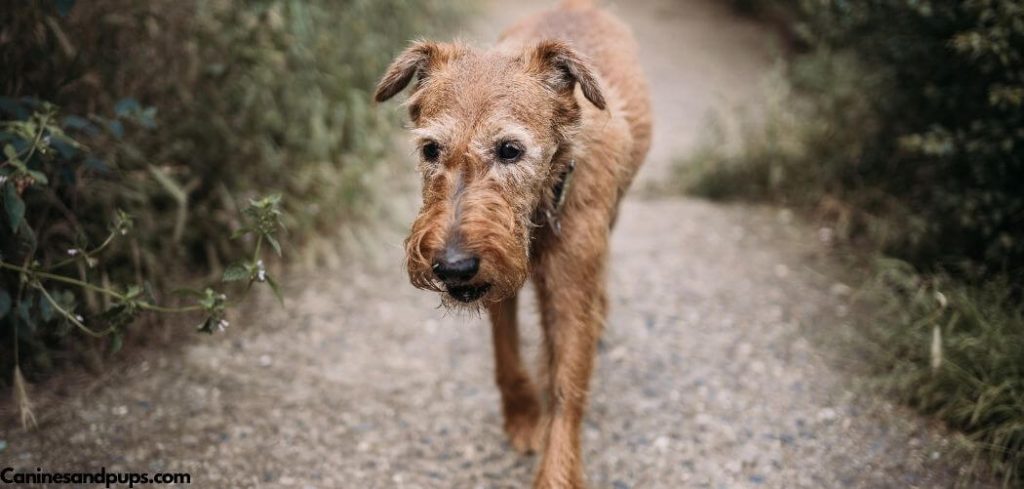
Old Dog Getting Bony Back: Why It Happens
An old dog getting bony in the back happens because muscle and fat tissues break down faster than they are rebuilt, often due to aging, reduced activity, poor nutrition, or medical conditions affecting how the body uses nutrients.
Common causes include muscle loss, weight loss, aging, or underlying illness. As dogs age, they naturally lose muscle mass and may have changes in metabolism, appetite, and nutrient absorption.
Old Dog Getting Bony Back: Symptoms
If your old dog is getting bony in the back, you may notice:
More visible spine, hips, or rib outlines
Loss of muscle along the back and hindquarters
Weight loss despite normal or reduced appetite
Reduced strength or stamina
Difficulty standing, walking, or climbing
Loose or sagging skin over the back
Changes in coat condition
Decreased overall body condition
Old Dog Getting Bony Back: Common Causes
Age-Related Muscle Loss (Sarcopenia)
One of the most common reasons an old dog develops a bony back is natural muscle loss with age.
As dogs get older, their bodies become less efficient at maintaining muscle mass, even if their diet hasn’t changed. This process, known as sarcopenia, leads to gradual thinning of the muscles along the spine and hind legs.
The back is often where this loss becomes most noticeable, as the protective muscle layer over the spine diminishes. You may feel sharper bones when petting your dog or notice a more pronounced spine.
This type of muscle loss tends to develop slowly and may be more obvious in less active dogs.
Read more: Old Dog Losing Weight (Why it happens)
Reduced Activity
Older dogs often become less active due to joint pain or stiffness.
When a dog moves less, their muscles are used less frequently, leading to gradual atrophy. This is especially common in dogs with arthritis or mobility problems.
Over time, reduced activity leads to weakening of the back and hindquarters, making the bones more visible. Even if your dog is eating normally, inactivity alone can cause noticeable muscle loss.
This creates a cycle where weakness leads to less movement, which leads to further muscle loss.
Poor Nutrition or Reduced Appetite
Changes in diet or appetite can significantly affect body condition.
Older dogs may eat less due to dental issues, illness, or reduced interest in food. If they are not consuming enough calories or protein, the body begins to break down muscle for energy.
A lack of high-quality nutrients can also prevent proper muscle maintenance. Even small deficiencies over time can lead to visible weight and muscle loss.
This often shows up as a bony back, along with overall thinning of the body.
Read more: Old Dog Not Eating (What it could mean)
Digestive Issues
Sometimes your dog may be eating normally but not absorbing nutrients properly.
Conditions affecting the digestive system can interfere with how food is broken down and absorbed into the body.
This means your dog may not be getting the nutrients they need to maintain muscle and weight, leading to gradual loss of body condition.
Signs may include loose stools, gas, or changes in appetite alongside weight loss.
Chronic Illness or Organ Disease
Underlying health conditions can lead to muscle wasting. Diseases affecting the kidneys, liver, or other organs can alter metabolism and cause the body to break down muscle tissue.
In older dogs, these conditions may develop gradually and may not be obvious at first. Weight loss and a bony back are often among the early visible signs.
Additional symptoms may include lethargy, changes in drinking or urination, or reduced appetite.
Cancer or Tumors
Cancer is a serious but possible cause of weight and muscle loss in older dogs. Tumors can affect how the body uses nutrients and energy, often leading to gradual wasting even if your dog continues to eat.
This type of weight loss may appear progressive and unexplained, with the back and hips becoming more prominent over time.
Because cancer becomes more common with age, it should always be considered if weight loss is significant or unexplained.
Dental Problems
Dental disease can make eating painful or difficult. If your dog has sore gums, loose teeth, or infection, they may eat less or avoid harder foods.
Over time, reduced food intake leads to weight and muscle loss, which can make the back appear more bony.
Dental issues are often overlooked but are a common cause of reduced nutrition in older dogs.
Old Dog Getting Bony Back: What to Do
Start by evaluating your dog’s diet and ensuring they are receiving high-quality, nutrient-rich food.
Senior dogs often benefit from diets higher in protein to help maintain muscle mass.
Encourage gentle, regular exercise to support muscle strength, even if it’s just short, low-impact walks.
Monitor your dog’s weight and body condition regularly, noting any changes over time.
If your dog has difficulty eating, consider softer foods or adjusting feeding methods to make meals more comfortable.
Most importantly, observe for other symptoms such as changes in energy, appetite, or behavior.
When to Call or Visit Your Vet
If your old dog is getting bony in the back and the change is noticeable or progressing, you should consult your veterinarian.
Weight and muscle loss are often signs of underlying health issues.
Seek prompt attention if your dog is losing weight rapidly, has a reduced appetite, or shows signs of illness.
These may indicate more serious conditions.
You should also contact your vet if weight loss is accompanied by vomiting, diarrhea, or changes in drinking or urination.
Early diagnosis can help address the cause and improve your dog’s condition.
Old Dog Getting Bony Back: Treatment
Treatment for an old dog getting a bony back depends on the cause.
Your vet may recommend dietary changes, including higher-calorie or protein-rich foods to support weight gain and muscle maintenance.
If an underlying illness is identified, treatment will focus on managing that condition.
Digestive issues may require specialized diets or supplements to improve nutrient absorption.
Pain management may be necessary if mobility issues are contributing to muscle loss.
A tailored treatment plan can help restore comfort and improve overall body condition.
Key Takeaway
An old dog getting bony in the back is often a sign of muscle or weight loss that should not be ignored.
While some changes are part of aging, noticeable or rapid loss can indicate underlying health concerns.
By monitoring your dog closely and seeking veterinary care when needed, you can help maintain their strength, comfort, and quality of life in their senior years.