
When an older dog’s eyes begin watering excessively, it can be worrying for any pet owner.
While occasional tearing is normal, persistent watery eyes often signal irritation or underlying eye disease that needs attention.
Signs of watery eyes in older dogs
Signs of watery eyes in older dogs include:
- Constant tearing.
- Wet or stained fur beneath the eyes.
- Frequent blinking or squinting.
- Redness around the eyes.
- Mild swelling of the eyelids.
- Clear discharge that can become thicker if irritation or infection develops.
- Some dogs rub their face on furniture or paw at their eyes, showing discomfort.
In senior dogs, watery eyes may also be accompanied by cloudiness, vision changes, or light sensitivity.
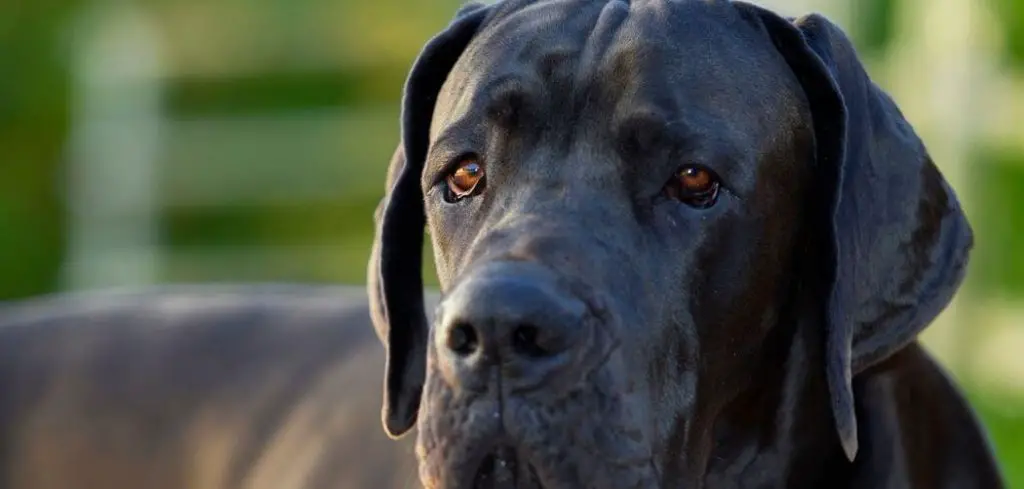
Old Dog Eyes Watering: Why It Happens
Watery eyes in old dogs are most often caused by chronic irritation, age-related tear duct changes, eye infections, eyelid abnormalities, and degenerative eye conditions that interfere with normal tear drainage.
As dogs age, the structures that protect and drain the eyes weaken, making them more prone to inflammation and blockage.
Environmental allergens, reduced immune response, and facial anatomy can further worsen tearing. In some cases, excessive tearing signals painful or vision-threatening disease.
Old Dog Eyes Watering: Common Causes
Blocked or Narrowed Tear Ducts
Tear ducts normally drain excess tears from the eyes into the nasal passages. In older dogs, these ducts may become narrowed or blocked due to inflammation, scarring, infection, or age-related tissue changes.
When drainage is impaired, tears overflow onto the face, leaving wet fur and reddish-brown tear stains. Dogs may rub their eyes or blink more frequently.
This condition is serious because stagnant tears can encourage bacterial growth and lead to chronic eye infections.
Read more: Old Dog Cloudy Eyes (Vision changes explained)
Chronic Conjunctivitis
Conjunctivitis is inflammation of the thin membrane lining the eyelids and eye surface. In senior dogs, weakened immunity and repeated exposure to irritants increase susceptibility.
Affected dogs often have watery or sticky discharge, redness, squinting, and swollen eyelids. The eyes may appear irritated and uncomfortable.
If untreated, chronic conjunctivitis can damage the cornea and impair vision.
Dry Eye (Keratoconjunctivitis Sicca)
Although dry eye reduces tear production, it often causes excessive watery discharge as the body attempts to compensate for irritation.
Older dogs with dry eye may show thick mucus, redness, dull corneas, frequent blinking, and discomfort. Paradoxically, their eyes may appear constantly wet.
Dry eye is serious because untreated cases can lead to corneal ulcers and blindness.
Eyelid and Eyelash Abnormalities
Age-related changes can cause eyelids to turn inward (entropion) or outward (ectropion). Misaligned eyelashes may rub against the eye surface.
These abnormalities constantly irritate the cornea, triggering reflex tearing. Dogs may squint, paw at their face, or avoid bright light.
Persistent irritation increases the risk of ulcers and chronic inflammation.
Corneal Irritation and Ulcers
Scratches, foreign bodies, or trauma can damage the clear corneal surface. Senior dogs have slower healing responses, making them more vulnerable.
Signs include excessive tearing, squinting, redness, cloudiness, and sensitivity to light. Some dogs become withdrawn due to pain.
Corneal ulcers are serious emergencies that can threaten vision if untreated.
Allergies and Environmental Irritants
Seasonal allergies, dust, smoke, grooming products, and household chemicals can irritate sensitive senior eyes.
Dogs may develop watery discharge, redness, sneezing, and face rubbing. Symptoms often worsen during specific seasons or after exposure.
Chronic irritation weakens the eye’s protective barriers and increases infection risk.
Read more: Old Dog Eyes (Common age related problems)
Old Dog Eyes Watering: What to Do
If your old dog’s eyes are watering, gently clean the area using a soft cloth dampened with sterile saline or warm water. This removes discharge and reduces skin irritation.
Keep facial hair trimmed around the eyes to prevent fur from trapping moisture and debris. Regular grooming helps improve airflow and hygiene.
Limit exposure to smoke, dust, and strong fragrances. A cleaner environment reduces eye irritation.
Provide good nutrition with omega-3 fatty acids and antioxidants, as recommended by your vet, to support eye health.
Avoid using human eye drops or leftover medications. Improper treatment can worsen underlying problems.
Monitor both eyes daily for changes in color, discharge, or behavior.
When to Contact Your Veterinarian
Contact your veterinarian immediately if your dog is squinting, keeping an eye closed, or showing signs of pain.
Seek urgent care if discharge becomes thick, yellow, green, or bloody.
Schedule an exam if watering persists longer than two to three days or keeps returning.
Call your vet if your dog’s eyes appear cloudy, bluish, or suddenly change color.
Dogs with vision loss, head tilting, or behavior changes need prompt evaluation.
Read more: Old Dog Eye Discharge (When to worry)
Old Dog Eyes Watering: Treatment
Treatment for watery eyes in older dogs depends on identifying the underlying cause and relieving eye irritation.
A veterinarian will examine the eyes and may perform tear production tests, eye staining, and eyelid evaluation to check for infection, dry eye, blocked tear ducts, allergies, or corneal injury.
Treatment may include medicated eye drops or ointments (antibiotics, anti-inflammatory, or lubricating drops), tear duct flushing, or allergy management.
If eyelid abnormalities, ingrown hairs, or tumors are present, surgical correction may be recommended. Prompt treatment is important, as untreated eye issues in senior dogs can lead to pain, infection, or vision loss.
Key Takeaway
Watery eyes in old dogs are commonly caused by tear duct problems, infections, dry eye, eyelid abnormalities, corneal irritation, or allergies.
While mild tearing may seem harmless, persistent symptoms often signal discomfort or disease.
Early veterinary care, gentle home support, and regular monitoring help protect your dog’s vision and comfort. Paying attention to eye health allows your senior dog to enjoy life with clear, pain-free sight.