
When an old dog suddenly starts drooling excessively, it can be alarming for any pet owner, especially if it appears without warning or is accompanied by other unusual symptoms.
Excessive drooling in senior dogs may signal anything from mild irritation to serious internal illness, making careful observation essential.
This guide explains the most common causes of sudden excessive drooling in old dogs, what you can do at home, and when to involve your veterinarian.
Old Dog Excessively Drooling Suddenly: Why It Happens
An old dog drooling excessively all of a sudden is most often linked to dental disease, nausea, pain, toxin exposure, organ dysfunction, neurological changes, or heat-related stress that interferes with normal saliva control.
As dogs age, their ability to tolerate physical stress and regulate bodily functions declines, making them more vulnerable to conditions that affect the mouth, digestive system, nervous system, and internal organs.
Sudden drooling may also appear when discomfort or illness disrupts normal swallowing. In many cases, this symptom reflects an underlying medical problem that requires timely evaluation.
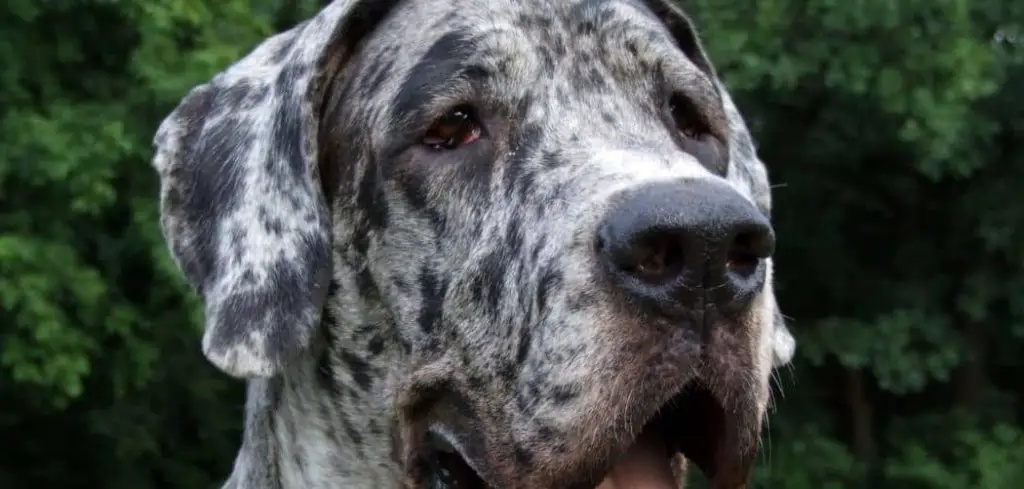
Old Dog Excessively Drooling Suddenly: Common Causes
Dental Disease and Oral Infections
Advanced dental disease is one of the most common reasons an old dog may suddenly begin drooling excessively.
Years of plaque and tartar buildup can lead to gingivitis, tooth root infections, abscesses, and gum recession, all of which cause chronic inflammation and pain inside the mouth.
When oral tissues become inflamed, saliva production increases as the body attempts to protect irritated surfaces.
Senior dogs with dental disease may show additional signs such as bad breath, pawing at the mouth, reluctance to chew, dropping food, bleeding gums, or facial swelling.
In some cases, infection spreads below the gumline, leading to severe discomfort that makes swallowing painful. This causes saliva to pool and drip from the mouth instead of being swallowed normally.
Untreated dental infections can spread bacteria into the bloodstream, affecting the heart, kidneys, and liver. When drooling is linked to oral disease, prompt dental evaluation is essential to prevent serious complications.
Related: Old Dog Constant Diarrhea (Why it happens and when to worry)
Gastrointestinal Upset and Nausea
Nausea is a frequent but often overlooked cause of sudden drooling in older dogs. When the stomach becomes irritated due to gastritis, acid reflux, pancreatitis, intestinal inflammation, or dietary indiscretion, the brain activates salivation centers in preparation for vomiting. This results in excessive drool, lip-smacking, and swallowing motions.
Dogs experiencing nausea may appear restless, lick surfaces, pace, refuse food, or vomit. Some may hunch their posture or appear uncomfortable when lying down.
Older dogs are particularly sensitive to digestive disturbances because their organs are less resilient and more prone to inflammation.
Persistent nausea may indicate underlying diseases such as kidney failure, liver disease, intestinal tumors, or chronic pancreatitis.
When drooling is accompanied by appetite loss, vomiting, or lethargy, gastrointestinal illness should be strongly suspected.
Pain and Inflammation in the Body
Severe pain anywhere in the body can trigger excessive drooling in senior dogs. Pain activates the sympathetic nervous system, which can stimulate salivary glands and interfere with normal swallowing.
Conditions such as arthritis flare-ups, spinal disease, abdominal inflammation, or internal injuries may all cause this response.
Dogs in pain often show subtle signs, including reluctance to move, whining, trembling, hiding, reduced interaction, or changes in posture. Because older dogs tend to mask discomfort, drooling may be one of the few visible signs that something is wrong.
Chronic untreated pain not only reduces quality of life but also contributes to depression, appetite loss, and weakened immunity.
Sudden drooling combined with behavioral changes should always raise concern for hidden pain.
Toxin Exposure and Chemical Irritation
Exposure to toxic substances is a medical emergency that frequently causes sudden excessive drooling. Common household hazards include cleaning products, pesticides, rodenticides, antifreeze, certain plants, medications, and spoiled food.
Even licking treated surfaces or chewing contaminated objects can trigger severe oral irritation.
Toxins irritate the mouth and digestive tract, leading to intense salivation, foaming, gagging, and sometimes vomiting. Some poisons also affect the nervous system, worsening drooling and causing tremors, weakness, or seizures.
Older dogs are more vulnerable to toxins due to reduced liver and kidney detoxification capacity. Any suspicion of poisoning requires immediate veterinary care, as delayed treatment can be fatal.
Kidney and Liver Disease
Chronic kidney and liver disease are common in aging dogs and often contribute to excessive drooling.
When these organs fail to filter waste products effectively, toxins accumulate in the bloodstream. These toxins irritate the gastrointestinal tract and oral tissues, leading to nausea and hypersalivation.
Dogs with kidney or liver dysfunction may drink excessively, urinate more or less than normal, lose weight, develop bad breath, appear lethargic, or show changes in appetite. Uremic ulcers can form in the mouth in advanced kidney disease, causing severe pain and drooling.
Because these conditions progress silently, drooling may be one of the first noticeable warning signs. Early diagnosis improves management and slows disease progression.
Neurological Disorders and Cognitive Decline
Neurological problems can interfere with a dog’s ability to control facial muscles, tongue movements, and swallowing. Conditions such as vestibular disease, brain tumors, strokes, seizures, or canine cognitive dysfunction may all cause drooling.
Dogs with neurological issues may tilt their head, stumble, circle, appear confused, develop abnormal eye movements, or lose coordination.
Cognitive decline may also lead to disorientation that disrupts normal feeding and drinking patterns, indirectly increasing drool accumulation.
When drooling is paired with balance problems, behavior changes, or altered awareness, neurological disease should be suspected and investigated promptly.
Heat Stress and Temperature Dysregulation
Older dogs have reduced ability to regulate body temperature. Exposure to warm environments, poor ventilation, dehydration, or overexertion can quickly lead to overheating.
Excessive drooling is an early sign of heat stress, as dogs rely on saliva evaporation for cooling.
Heat-stressed dogs may pant heavily, seek cool surfaces, become weak, or collapse. Continued overheating can progress to heatstroke, which damages organs and can be life-threatening.
Senior dogs are especially vulnerable due to reduced cardiovascular and respiratory reserve. Sudden drooling during warm conditions should never be ignored.
Related: Old dog not eating (Why it happens)
What to Do
If your old dog suddenly begins drooling excessively, start by gently inspecting the mouth for obvious injuries, foreign objects, swelling, bleeding, or foul odors. Do not force the mouth open if your dog appears painful or aggressive, as this may worsen injury.
Provide a quiet, cool, comfortable resting area and limit physical activity. Stress and exertion can worsen drooling and discomfort, especially if heat or pain is involved.
Offer small amounts of fresh water and observe whether your dog can swallow normally. Do not force fluids if swallowing appears difficult, as aspiration may occur.
Monitor closely for additional symptoms such as vomiting, weakness, appetite loss, diarrhea, trembling, or behavior changes.
Write down when the drooling started and what else you notice, as this information helps your veterinarian.
Avoid giving human medications or home remedies unless directed by a veterinarian. Many common pain relievers and supplements are toxic to dogs and can worsen underlying conditions.
When to Call or Visit Your Vet
Contact your veterinarian immediately if drooling is severe, sudden, or worsening, especially if it persists for more than a few hours without improvement.
Seek urgent care if drooling is accompanied by vomiting, collapse, seizures, weakness, difficulty breathing, pale gums, or signs of poisoning.
Immediate veterinary attention is needed if you notice facial swelling, mouth ulcers, bleeding, foul discharge, or refusal to eat and drink.
Older dogs with known kidney disease, liver disease, heart disease, or cancer should be evaluated promptly whenever new drooling appears.
Any neurological signs such as head tilt, confusion, stumbling, or abnormal eye movement combined with drooling require emergency assessment.
Related: Old Dog Having Seizures
Key Takeaway
Sudden excessive drooling in an old dog is never something to ignore, as it often reflects underlying dental disease, nausea, pain, toxin exposure, organ dysfunction, neurological problems, or heat stress.
While some causes may be mild, many require timely medical care to prevent complications and protect your dog’s comfort and longevity.
By observing carefully, responding promptly, and working closely with your veterinarian, you can help ensure your senior dog receives the care and relief they need to stay healthy and comfortable in their golden years.