
Seeing your older dog suddenly empty their water bowl over and over can be alarming, especially when it wasn’t happening before.
Excessive thirst in senior dogs is often a sign that something inside the body is no longer working the way it should and deserves careful attention.
Old Dog Drinking Excessively: Why It Happens
An old dog drinking excessively is usually a sign that the body is struggling to keep fluids balanced due to disease, hormone changes, or organ dysfunction, all of which push your dog to feel constantly thirsty even when they seem to be drinking enough.
Conditions such as kidney disease, diabetes, Cushing’s disease, and infections can all cause the body to lose too much water through urine, forcing your dog to drink more just to stay hydrated.
As dogs age, their kidneys and endocrine system become less efficient, making them far more vulnerable to abnormal thirst. When this happens, excessive drinking is often one of the first visible clues that something deeper is wrong.
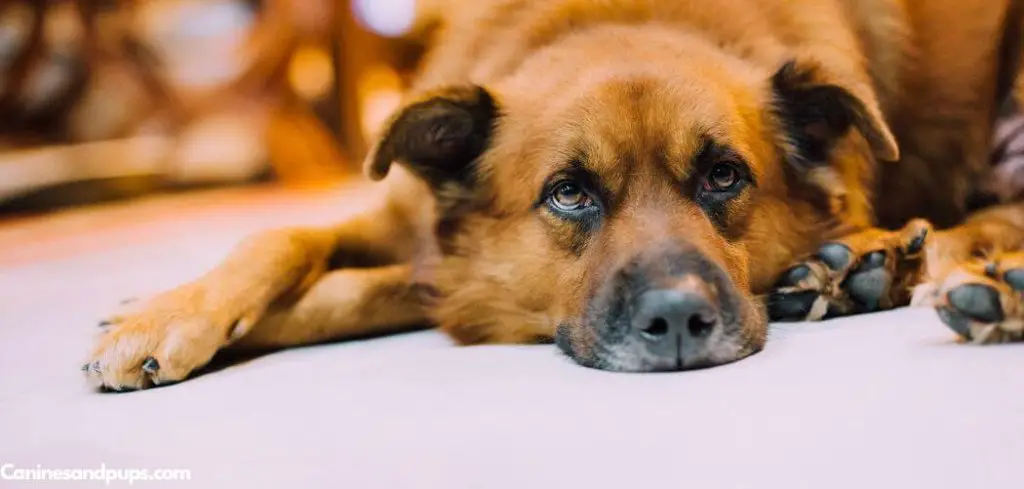
Old Dog Drinking Excessively: Common Causes
Kidney Disease
Kidney disease is one of the most common reasons an old dog starts drinking large amounts of water.
As the kidneys become damaged, they lose the ability to concentrate urine properly.
This means your dog urinates more frequently and in larger volumes, which quickly leads to dehydration.
To compensate, the body triggers intense thirst, causing your dog to drink far more than usual.
You may also notice weight loss, bad breath, nausea, or changes in appetite along with the increased drinking.
Because kidney disease is progressive, excessive thirst usually worsens over time without treatment.
Read more: Old Dog Not Eating (When to worry)
Diabetes Mellitus
Diabetes causes high levels of sugar to remain in the bloodstream instead of entering the cells where it should be used for energy.
This excess sugar spills into the urine and pulls large amounts of water with it.
As a result, your dog urinates excessively and becomes constantly thirsty.
An old dog drinking excessively due to diabetes may also be losing weight despite eating normally, seem weak, or develop cloudy eyes.
If left untreated, diabetes can quickly lead to serious complications, making increased drinking an important early warning sign.
Cushing’s Disease (Hyperadrenocorticism)
Cushing’s disease occurs when the body produces too much cortisol, a stress hormone that affects nearly every organ system.
High cortisol levels cause the kidneys to release more water and dilute the urine.
This forces your dog to drink more just to maintain hydration.
Dogs with Cushing’s disease often have increased appetite, a pot-bellied appearance, thin skin, and hair loss along with excessive thirst.
Because cortisol disrupts normal fluid balance, the drinking usually continues to increase as the disease progresses.
Urinary Tract Infections
Urinary tract infections are very common in older dogs and can cause frequent, painful urination.
When the bladder becomes inflamed, your dog feels the urge to urinate even when little urine is present.
This leads to repeated trips outside and loss of fluids.
To make up for this, your old dog may start drinking much more water.
You might also see accidents in the house, blood in the urine, or straining to pee.
Without treatment, the infection can spread to the kidneys and worsen the excessive thirst.
Liver Disease
The liver plays a major role in regulating fluids, blood chemistry, and toxin removal.
When liver function declines, toxins build up in the bloodstream and disrupt normal metabolism.
This can lead to increased thirst as the body tries to flush out harmful substances.
An old dog drinking excessively due to liver disease may also show vomiting, diarrhea, yellowing of the eyes or gums, or behavioral changes.
Liver problems often cause gradual but persistent increases in water consumption.
Medication Side Effects
Many senior dogs take medications for arthritis, allergies, or chronic disease.
Certain drugs, especially steroids and some pain medications, can dramatically increase thirst.
These medications cause the kidneys to release more water, which makes your dog feel dehydrated.
If your old dog started drinking excessively after beginning a new medication, the drug may be contributing to the problem.
Even though medication-related thirst can be expected, it should still be monitored closely in older dogs.
Read more: Old Dog Constant Diarrhea (Find out what it means)
Old Dog Drinking Excessively: What to Do
If your old dog is drinking more than usual, start by measuring how much water they consume in a day.
This helps you and your veterinarian understand how serious the change is.
Make sure your dog always has access to fresh, clean water, as restricting water can make dehydration and organ strain much worse.
Observe any other changes such as increased urination, accidents in the house, weight loss, or changes in appetite.
Try to keep their routine stable and avoid sudden diet changes while you are monitoring the situation.
If excessive drinking continues for more than a day or two, it is best to schedule a veterinary visit for proper testing.
When to seek veterinary care
If your old dog is drinking excessively and also urinating much more than usual, this should be evaluated promptly.
Sudden weight loss, vomiting, or loss of appetite along with increased thirst are strong warning signs.
If your dog seems weak, confused, or lethargic, excessive drinking may be tied to serious internal disease.
Blood in the urine, accidents in the house, or straining to pee can point to infections or kidney problems.
Any ongoing increase in water intake lasting more than a few days in a senior dog should always be checked by a veterinarian.
Read more: Old Dog Seizures (Causes, Signs and What To Do)
Key Takeaway
An old dog drinking excessively is never something to ignore, even if your dog seems otherwise happy.
In many cases, it is one of the earliest signs of kidney disease, diabetes, hormonal disorders, or infections.
The sooner the cause is identified, the better the chance of slowing disease progression and keeping your dog comfortable.
By watching your dog’s water intake and seeking veterinary care when changes appear, you give your senior companion the best possible chance at a healthier, more comfortable life.