
Losing an old dog suddenly is devastating, and seeing them with their tongue out can make the experience even more distressing and confusing.
Many dog owners worry that this detail means their dog suffered, but in most cases, it reflects natural physical changes that happen at the moment of passing.
Table of Contents
Old Dog Died Suddenly Tongue Out: Why It Happened
An old dog dying suddenly with their tongue out is most often linked to sudden heart failure, respiratory collapse, or neurological events, with the tongue position being a natural result of muscle relaxation after death.
When the body shuts down, muscles lose tension, including those that keep the tongue inside the mouth.
In senior dogs, underlying conditions like heart disease, internal bleeding, or advanced illness can lead to a rapid, unexpected passing, sometimes during rest or sleep.
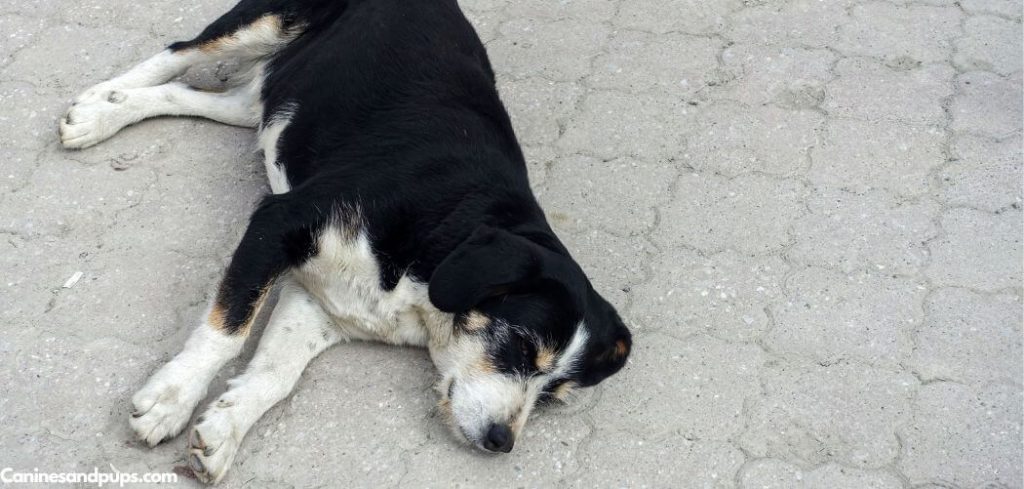
Is It Normal for a Dog’s Tongue To Stick Out After Dying?
Yes, it is normal for a dog’s tongue to stick out after dying. After death, the muscles in the body relax completely, including the jaw and tongue muscles.
This relaxation can cause the mouth to fall slightly open and the tongue to slip outward. In some cases, breathing distress or muscle weakness before death may also contribute to the tongue hanging out.
While this appearance can feel upsetting for owners, it is usually a natural physical change that happens after a dog passes away.
Signs an Old Dog May Be Near Death
In many cases, there may have been subtle warning signs, though they are often easy to overlook.
Increased fatigue or sleeping more than usual
Reduced appetite
Occasional heavy or irregular breathing
Brief episodes of weakness or wobbling
Less interest in normal activities
Mild coughing or restlessness
Read more: Old Dog Behavior Before Death (What to expect)
Possible Causes of Sudden Death in Senior Dogs
Sudden Heart Failure
Heart disease is one of the most common causes of sudden death in older dogs. Conditions like arrhythmias or advanced heart failure can lead to the heart stopping abruptly.
Because this happens quickly, dogs often do not show prolonged distress. The tongue may be visible simply because the muscles relax immediately after passing.
Respiratory Collapse
If a dog experiences a sudden inability to breathe—due to lung disease, airway obstruction, or fluid buildup—the body can quickly lose oxygen.
When breathing stops, muscle control is lost, and the tongue may fall out naturally. This can look alarming but does not necessarily indicate suffering.
Internal Bleeding
Certain conditions, such as ruptured tumors, can cause rapid internal bleeding. In older dogs, this can occur without obvious prior symptoms.
When this happens suddenly, the dog may collapse and pass quickly. The position of the tongue is a physical effect of the body relaxing.
Neurological Problems
Strokes or severe seizures can occur unexpectedly in senior dogs. These events may lead to immediate unconsciousness and passing.
During or after such events, muscle tone is lost, which can result in the tongue protruding.
Advanced Undiagnosed Illness
Some diseases progress quietly in older dogs and only become apparent at a critical stage. Cancer, organ failure, or severe infections can reach a tipping point suddenly.
In these cases, death may appear unexpected, even though the body has been declining internally for some time.
Can Dogs Die Suddenly Without Warning?
Yes, dogs can sometimes die suddenly without obvious warning signs, especially senior dogs with hidden health conditions.
Problems such as heart disease, internal bleeding, stroke, severe infection, cancer, or organ failure can progress quietly and lead to sudden collapse or death.
Some dogs may show subtle symptoms beforehand, including tiredness, panting, weakness, reduced appetite, or sleeping more, but these signs are easy to miss or may seem like normal aging.
Sudden death can happen even in dogs that appeared relatively normal earlier in the day.
Did My Dog Suffer Before Passing Away?
Not every dog suffers before passing away, and many senior dogs pass very quickly or quietly. Some dogs lose consciousness rapidly due to heart failure or other sudden medical events, which may limit awareness of pain.
Others may experience discomfort from underlying illness before death, especially if they were already weak or struggling to breathe.
Signs of distress before passing can include crying out, heavy panting, restlessness, or collapse.
However, a peaceful appearance during the final moments often suggests the dog was no longer fully aware or in prolonged suffering.
What To Do After Your Dog Dies at Home
If your old dog has died suddenly, the first step is to confirm that they have passed by checking for breathing or a heartbeat. This can be overwhelming, so take your time.
If you are unsure, contact your veterinarian immediately for guidance. They can help confirm the situation and advise you on what to do next.
Gently place your dog in a comfortable position if possible and keep them in a cool, quiet space while you make arrangements. You may choose to contact your vet or a pet aftercare service.
It’s also important to give yourself space to process what has happened. Sudden loss can be especially difficult because there was no time to prepare.
When To Contact a Veterinarian
You should contact your veterinarian even after your dog has passed. They can help confirm the cause of death based on medical history and provide guidance on aftercare options.
If you feel uncertain about what happened, your vet may discuss the option of a post-mortem examination, although this is entirely your choice.
If your dog had recent symptoms or was on medication, sharing this information can help provide clarity and reassurance.
Read more: Old Dog Died In Sleep (Understanding what happened)
Should I Feel Guilty After My Dog Died Suddenly?
Feeling guilty after a dog dies suddenly is very common, but unexpected death is often outside an owner’s control. Many health conditions in senior dogs develop silently, and dogs naturally hide pain or weakness well.
Owners frequently replay the final days, wondering if they missed signs or could have done more, but in many cases, there were no clear warnings.
What matters most is the love, care, comfort, and companionship you gave your dog throughout their life. Sudden loss can leave unanswered questions, but it does not mean you failed your dog.
Coping With the Shock of Sudden Pet Loss
The sudden loss of a dog can feel emotionally overwhelming because there is little time to prepare mentally or say goodbye.
Shock, sadness, numbness, guilt, and disbelief are all normal reactions after losing a beloved pet unexpectedly.
Many people find comfort in talking with supportive friends or family, creating a memorial, keeping photos, or remembering happy moments shared with their dog.
Grieving takes time, and healing often comes gradually as the initial shock begins to ease.
Key Takeaway
An old dog dying suddenly with their tongue out is usually the result of a rapid medical event combined with natural muscle relaxation after passing. While the appearance can be upsetting, it does not necessarily mean your dog suffered.
Sudden loss is incredibly hard, but understanding that many of these events happen quickly and without prolonged discomfort can offer some comfort.
Focus on the life you shared and the care you gave. Your dog’s final moments were likely peaceful, even if the circumstances feel shocking.


