
If your old dog is curled up more than usual—tucked tightly into a ball, sleeping more, or staying in that position for long periods—you might wonder if it’s normal or a sign of something wrong.
While curling up is a natural sleeping position, changes in frequency or behavior can sometimes indicate discomfort or underlying issues.
Table of Contents
Old Dog Curled Up: Why It Happens
When an old dog curls up, it is usually due to instinct, temperature regulation, or a need for comfort and security. However, if this behavior becomes excessive or is paired with other changes, it can also signal pain, illness, or anxiety. In senior dogs, even normal behaviors can take on new meaning depending on context.
This behavior happens because your dog is either seeking comfort, conserving heat, or responding to physical or emotional changes.
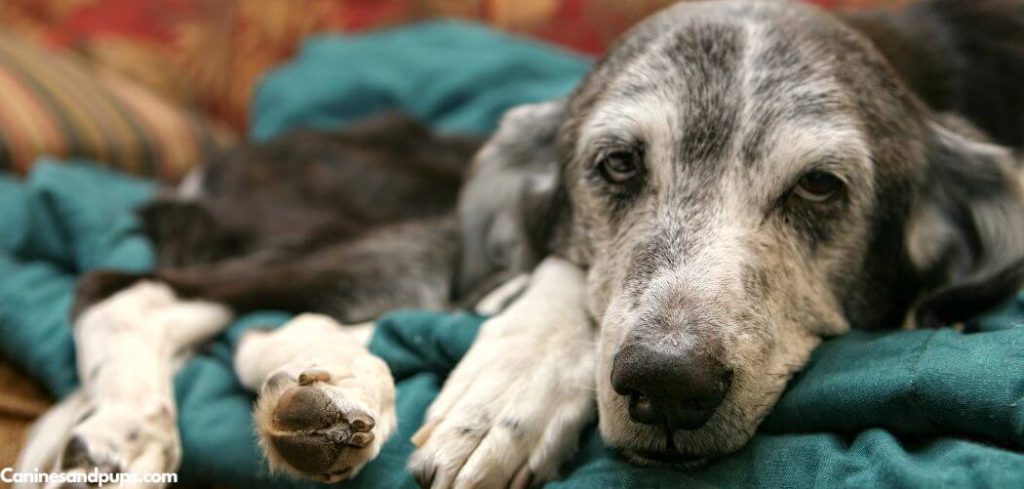
Old Dog Curled Up: Signs
If your old dog is curled up more than usual, you may notice:
Sleeping tightly curled into a ball
Tucking the head and tail close to the body
Spending more time resting or sleeping
Reluctance to stretch out
Reduced activity levels
Seeking warm or soft spots
Changes in appetite or behavior (in some cases)
Old Dog Curled Up: Common Causes
Normal Sleeping Position
Curling up is a completely natural and instinctive sleeping position for dogs. In the wild, this posture helps conserve body heat and protect vital organs.
Even in domestic settings, dogs may prefer this position because it feels secure and comfortable.
If your dog is otherwise active, eating well, and behaving normally, curling up is likely nothing to worry about.
Read more: Older Dog Cuddling (What it means)
Feeling Cold
Older dogs often become more sensitive to temperature changes. As metabolism slows and body fat or muscle mass decreases, dogs may have a harder time staying warm. Curling up helps trap body heat and maintain warmth.
You may notice this behavior more in cooler environments or during the night, especially if your dog seeks out blankets or warmer surfaces.
Read more: Old Dog Tail Between Legs (What it means)
Pain
Pain can cause your dog to curl up more tightly and more often. Conditions like arthritis, abdominal discomfort, or general soreness can make stretching out uncomfortable.
Curling up reduces strain on joints and muscles and can help your dog feel more secure.
If your dog seems reluctant to move, takes longer to get up, or avoids stretching, pain may be contributing to this behavior.
Anxiety or Need for Security
Older dogs can become more anxious and may seek comfort through body posture.
Curling up tightly can be a self-soothing behavior, especially in unfamiliar or stressful situations. Your dog may choose this position to feel protected and secure.
This is more likely if the behavior is paired with clinginess, restlessness, or sensitivity to changes in the environment.
Illness or Low Energy
If your dog is curled up and also less active than usual, it may indicate illness or fatigue.
Conditions that affect energy levels—such as infections, organ issues, or general decline—can cause your dog to rest more and stay curled up for longer periods.
In these cases, the behavior is often accompanied by other signs like reduced appetite, lethargy, or changes in behavior.
Old Dog Curled Up: What to Do
If your old dog is curled up, start by observing their overall behavior. If they are eating, moving, and interacting normally, it may simply be a preferred resting position.
Ensure your dog has a warm, comfortable sleeping area with soft bedding.
Monitor for signs of pain or stiffness, especially when your dog gets up or moves around.
Encourage gentle activity during the day to maintain mobility and energy levels. Provide reassurance if your dog seems anxious or seeks comfort more often.
When to Call or Visit Your Vet
If your old dog is curled up more than usual and showing other symptoms, it’s best to consult your veterinarian.
Signs such as lethargy, loss of appetite, or difficulty moving should be evaluated.
If your dog avoids stretching out or seems uncomfortable when changing positions, pain may be involved.
Sudden changes in behavior or energy levels should not be ignored. Persistent or worsening changes in resting behavior warrant a check-up.
Old Dog Curled Up: Treatment
Your veterinarian assesses your dog’s overall health, mobility, and comfort levels.
If pain is present, treatment may include medications or joint support.
If illness is suspected, diagnostic tests may be recommended. Behavioral or environmental adjustments may also be suggested if anxiety is a factor.
The goal is to ensure your dog is comfortable and identify any underlying issues early.
Key Takeaway
Curled up behavior in old dogs is often normal, but changes in frequency or context can signal something more.
Whether it’s warmth, comfort, pain, or illness, your dog is responding to how they feel.
By observing closely and acting when needed, you can help your dog stay comfortable, safe, and well cared for.


