
When an older dog suddenly becomes unusually clingy, follows you everywhere, and struggles to be alone, it can be both touching and worrying.
While some level of attachment is normal, sudden or extreme clinginess in senior dogs often signals that something deeper may be affecting their physical or emotional health.
Understanding your dog’s body language—including clingy behavior—can help you recognize what they’re experiencing and know when it’s time to seek veterinary care.
Old Dog Clingy: Why It Happens
An old dog becoming clingy is most often linked to age-related anxiety, cognitive decline, chronic pain, sensory loss, internal illness, or emotional insecurity caused by physical discomfort.
As dogs age, changes in their brain, body, and environment can make them feel confused, vulnerable, or unsafe.
Conditions such as arthritis, heart disease, kidney problems, hearing loss, and canine dementia can all increase dependence on owners.
Emotional stress, disrupted routines, and declining confidence may also contribute. In many cases, clinginess develops as a coping mechanism when a senior dog no longer feels stable or well.
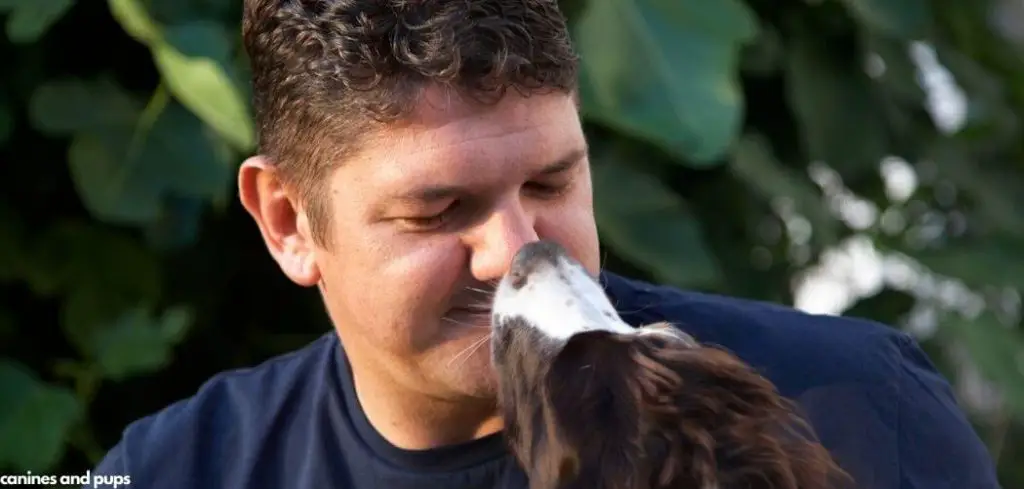
Old Dog Clingy: Common Causes
Canine Cognitive Dysfunction
Canine cognitive dysfunction (dog dementia) is one of the most common reasons older dogs suddenly become clingy.
As dogs age, changes occur in the brain that affect memory, awareness, and emotional regulation. These changes can cause confusion, disorientation, and anxiety, especially in familiar environments.
A dog with cognitive decline may forget where they are, struggle to recognize routines, or become startled easily. This mental confusion often leads them to seek constant reassurance from their owner.
Following you closely, whining when you leave the room, and becoming distressed when separated are typical signs.
Because cognitive dysfunction progresses gradually, many owners mistake clinginess for affection. In reality, the dog may feel lost and frightened, using physical closeness as emotional security.
Read more: Old Dog Not Sleeping at Night (What it could mean)
Chronic Pain and Arthritis
Chronic pain is another major cause of clingy behavior in senior dogs. Arthritis, joint degeneration, spinal disease, and muscle loss are extremely common with aging and can make even simple movements uncomfortable.
When a dog is in ongoing pain, they often seek comfort and protection from their trusted person.
Staying close may help them feel safer and less vulnerable. Some dogs also associate their owner with relief, especially if pain medication or gentle handling provides comfort.
Signs that pain may be contributing include stiffness, limping, reluctance to jump, slower movement, difficulty rising, and changes in posture.
Because dogs instinctively hide pain, clinginess may appear before obvious physical symptoms become noticeable.
Untreated pain not only affects mobility but also leads to emotional distress, increasing dependency.
Separation Anxiety in Senior Dogs
While separation anxiety is often associated with younger dogs, it can also develop later in life. Senior dogs may suddenly become anxious when left alone due to declining senses, health problems, or changes in routine.
Older dogs with separation anxiety may panic when owners leave, vocalize excessively, pace, drool, or refuse to settle. Even when the owner is home, they may stay extremely close, fearing abandonment.
Aging reduces resilience to stress. What once felt manageable may now feel overwhelming. Reduced hearing, vision loss, and cognitive changes can amplify fear when alone.
This type of anxiety can worsen over time if not addressed, leading to chronic emotional distress.
Vision and Hearing Loss
Sensory decline is a powerful trigger for clinginess in older dogs. As eyesight and hearing deteriorate, dogs rely more heavily on their remaining senses, particularly smell and touch.
A dog who cannot see or hear well may feel unsafe when separated from their owner. Staying close allows them to track your location, movements, and presence. Physical proximity becomes their main way of staying oriented.
You may notice bumping into furniture, startle responses, hesitancy in dim light, or reduced responsiveness to sounds. These signs often accompany increased attachment.
Loss of sensory input makes the world feel unpredictable, increasing emotional dependence.
Underlying Medical Conditions
Many internal illnesses can cause clingy behavior in senior dogs. Conditions affecting major organs often produce subtle discomfort, fatigue, and weakness that make dogs seek reassurance.
Kidney disease, liver disease, heart failure, diabetes, thyroid disorders, and cancer can all alter energy levels and emotional stability. These illnesses may cause nausea, dizziness, weakness, or internal pain that is not obvious externally.
A dog experiencing internal discomfort often stays close to their owner for comfort and protection. They may also appear more tired, sleep more, or lose interest in activities.
Because medical causes are not always visible, sudden clinginess should never be dismissed without evaluation.
Emotional Insecurity and Environmental Changes
Older dogs are particularly sensitive to changes in their environment. Moving homes, new pets, new family members, schedule changes, or loss of a companion animal can deeply affect emotional stability.
Senior dogs thrive on predictability. When routines change, they may feel unsettled and uncertain. Clinginess becomes a way to restore emotional balance.
Even subtle changes, such as furniture rearrangement, different walking schedules, or altered feeding times, can trigger insecurity in aging dogs.
This emotional fragility increases as cognitive and physical abilities decline.
Read more: Old dog circling and pacing (Signs to watch for)
Old Dog Clingy: What to Do
If your old dog has become unusually clingy, start by observing their overall behavior, mobility, appetite, sleep patterns, and bathroom habits. Keeping a simple daily log can help you identify subtle changes that may point to underlying health problems.
Make your dog’s environment as comfortable and predictable as possible. Provide soft bedding, easy access to food and water, and clear walking paths. Maintaining consistent routines for meals, walks, and bedtime can greatly reduce anxiety.
Offer gentle physical comfort through calm petting and reassurance, but avoid reinforcing anxious behavior by overreacting when your dog seeks attention. Respond calmly and confidently to help them feel secure.
Encourage low-impact activity appropriate for their age, such as short walks and gentle play. Physical movement supports joint health, mental stimulation, and emotional balance.
If pain is suspected, never give human medication. Speak to your veterinarian about safe pain management options, supplements, or mobility aids that can improve quality of life.
When to Call or Visit Your Veterinarian
If clinginess appears suddenly and intensely, especially in a previously independent dog, veterinary evaluation is strongly recommended. Rapid behavioral changes often signal medical or neurological problems.
Contact your veterinarian immediately if clinginess is accompanied by loss of appetite, vomiting, diarrhea, weight loss, difficulty walking, heavy breathing, coughing, or collapse. These signs suggest systemic illness.
Persistent nighttime anxiety, pacing, confusion, vocalizing, or house soiling may indicate cognitive dysfunction and should be addressed early.
If your dog shows signs of pain such as limping, trembling, reluctance to move, or sensitivity to touch, professional assessment is necessary to prevent worsening suffering.
Any combination of clinginess with seizures, fainting, severe weakness, or personality changes requires urgent care.
Related: Old dog with tail between the legs (What it means)
Key Takeaway
Clingy behavior in old dogs is rarely “just neediness.” It is often a sign of physical discomfort, emotional insecurity, cognitive decline, or internal illness.
While increased attachment can feel comforting, it usually reflects your dog’s attempt to cope with changes they do not fully understand.
By observing closely, maintaining stability, offering gentle support, and involving your veterinarian when needed, you can greatly improve your senior dog’s comfort and confidence. Early attention helps protect both their emotional wellbeing and long-term health.
Your presence remains their greatest source of safety. With patience and proper care, you can help your aging companion feel secure, loved, and supported through every stage of life.