
When an old dog can’t walk anymore—or suddenly refuses or struggles to move—it can be heartbreaking and alarming.
Some movement decline is expected with age, but a complete or near-complete loss of walking ability is usually a sign of a serious issue that needs immediate attention.
Old Dog Can’t Walk Anymore: Why It Happens
When an old dog can’t walk anymore, it is usually due to severe pain, neurological problems, muscle weakness, or joint failure that prevents normal movement.
Walking requires coordination between the brain, nerves, muscles, and joints, and when one or more of these systems fail, mobility can be significantly affected or lost entirely.
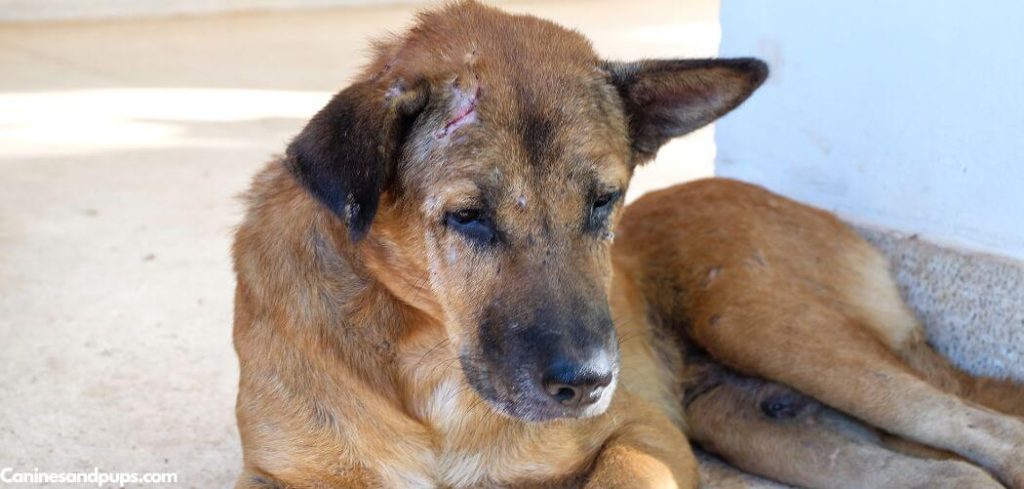
Old Dog Can’t Walk Anymore: Symptoms
If your old dog can’t walk anymore, you may notice:
Inability to stand or walk without assistance
Dragging legs or inability to move limbs
Collapsing when trying to stand
Severe weakness in the back legs
Crying or signs of pain when moving
Loss of balance or coordination
Reluctance to move at all
Changes in appetite or behavior
Old Dog Can’t Walk Anymore: Common Causes
Advanced Arthritis
One of the most common reasons an old dog can no longer walk is severe arthritis.
Over time, joint cartilage wears down, leading to inflammation, stiffness, and pain. In advanced stages, even basic movements like standing or walking become extremely difficult or painful.
Dogs may gradually become less active until they reach a point where movement is too uncomfortable. At this stage, they may refuse to walk or be physically unable to support their weight.
Related: Old dog front legs collapsing (Why it happens)
Degenerative Neurological Conditions
Neurological diseases can significantly affect a dog’s ability to walk.
Conditions that affect the spinal cord or nerves can disrupt communication between the brain and limbs. This can lead to weakness, loss of coordination, and eventually paralysis.
In many cases, this starts with subtle signs like wobbling or dragging feet and progresses to complete loss of mobility. These conditions are often progressive and require careful management.
Related: Old Dog Neurological Problems (Signs to watch out for)
Muscle Loss and Severe Weakness
Aging naturally leads to muscle loss, but in some dogs, this becomes severe enough to impact mobility.
When muscle mass declines significantly, especially in the hind legs, your dog may no longer have the strength to stand or walk.
This can be worsened by inactivity, illness, or poor nutrition. Over time, the body may not be able to support even basic movement.
Injury
A sudden inability to walk can sometimes be caused by injury. Falls, slips, or strain can result in damage to joints, muscles, or the spine.
In older dogs, even minor trauma can have a major impact due to reduced resilience.
If your dog was previously mobile and suddenly cannot walk, injury should be considered and evaluated immediately.
Illness
Serious health conditions can lead to overall weakness and inability to walk. Diseases affecting organs such as the kidneys, heart, or endocrine system can reduce energy levels and muscle function.
When the body is compromised, even basic activities like walking may become too difficult.
These cases are often accompanied by other symptoms such as lethargy, loss of appetite, or changes in behavior.
Old Dog Can’t Walk Anymore: What to Do
If your old dog can’t walk anymore, focus on keeping them comfortable and safe. Provide soft bedding and reposition them regularly to prevent sores.
Assist your dog gently when needed using a support harness or towel under the body to help with movement.
Ensure food and water are easily accessible without requiring movement.
Keep your dog clean and dry, especially if they are unable to move to relieve themselves.
Contact your veterinarian as soon as possible to determine the cause and appropriate care.
When to Call or Visit Your Vet
If your old dog can’t walk anymore, this is an urgent situation. Sudden loss of mobility requires immediate veterinary attention.
Signs of pain, crying, or distress should be addressed right away.
If your dog is not eating, drinking, or seems very weak, this may indicate a serious condition.
Loss of bladder or bowel control, or signs of neurological dysfunction, are also urgent. Do not wait—early intervention can make a significant difference.
Old Dog Can’t Walk Anymore: Treatment
The veterinarian may perform a full physical and neurological examination.
Diagnostic tests such as X-rays, blood work, or imaging may be required to identify the cause.
Treatment may include pain management, anti-inflammatory medications, or supportive therapies.
In some cases, physical therapy or mobility aids may help improve function.
The goal is to relieve discomfort, address the underlying issue, and improve quality of life.
Key Takeaway
An old dog that can’t walk anymore is a serious sign that something significant is affecting your dog’s health.
Whether due to pain, neurological issues, or illness, this condition requires prompt attention.
With the right care and support, some dogs can regain mobility or remain comfortable, but early action is essential to give your dog the best possible outcome.