
Bringing a new puppy home is exciting—but it can quickly become stressful if your old dog starts biting the newcomer. While this behavior can look aggressive, it’s often a form of communication, boundary-setting, or stress rather than true intent to harm.
Old Dog Biting New Puppy: Why It Happens
When an old dog bites a new puppy, it is usually a response to stress, discomfort, or the need to set boundaries rather than pure aggression. It happens because the older dog is trying to communicate limits, cope with discomfort, or respond to a sudden change in their environment.
Older dogs often have less patience and energy, and a playful, energetic puppy can feel overwhelming. What looks like “biting” is often a warning or correction—but it can escalate if the underlying cause isn’t addressed.
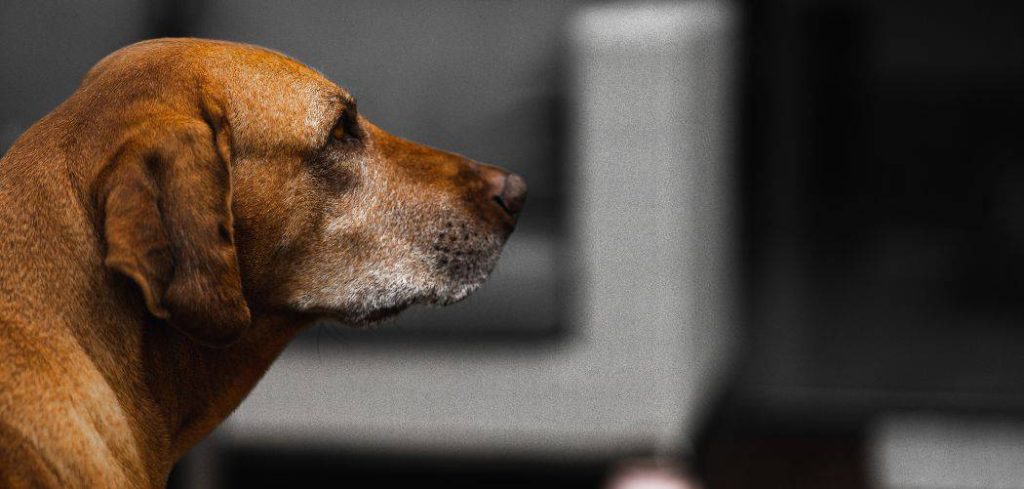
Old Dog Biting New Puppy: Symptoms
If your old dog is reacting negatively to a new puppy, you may notice:
Growling or snapping at the puppy
Biting or nipping when approached
Avoiding the puppy or moving away
Stiff body posture or raised hackles
Guarding food, toys, or resting areas
Increased irritability or restlessness
Barking or warning vocalizations
Changes in appetite or behavior
Old Dog Biting New Puppy: Common Causes
Boundary-Setting Behavior
One of the most common reasons an old dog bites a new puppy is to establish boundaries.
Puppies are naturally energetic, curious, and often lack social manners. They may jump, bite, or invade the older dog’s personal space without understanding limits.
In response, the older dog may growl, snap, or give a quick corrective bite to say “that’s enough.”
This type of behavior is a normal part of canine communication. The bite is usually controlled and meant as a warning rather than to cause injury. However, if the puppy continues to ignore these signals, the older dog may escalate their response.
Read more: Old Dog Jealous Of New Puppy (What it really means)
Pain or Physical Discomfort
Older dogs are more likely to experience pain from conditions like arthritis or joint stiffness, which can make them less tolerant of physical interaction.
When a puppy jumps on, bumps into, or tries to play roughly with a dog in pain, it can trigger a defensive reaction.
The bite in this case is not about dominance—it’s about protecting themselves from discomfort.
Because puppies tend to be persistent, this situation can repeat frequently if not managed, leading to increased tension between the two dogs.
Stress and Overstimulation
Introducing a new puppy is a big change, and older dogs often struggle with sudden disruptions to their routine.
The constant movement, noise, and attention surrounding the puppy can be overwhelming. This stress can build over time, lowering the older dog’s tolerance and increasing the likelihood of reactive behaviors like biting.
Even a normally calm dog may become irritable if they don’t have enough quiet time or space to decompress.
Resource Guarding
Older dogs may feel the need to protect resources such as food, toys, or sleeping areas.
A new puppy may unknowingly approach these items, triggering a guarding response. The older dog may growl, snap, or bite to protect what they see as theirs.
This behavior can intensify if the older dog feels their resources or status in the household are threatened.
Lack of Socialization or Patience
Some older dogs simply have less tolerance for puppy behavior, especially if they were not regularly exposed to other dogs earlier in life.
A puppy’s playful biting, jumping, and persistence can be frustrating for a senior dog that prefers calm interactions. Without patience or interest in play, the older dog may resort to biting as a way to stop the behavior quickly.
Old Dog Biting New Puppy: What to Do
If your old dog is biting a new puppy, supervision is essential. Never leave them alone together until you are confident their interactions are safe.
Give your older dog their own space where they can rest without being disturbed. This helps reduce stress and prevents unwanted interactions.
Redirect the puppy when they become too energetic or intrusive. Teaching the puppy appropriate behavior is just as important as managing the older dog.
Reward calm, positive interactions between both dogs. This helps build a more peaceful relationship over time.
Keep routines consistent for your older dog. Maintaining their normal schedule can reduce stress and help them adjust more comfortably.
When to Call or Visit Your Vet
If the biting is frequent, intense, or causing injury, it’s important to seek professional help.
Sudden aggression in an older dog may indicate pain or an underlying medical issue that needs evaluation.
If your dog shows signs of stress, anxiety, or major behavioral changes, a vet or behavior specialist can help identify the cause.
Escalating aggression or inability to safely manage interactions should not be ignored.
Getting support early can prevent the situation from worsening and protect both dogs.
Old Dog Biting New Puppy: Treatment
Your veterinarian assesses a dog’s physical health to rule out pain or medical causes contributing to the behavior.
If pain is identified, treatment such as medication or joint support can improve tolerance and reduce reactive responses.
Behavioral guidance may be recommended, including structured introductions and management strategies.
In some cases, calming aids or supplements may help reduce stress during the adjustment period.
The goal is to address both the physical and emotional factors influencing your dog’s behavior.
Key Takeaway
An old dog biting a new puppy is often a form of communication, not outright aggression—but it still needs careful management.
Your older dog may be setting boundaries, reacting to discomfort, or feeling overwhelmed by change.
With supervision, patience, and the right support, most dogs can learn to coexist peacefully, creating a safer and more balanced environment for both your senior dog and your new puppy.