
When an old dog starts acting differently at night—pacing, whining, barking, or seeming confused—it can be unsettling.
Nighttime behavior changes in senior dogs are common, but they’re rarely random and often point to underlying physical or cognitive shifts.
Old Dog Behavior Changes at Night: Why It Happens
When an old dog shows behavior changes at night, it is usually due to cognitive decline, anxiety, discomfort, or disruptions in their natural sleep-wake cycle. This behavior happens because aging affects both the brain and body, making nighttime a more challenging and confusing period.
As dogs age, their ability to regulate sleep, process their environment, and stay comfortable through the night can decline. The quiet and darkness often make these issues more noticeable.
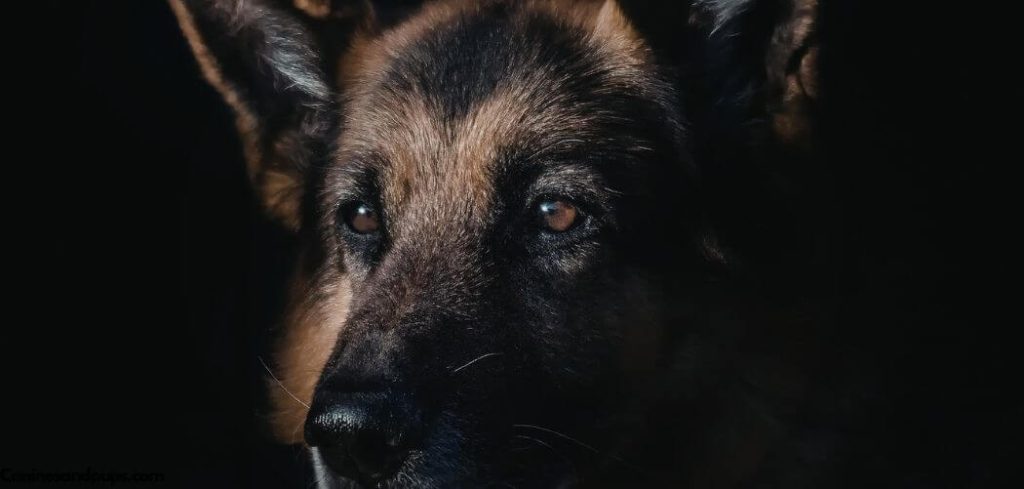
Old Dog Behavior Changes at Night: Symptoms
If your old dog is behaving differently at night, you may notice:
Pacing or wandering
Barking, whining, or vocalizing
Restlessness or inability to settle
Seeming confused or disoriented
Staring at walls or corners
Increased clinginess
Nighttime accidents
Sleeping more during the day
Old Dog Behavior Changes at Night: Common Causes
Cognitive Dysfunction
One of the most common reasons for nighttime behavior changes in older dogs is cognitive dysfunction.
As the brain ages, it undergoes changes that affect memory, awareness, and perception. Dogs may lose track of routines and become confused about their surroundings, especially in low-light conditions.
This confusion often becomes more pronounced at night, leading to pacing, barking, or wandering.
A phenomenon known as “sundowning” can occur, where symptoms worsen in the evening.
Your dog may seem restless, unable to settle, or unaware of familiar environments. This is not deliberate behavior—it reflects changes in brain function that disrupt normal patterns.
Read more: Old Dog Syndrome (Signs, causes and treatment)
Anxiety and Nighttime Insecurity
Older dogs often feel more vulnerable at night, particularly if their hearing or vision has declined.
In the dark and quiet, familiar spaces can feel unfamiliar or even threatening. Small sounds may seem amplified or harder to interpret, and shadows may appear unusual. This can trigger anxiety-driven behaviors such as pacing, barking, or seeking constant reassurance.
Dogs that were once independent may suddenly want to stay close to you or may become distressed when left alone at night.
Pain
Pain is a major contributor to nighttime behavior changes and is often overlooked.
Conditions like arthritis, joint stiffness, or internal discomfort can make it difficult for your dog to lie down comfortably or stay in one position for long. As a result, your dog may get up frequently, pace, or vocalize.
Pain often feels more noticeable at night due to the lack of distractions, making your dog more aware of discomfort. This can lead to repeated disruptions in sleep and changes in nighttime behavior.
Disrupted Sleep-Wake Cycle
Aging can naturally affect your dog’s internal clock, leading to changes in sleep patterns.
Older dogs may sleep more during the day and become more awake at night. This reversal of the sleep-wake cycle can lead to restlessness, pacing, and vocalization during nighttime hours.
Reduced activity during the day can also contribute, as your dog may not be tired enough to sleep through the night.
Read more: Old Dog Barking All Night (Why your dog won’t sleep)
Need to Eliminate
Increased need to urinate or decreased bladder control is common in senior dogs and can disrupt nighttime behavior.
Your dog may wake up needing to go outside and become restless or vocal if they cannot hold it. In some cases, accidents may occur if the need is urgent.
This physical need can appear as behavioral change, but it is often simply your dog trying to communicate discomfort or urgency.
Read more: Old Dog Pooping and Peeing in the House at Night (Here’s why)
Old Dog Behavior Changes at Night: What to Do
If your old dog is showing behavior changes at night, start by creating a consistent daily and bedtime routine. Predictability helps reduce confusion and anxiety.
Encourage more activity during the day through gentle exercise and interaction. This helps regulate your dog’s sleep cycle and promotes better rest at night.
Provide a comfortable, supportive sleeping area, especially if your dog has joint pain. Orthopedic bedding can make a noticeable difference.
Use soft lighting at night to help dogs with vision loss navigate more easily and feel secure.
Make sure your dog has a chance to go outside right before bedtime to reduce nighttime disruptions.
When to Call or Visit Your Vet
If your old dog’s nighttime behavior changes are new or worsening, it’s important to seek veterinary advice.
Signs of confusion, disorientation, or pacing may indicate cognitive dysfunction.
If your dog shows signs of pain, such as stiffness or reluctance to lie down, they may need treatment.
Frequent nighttime urination, increased thirst, or accidents should be evaluated.
Sudden or severe changes in behavior should never be ignored, as they may signal underlying medical conditions.
Old Dog Behavior Changes at Night: Treatment
The veterinarian evaluates a dog’s neurological health, physical condition, and overall well-being.
If cognitive dysfunction is diagnosed, medications or supplements may help improve brain function and regulate sleep patterns.
Pain management can significantly improve comfort and reduce nighttime restlessness.
If urinary or medical conditions are present, appropriate tests and treatments will be recommended.
Behavioral and environmental adjustments may also be part of the treatment plan to support better nighttime habits.
Key Takeaway
Old dog behavior changes at night are usually a sign that something has shifted in your dog’s health, comfort, or awareness.
Whether it’s cognitive decline, anxiety, pain, or physical needs, your dog is trying to communicate that something isn’t right.
With careful observation, supportive care, and veterinary guidance, you can help your dog feel more comfortable and restore more peaceful nights.