
Hearing that your dog has cancer can feel devastating, especially when they still seem happy, active, and completely normal.
Many owners struggle to understand how a dog can have cancer while still eating, playing, and behaving like themselves.
The truth is that some cancers develop slowly and may not cause obvious symptoms right away.
Table of Contents
My Dog Has Cancer but Seems Fine: Here's Why
A dog with cancer may still seem fine because many cancers develop gradually and do not immediately affect daily function or comfort.
Some tumors remain small or localized for a long time before causing pain, weakness, breathing problems, appetite loss, or visible illness. Dogs are also very good at hiding discomfort, which means they may continue acting normal even while the disease progresses internally.
The type of cancer, location of the tumor, stage of disease, and overall health of the dog all affect how noticeable symptoms become.
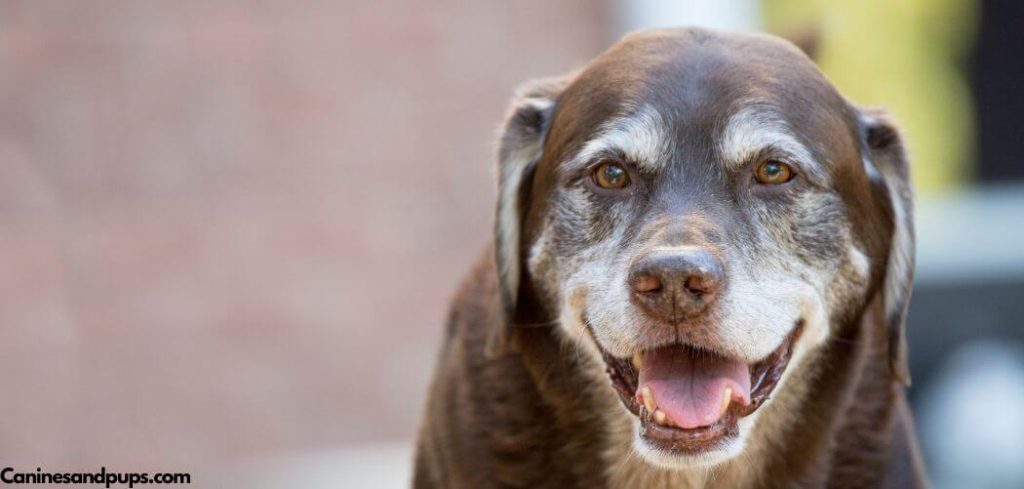
Reasons a Dog With Cancer May Still Seem Normal
Early-Stage Cancer
Many dogs appear completely healthy during the early stages of cancer.
Small tumors or slow-growing cancers may not interfere with organ function or cause pain initially. Some cancers are discovered accidentally during routine exams, bloodwork, dental procedures, or imaging for unrelated problems.
At this stage, dogs often continue eating, playing, and behaving normally because the disease has not progressed enough to cause visible symptoms.
Early detection sometimes provides more treatment options and a better long-term outlook.
Read more: Dog with Cancer not Eating and Vomiting (Causes explained)
Slow-Growing Tumors
Certain cancers progress slowly over months or even years.
Some skin tumors, low-grade mast cell tumors, or benign-looking masses may remain stable for long periods before causing problems. Dogs with slow-growing cancers often maintain good energy levels and quality of life for quite some time.
Owners may notice only a lump or subtle change without any major illness signs.
Not all cancers behave aggressively, which is why prognosis varies greatly between dogs.
Read more: Dog Cancer and Panting (Why it happens)
Dogs Naturally Hide Pain
Dogs instinctively hide weakness and discomfort, which can make cancer difficult to recognize early.
Even dogs with significant illness may continue wagging their tails, eating treats, or greeting family members enthusiastically. This survival instinct can sometimes make dogs appear healthier than they truly are.
Subtle signs such as sleeping more, slowing down slightly, or avoiding certain movements are sometimes the first clues owners notice.
Because dogs mask pain so well, regular veterinary monitoring becomes especially important.
Related: Dog Cancer and Panting (Why it happens)
The Tumor Location Matters
The location of the cancer strongly affects symptoms. Tumors on the skin may not cause major problems right away, while cancers affecting the lungs, liver, brain, or digestive system often create symptoms earlier because they interfere with vital body functions.
A dog with a small skin tumor may seem perfectly normal, while a dog with advanced lung cancer may quickly develop coughing and breathing difficulty.
Internal cancers sometimes remain hidden until they become advanced enough to affect organ function.
Good Overall Health
Dogs that are otherwise healthy may continue functioning well despite cancer.
Strong appetite, good mobility, healthy weight, and lack of secondary illness can help dogs maintain a good quality of life even after diagnosis.
Some dogs respond very well to treatment and continue enjoying normal activities for long periods.
Supportive care, pain management, and close monitoring often help preserve comfort significantly.
Signs Cancer May Be Progressing
Even if your dog currently seems fine, monitoring for subtle changes is important.
Signs that cancer may be advancing can include:
Reduced appetite
Weight loss
Increased sleeping
Weakness or lethargy
Difficulty breathing
Coughing
Vomiting or diarrhea
Swelling or rapidly growing masses
Limping
Behavioral changes
Restlessness or pain
Pale gums
Collapse
Some dogs decline gradually, while others worsen more suddenly depending on the type of cancer involved.
What to Do If Your Dog Has Cancer but Seems Fine
If your dog has cancer but still appears comfortable and happy, focus on maintaining quality of life and monitoring for changes closely.
Continue regular veterinary visits and follow recommended monitoring plans, including imaging, bloodwork, or tumor measurements if advised.
Maintain a balanced diet and encourage gentle activity appropriate for your dog’s energy level and condition.
Avoid assuming your dog is suffering simply because of the diagnosis alone. Many dogs with cancer continue enjoying life for extended periods with good symptom management.
Keeping a journal of appetite, energy level, mobility, breathing, and behavior may help you notice subtle progression earlier.
Most importantly, spend meaningful time with your dog and focus on comfort, routine, and emotional wellbeing.
When to Call or Visit Your Vet
You should contact your veterinarian if your dog develops pain, breathing difficulty, weakness, appetite loss, vomiting, diarrhea, or sudden behavioral changes.
Rapid tumor growth, bleeding masses, collapse, pale gums, or difficulty walking should also be evaluated promptly.
Dogs with seizures, abdominal swelling, severe lethargy, or inability to rest comfortably may need urgent care.
Even dogs that seem fine should continue regular rechecks because cancer can sometimes progress silently before obvious symptoms appear.
Quality of Life Considerations
One of the most important parts of cancer care is monitoring quality of life rather than focusing only on lifespan.
Dogs generally care more about comfort, appetite, mobility, family interaction, and freedom from pain than the diagnosis itself. Many dogs continue enjoying life long after diagnosis when symptoms are controlled well.
Veterinarians often evaluate quality of life based on factors such as:
Ability to eat and drink
Comfort level
Interest in family interaction
Ability to move comfortably
Breathing quality
Enjoyment of favorite activities
Good days versus bad days
These factors often help guide treatment and end-of-life decisions more clearly than the diagnosis alone.
Related: Old dog behavior before death (What to expect)
Key Takeaway
A dog with cancer may still seem fine because many cancers develop slowly, remain localized, or do not immediately interfere with daily life. Dogs are also very skilled at hiding discomfort, especially in the early stages of illness.
Close monitoring, regular veterinary care, and focusing on quality of life can help many dogs remain comfortable and happy for extended periods after diagnosis.


