
When a dog becomes very sleepy after a vaccine, it can feel alarming, especially if they are usually active and alert.
Many dogs will sleep more after vaccination, but deep fatigue or hard-to-wake drowsiness can make owners worry something is wrong.
We outline the common causes of extreme sleepiness in dogs after vaccination, what you can do at home, and when to contact your veterinarian.
Table of Contents
Dog Very Sleepy After Vaccine
A dog becomes very sleepy after a vaccine because their immune system is rapidly activating and releasing inflammatory chemicals that cause fatigue, fever, and muscle relaxation.
This immune response diverts energy away from normal activity and toward building antibodies, making your dog feel drained and sluggish.
Some dogs also experience mild fever, low blood sugar, or discomfort from injection-site inflammation, which further increases sleepiness.
When multiple vaccines are given at once or when a dog is small, elderly, or sensitive, this immune reaction can be stronger and the drowsiness more noticeable.
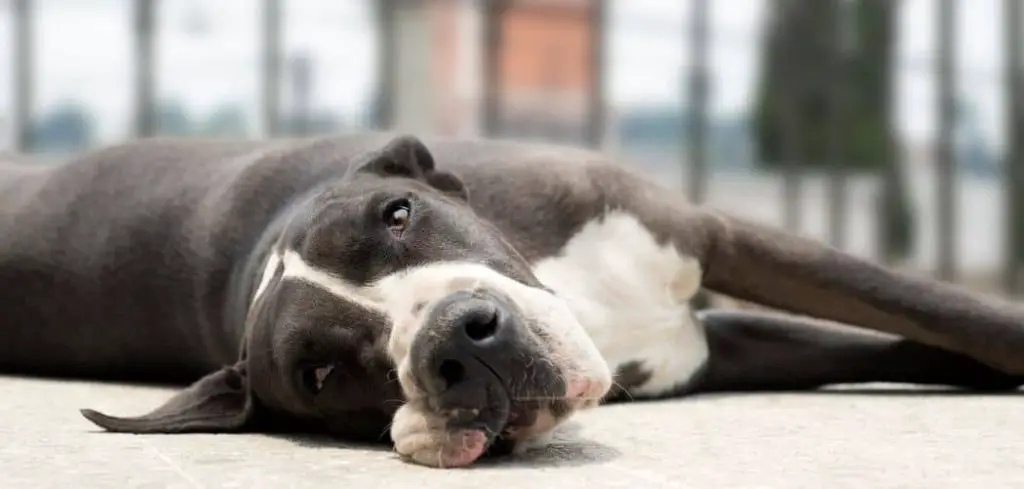
Dog Very Sleepy After Vaccine: Common Causes
Immune System Activation Fatigue
The most common reason a dog becomes very sleepy after vaccination is immune activation.
Vaccines stimulate white blood cells to recognize and fight future infections, and that process releases cytokines that cause fever, body aches, and exhaustion. These same chemicals make dogs feel heavy, slow, and uninterested in activity.
You may notice your dog sleeping more than usual, moving slowly when they wake, and not wanting to play or go for walks.
This is similar to how people feel after getting a flu shot. As long as the fatigue improves within one to two days, this is a normal and healthy immune response.
Related: Dog lethargic after vaccine (Is it normal?)
Mild Post-Vaccine Fever
Many dogs develop a low-grade fever after vaccination. Fever is part of how the immune system works, but it also makes dogs feel weak, tired, and uncomfortable. When body temperature rises, dogs naturally become less active to conserve energy and regulate heat.
A dog with a mild fever may seek cool surfaces, pant lightly, or seem unusually sleepy. Appetite may also decrease.
While mild fever typically resolves on its own within 24 to 48 hours, persistent or high fever requires veterinary care.
Injection-Site Pain and Muscle Soreness
Vaccines are injected into muscle, and that muscle can become sore and inflamed. Pain and stiffness make dogs less willing to move, which often appears as excessive sleeping or lethargy.
Even if the dog is mentally alert, physical discomfort can make them choose rest instead of activity.
You might see limping, flinching when touched, or reluctance to stand up. This soreness can cause your dog to sleep more simply because moving hurts. Improvement should occur over the next day or two as inflammation fades.
Dehydration or Reduced Fluid Intake
Some dogs drink less after vaccination because they feel nauseous or tired. Mild dehydration can make fatigue much worse by thickening blood and reducing oxygen delivery to tissues. This creates a heavy, sluggish feeling that increases sleepiness.
A sleepy dog may not get up to drink, which worsens the problem. Dry gums, darker urine, or fewer bathroom trips can indicate dehydration. This makes post-vaccine fatigue more pronounced and slower to resolve.
Blood Sugar Fluctuations in Small or Young Dogs
Small dogs and puppies are more prone to drops in blood sugar when they do not eat well after vaccination.
Low blood sugar causes weakness, sleepiness, trembling, and even collapse. The immune response combined with reduced appetite can trigger this reaction.
These dogs may seem unusually drowsy, wobbly, or confused. This type of lethargy can become dangerous quickly if not addressed, especially in toy breeds.
Allergic or Systemic Vaccine Reaction
In rare cases, sleepiness is part of a more serious vaccine reaction. Allergic or inflammatory responses can cause weakness, low blood pressure, and collapse. These dogs may appear extremely tired, difficult to wake, or unresponsive.
This type of sleepiness is not normal and is usually accompanied by vomiting, facial swelling, pale gums, or trouble breathing. Immediate veterinary care is required.
Related: Dog sleeping all day and not eating (Should you worry?)
What to Do If Your Dog Is Very Sleepy After a Vaccine
Allow your dog to rest in a quiet, comfortable place where they feel safe. Avoid exercise, excitement, or stimulation for at least 24 hours after vaccination. Their body is working hard internally, and rest supports immune recovery.
Make sure your dog stays hydrated. Offer fresh water frequently, and if they are reluctant to drink, try adding a splash of low-sodium broth or offering ice cubes. Hydration helps regulate temperature and reduce fatigue.
Encourage light food intake if appetite is reduced. Small portions of bland food can help stabilize blood sugar, especially in small dogs. Do not force feed, but offer food several times throughout the day.
Monitor your dog closely. They should gradually become more alert within 24 to 48 hours. If they wake up, respond to you, and show small improvements, that is reassuring.
Do not give human medications unless directed by a veterinarian. Some drugs can worsen lethargy or cause dangerous side effects.
When to Call or Visit Your Vet
Contact your veterinarian if your dog remains extremely sleepy for more than 48 hours or becomes harder to wake. Ongoing lethargy means the immune response may be too strong or another problem is developing.
Seek immediate veterinary care if sleepiness is accompanied by vomiting, diarrhea, facial swelling, difficulty breathing, collapse, pale gums, or weakness. These are signs of a serious vaccine reaction.
You should also call the vet if your dog refuses all food and water for more than 24 hours or if a puppy or small dog becomes shaky, wobbly, or disoriented.
Any sudden worsening of fatigue instead of improvement should be evaluated right away.
Read more: Dog side effects after vaccines (Possible reactions explained)
Key Takeaway
Most dogs become very sleepy after a vaccine because their immune system is doing its job and building protection. Rest, hydration, and quiet care usually allow them to recover quickly.
If your dog’s sleepiness is severe, long-lasting, or paired with other worrying signs, your veterinarian can determine whether it is a normal reaction or something that needs treatment.