
A dog that suddenly cannot put weight on a back leg is always alarming. Rear-leg weakness or refusal to walk often means pain or a nerve problem that needs attention, even if your dog seemed fine just hours earlier.
In this guide, we explain the reasons why your dog may suddenly not walk on their back leg, what you can do and when to seek veterinary care.
Dog Suddenly Not Walking On Back Leg
A dog suddenly not walking on a back leg is usually reacting to acute pain, joint injury, nerve compression, or internal inflammation that makes weight-bearing feel unsafe or impossible.
The back legs do most of the pushing and stabilizing, so even a small injury can stop normal movement.
Problems such as ligament tears, disc disease, hip pain, or nerve irritation can appear suddenly and cause a dog to hold the leg up or collapse when trying to walk.
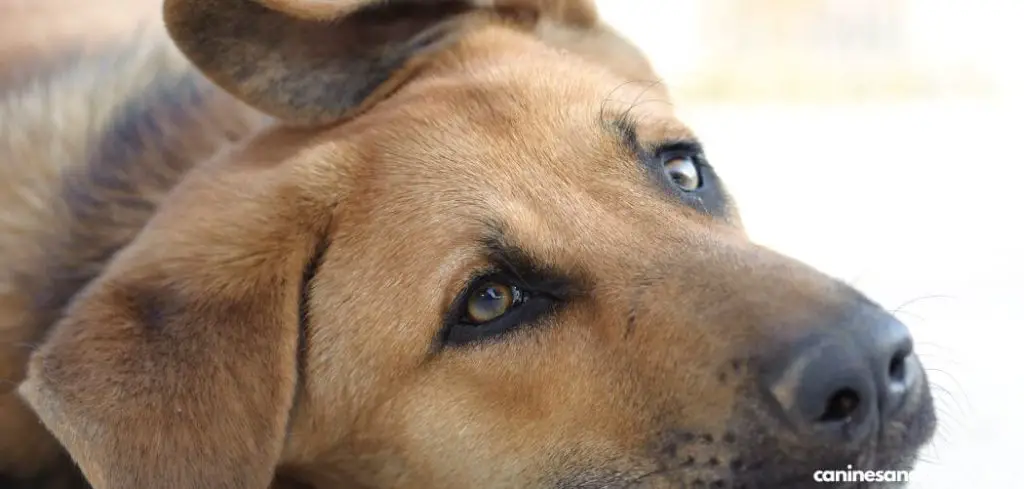
Dog Suddenly Not Walking On Back Leg: Common Causes
Cruciate Ligament Tear
The cruciate ligament in the knee stabilizes the joint when a dog walks or runs. When this ligament tears or ruptures, the knee becomes unstable and extremely painful.
Many dogs injure this ligament while jumping, running, or turning suddenly. The pain is often immediate, causing the dog to lift the leg and refuse to bear weight.
You may notice swelling around the knee, limping that came on quickly, or a popping sound at the time of injury. This is one of the most common reasons a dog suddenly not walking on a back leg happens, and it usually requires veterinary treatment.
Related: Dog Suddenly Limping Front Leg (Here’s Why sudden)
Intervertebral Disc Disease
The spine contains discs that cushion the bones. When one of these discs bulges or ruptures, it can press on nerves that control the back legs.
This pressure disrupts communication between the brain and the limbs, causing weakness, wobbling, or paralysis in one or both rear legs.
You may notice dragging of the paws, a hunched back, crying when picked up, or sudden inability to stand. Disc problems are a serious cause of a dog suddenly not walking on a back leg and can worsen quickly without treatment.
Hip Dysplasia or Hip Injury
The hip joint supports much of a dog’s body weight. When the joint becomes inflamed, loose, or injured, movement becomes painful and unstable.
Dogs with hip dysplasia or a traumatic hip injury may suddenly refuse to use one leg, especially after exercise or play.
You may see difficulty rising, bunny-hopping when running, or crying when the hips are touched. Because the hips control rear-leg strength, this condition often explains why a dog suddenly not walking on a back leg appears out of nowhere.
Arthritis Flare-Up
Arthritis causes chronic inflammation in the joints, but flare-ups can happen suddenly, especially in cold weather or after activity.
When a flare occurs, the joint becomes stiff, swollen, and painful, making it difficult for the dog to step down on the leg.
You may notice stiffness after resting, reluctance to climb stairs, or improvement after gentle movement. Arthritis is a very common reason older dogs suddenly not walking on a back leg.
Nerve Damage or Pinched Nerve
Nerves carry signals from the brain to the muscles. When a nerve is pinched, inflamed, or damaged, the muscles cannot respond properly.
This can lead to weakness, dragging, or a complete inability to use the leg.
You may see knuckling of the paw, lack of pain response, or muscle trembling. Nerve issues are dangerous because they can progress quickly and permanently affect mobility.
Injury or Trauma
Even minor injuries like muscle strains, sprains, or bruises can cause intense pain that stops a dog from walking.
A slip, fall, rough play, or jump from furniture can injure ligaments, tendons, or bones without being obvious at first.
Swelling, heat, or tenderness in the leg may appear. Trauma is always a concern when a dog suddenly not walking on a back leg occurs after activity.
Related: Dog back legs collapsing Suddenly (Causes explained)
Dog Suddenly Not Walking On Back Leg: What to Do
When your dog is suddenly not walking on their back leg, restrict movement to prevent further injury and keep them on a soft surface.
Avoid forcing your dog to walk, jump, or climb stairs. Use a towel or harness to help support their weight if they must move.
Apply a cold pack for short periods if swelling is present. Monitor closely for worsening pain, dragging, or loss of bladder control.
When to seek veterinary care
If your dog refuses to put any weight on the leg, seek veterinary care immediately. Sudden weakness, paralysis, or crying in pain requires urgent attention.
A dog suddenly not walking on a back leg along with shaking, fever, or loss of appetite should be evaluated right away.
The sooner treatment begins, the better the chance for recovery.
Read more: Dog throwing up and weak legs (What it means)
Key Takeaway
A dog suddenly not walking on a back leg is almost always dealing with pain, nerve trouble, or joint damage.
Quick veterinary evaluation protects your dog from long-term injury and gives them the best chance to walk comfortably again.