
A dog suddenly feeling cold can alarm any pet owner, especially when the change happens quickly and without an obvious trigger.
Feeling cold is more than shivering — it can indicate issues with circulation, temperature regulation, metabolism, or underlying illness.
This guide explains the most common causes of a dog suddenly feeling cold, what you can do at home, and when it’s best to involve your veterinarian.
Dog Suddenly Cold: Why It Happens
A dog may suddenly feel cold due to shock, poor circulation, low blood sugar, illness, exposure to cold temperatures, or age-related changes that affect how their body regulates heat. Some dogs become cold when their heart isn’t pumping efficiently, while others cool down because their metabolism dips during sickness.
In some cases, cold ears, paws, or a chilly body can be an early sign of infection, pain, or gastrointestinal distress.
Sudden coldness always deserves attention because it may point to a dog’s body struggling to maintain a safe internal temperature.
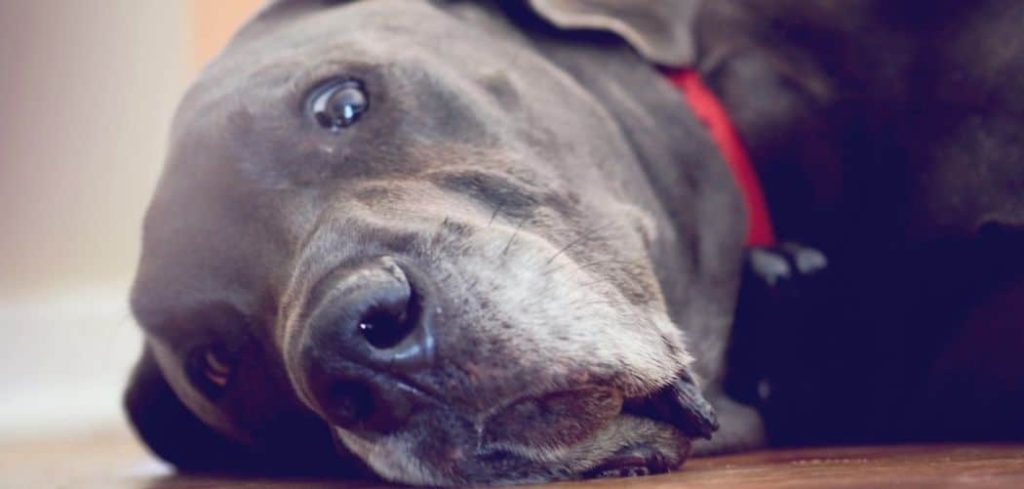
Dog Suddenly Cold: Common Causes
Hypothermia
Hypothermia is one of the most common medical reasons a dog suddenly feels cold. This happens when their body loses heat faster than it can produce it.
Even mild hypothermia makes a dog’s ears, paws, and body feel noticeably chilly to the touch. You may also notice shivering, stiffness, decreased energy, or a seeming inability to warm up even when inside the house.
Dogs with thin coats, small breeds, puppies, and senior dogs are more vulnerable because their bodies cannot trap or generate heat as efficiently.
Hypothermia can progress quickly, so any sudden coldness after being outdoors, wet, or exposed to wind should be taken seriously.
Related: Dog excessively drooling suddenly (Here’s why)
Shock or Circulatory Collapse
A dog that suddenly feels cold may be experiencing shock, meaning the body isn’t sending enough blood to the surface tissues.
In this state, blood is redirected to vital organs like the heart and brain, leaving the skin and extremities cold. Owners may notice pale gums, rapid breathing, a weak pulse, or disorientation.
Shock can be triggered by internal bleeding, trauma, severe allergic reactions, infections, or sudden illness. Because shock is life-threatening, a dog suddenly cold with additional symptoms must be seen urgently.
Low Blood Sugar (Hypoglycemia)
Low blood sugar can make a dog feel cold because their body lacks the fuel needed to maintain temperature.
Hypoglycemia often affects small breeds, puppies, diabetic dogs, and dogs who haven’t eaten due to illness. A dog may seem weak, shaky, confused, or wobbly, and their paws or ears may feel unusually cold compared to normal.
This condition can worsen rapidly. If a dog is suddenly cold and also lethargic or disinterested in food, low blood sugar is a strong possibility.
Hypothyroidism
Dogs with hypothyroidism have an underactive thyroid gland, which slows metabolism and reduces the body’s ability to regulate temperature.
This can cause a dog to feel cold even in normal conditions. Their coat may appear dull, their skin may thicken or flake, and they may gain weight despite normal food intake.
Some dogs with untreated hypothyroidism develop a persistently low body temperature and episodes of sudden coldness, especially when they are resting or sleeping.
Infection
When a dog’s immune system is fighting an infection, their temperature can fluctuate.
A fever “breaking” can cause a dog to feel cold suddenly, especially if the temperature drops quickly. This may happen after gastrointestinal infections, respiratory illness, or systemic infections.
A dog may feel cold to the touch even if they recently had a fever, and owners might notice shivering, fatigue, clinginess, or unusual quietness.
Heart Problems
Heart disease can make a dog’s body feel cold because circulation becomes less efficient.
Dogs with heart issues may develop cold paws or ears, reduced activity, coughing, or trouble breathing. When the heart cannot pump adequately, blood doesn’t reach extremities well, leading to coolness or chills.
This is especially common in older dogs and breeds prone to heart conditions like Cavalier King Charles Spaniels, Chihuahuas, and Boxers.
Pain
Pain can trigger a stress response that causes peripheral blood vessels to constrict, making the dog feel cold.
A dog in pain may pant, hide, refuse food, or act restless. Their ears and paws may cool down because circulation shifts toward internal organs.
This can happen with injuries, arthritis flare-ups, abdominal discomfort, or dental pain, and the coldness may appear suddenly in episodes.
Related: Dog suddenly not eating and vomiting (Causes explained)
What to Do If Your Dog Is Suddenly Cold
If your dog is suddenly cold, start by warming them gradually in a safe, controlled way. Wrap them in a warm blanket, move them indoors if they were outside, and offer a comfortable, draft-free space.
If your dog is wet, gently dry them and use a warm (not hot) towel to help raise their body temperature. Avoid heating pads or direct heat sources, which can cause burns or overheating. Gentle warmth is always safer than intense heat.
Encourage hydration, as proper fluid balance helps regulate internal body temperature. If your dog is refusing water, licking their lips excessively, or drooling, they may need veterinary guidance.
Monitor your dog’s behavior closely. If they remain quiet, shaky, or lethargic, or if their gums appear pale, it’s safest to have them evaluated. A dog feeling cold due to infection, low blood sugar, or circulatory issues will not improve with warmth alone and requires medical treatment.
If the coldness appeared suddenly after vomiting, diarrhea, collapse, injury, or a medical episode, do not wait. Sudden coldness paired with illness is often an early sign of something more serious.
When to Call or Visit Your Vet
Seek immediate veterinary attention if your dog is suddenly cold and shows any of the following:
If their gums are pale, blue, white, or very tacky, this may indicate shock or circulatory collapse.
If they are extremely lethargic, unresponsive, or disoriented, low blood sugar or internal issues may be involved.
If they are shivering uncontrollably, refusing food, or vomiting, this suggests a medical reason that requires prompt care.
If coldness accompanies coughing, rapid breathing, or difficulty breathing, heart or respiratory disease may be present.
If your dog is small, a puppy, senior, or has known health problems, don’t delay. These dogs are more vulnerable and can deteriorate quickly.
Read more: Dog Drinking A Lot Of Water Suddenly (What it could mean)
Key Takeaway
A dog suddenly feeling cold is more than just a temperature issue — it can be a sign that their body is struggling with circulation, metabolism, blood sugar, or infection. By recognizing early symptoms and responding quickly, you can help keep your dog safe and comfortable.
If your dog doesn’t warm up quickly, seems unwell, or shows additional symptoms, it’s always best to contact your veterinarian.
Sudden coldness is often the body’s first signal that something deeper may be happening, and your timely action can make a major difference.