
Seeing your dog suddenly breathing heavy can be alarming, especially when it comes out of nowhere and your dog seems uncomfortable or distressed.
Heavy breathing can be a sign of something mild, but it can also be a warning of a serious medical issue that needs fast attention.
This guide explains the most common causes of sudden heavy breathing in dogs, what you can do at home, and when it’s best to involve your veterinarian.
Dog Suddenly Breathing Heavy: Why It Happens
A dog suddenly breathing heavy is usually caused by stress, pain, heat, respiratory disease, heart problems, or a sudden medical change that makes it harder for the body to get enough oxygen. Heavy breathing happens when a dog’s body needs more oxygen or is struggling to move air normally.
Conditions like heatstroke, heart disease, anxiety, lung infections, allergic reactions, and internal discomfort can all trigger fast or labored breathing.
Some causes are mild and temporary, while others require urgent veterinary treatment, especially if the breathing becomes loud, shallow, or visibly painful.
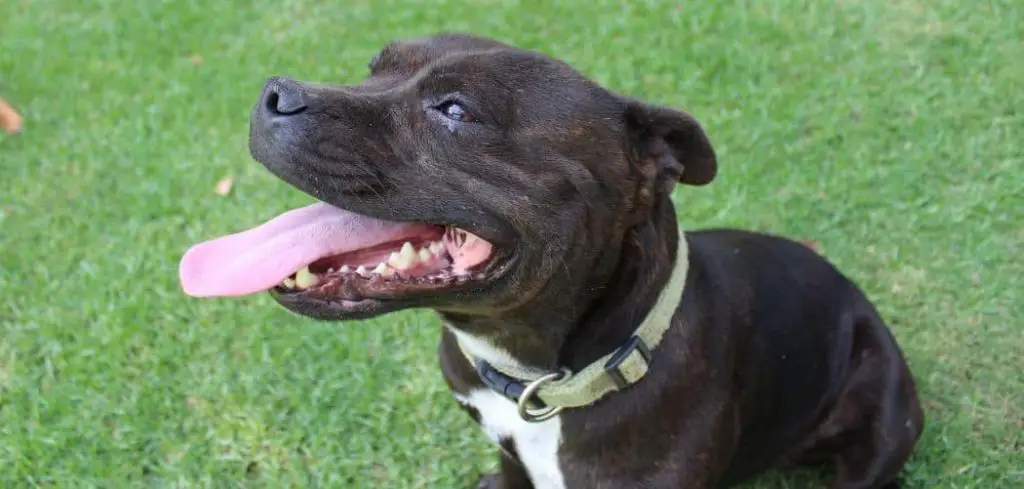
Dog Suddenly Breathing Heavy: Common Causes
Heatstroke or Overheating
Heatstroke is one of the most urgent causes of sudden heavy breathing, especially in warm climates or after intense activity. When a dog overheats, panting becomes rapid and intense as the body tries to cool itself down.
You may notice excessive salivation, bright red gums, weakness, or your dog collapsing.
This condition progresses quickly and can lead to organ failure or death if not treated immediately. Heavy breathing from overheating is always an emergency and requires fast cooling and veterinary support.
Related: Dog breathing heavy and fast (Causes explained)
Heart Disease
Heart problems—especially congestive heart failure—are a common medical cause of sudden heavy breathing in dogs. When the heart can’t pump effectively, fluid can build up around the lungs, making it difficult for your dog to breathe.
You might notice coughing, reluctance to exercise, fainting episodes, or a swollen belly.
Heavy breathing linked to heart disease is serious because the body is struggling to circulate oxygen. Dogs with underlying heart issues often breathe heavily even at rest or during sleep.
Respiratory Infection
Lower respiratory infections, including pneumonia, can make breathing difficult and cause sudden heavy breathing. Fluid, mucus, or inflammation inside the lungs prevents oxygen from moving freely.
Dogs may cough, appear lethargic, lose interest in food, or have a fever.
Pneumonia can worsen quickly, especially in puppies, older dogs, or dogs with weakened immune systems. Heavy breathing from an infection often sounds wet, raspy, or labored, and it needs veterinary evaluation right away.
Pain
Pain is one of the most overlooked causes of sudden heavy breathing in dogs. When a dog is hurting—from an injury, arthritis flare-up, abdominal pain, or internal issue—respiration often increases as a stress response.
You may notice pacing, whining, hiding, stiffness, or restlessness.
Since dogs mask pain well, heavy breathing may be the only visible sign. Pain-related rapid breathing is concerning because it indicates your dog is in significant discomfort and struggling to cope.
Stress
Emotional distress can also trigger sudden heavy breathing. Dogs who become frightened, overwhelmed, or anxious may start panting heavily even in a cool environment.
This often happens during fireworks, car rides, storms, or separation from their owner.
While stress-based heavy breathing is not usually dangerous on its own, it can mimic medical problems and may require behavioral support or anti-anxiety treatment if it happens frequently. Always rule out medical causes before assuming it is “just anxiety.”
Allergic Reaction
A sudden allergic reaction—caused by an insect sting, food allergen, or environmental trigger—can cause heavy breathing within minutes. Swelling of the face, throat, or airways restricts airflow and makes breathing difficult.
Dogs may develop hives, vomiting, or collapse if the reaction progresses.
Anaphylaxis is a medical emergency, and heavy breathing in this context can be life-threatening without fast intervention.
Related: Dog breathing heavy and fast while sleeping (Why it happens)
What to Do If Your Dog Is Suddenly Breathing Heavy
If your dog is suddenly breathing heavy, the first priority is to stay calm and assess what might be causing the change.
Look at your dog’s body language, check the environment, and determine whether there was exposure to heat, allergens, or a frightening event.
If your dog is warm or may be overheating, move them to a cool, shaded area immediately. Offer water but do not force them to drink. Cooling with fans or cool (not ice-cold) wet towels can help until you reach a vet.
If your dog seems anxious, speak softly, dim the environment, and remove any stress triggers. Some dogs benefit from gentle pressure wraps, calming pheromone sprays, or simply sitting beside you until they settle.
For possible pain, avoid touching sensitive areas and prevent them from jumping or running. Keeping your dog rested and comfortable reduces the strain on their breathing until you can get a professional evaluation.
If your dog’s breathing is worsening, their tongue is blue or pale, they are drooling excessively, or they appear weak or confused, do not wait. Go straight to the nearest veterinary clinic or emergency hospital.
When to Call or Visit Your Vet
You should call or visit your vet immediately if your dog is breathing heavy and:
- They are panting nonstop at rest.
- They seem unable to catch their breath.
- Their gums are blue, gray, or very pale.
- They collapse, wobble, or seem confused.
- You suspect heatstroke.
- You suspect poisoning, an allergic reaction, or a sting.
- There is coughing along with fast breathing.
- Your dog is drooling, vomiting, or very lethargic.
- They were recently diagnosed with heart or lung disease.
- Their breathing is loud, raspy, or accompanied by wheezing.
Any heavy breathing that comes on suddenly and does not resolve within a few minutes needs professional evaluation. Dogs deteriorate much faster than humans when oxygen is compromised.
Read more: Dog Breathing Heavy and Throwing Up (Here’s why)
Key Takeaway
Sudden heavy breathing in dogs is never something to ignore. While it can stem from temporary stress or excitement, it may also signal overheating, heart disease, respiratory infection, pain, or a serious allergic reaction.
The safest approach is to monitor your dog closely, keep them calm, and contact your veterinarian if the breathing does not return to normal quickly—or if any additional symptoms appear.
With fast action, most dogs recover well, and your vigilance ensures they get the care and support they need during concerning moments.