
A dog breathing heavy and fast while sleeping can be unsettling for any dog owner. While it’s normal for dogs to breathe a bit faster during dreams or after activity, persistent or unusually heavy breathing during rest can signal an underlying health issue.
We outline the common causes of fast and heavy breathing in dogs while sleeping, what you can do, and when to seek veterinary care.
Table of Contents
Dog Breathing Heavy and Fast While Sleeping: Why It Happens
Heavy, rapid breathing during sleep can be caused by both harmless and serious conditions. Sometimes it’s a natural part of the sleep cycle, especially during REM sleep when dogs may dream and experience temporary increases in breathing rate. However, it can also be linked to heat, stress, respiratory conditions, heart disease, or pain.
Recognizing the difference between normal sleep breathing and a medical concern is key to protecting your dog’s health.
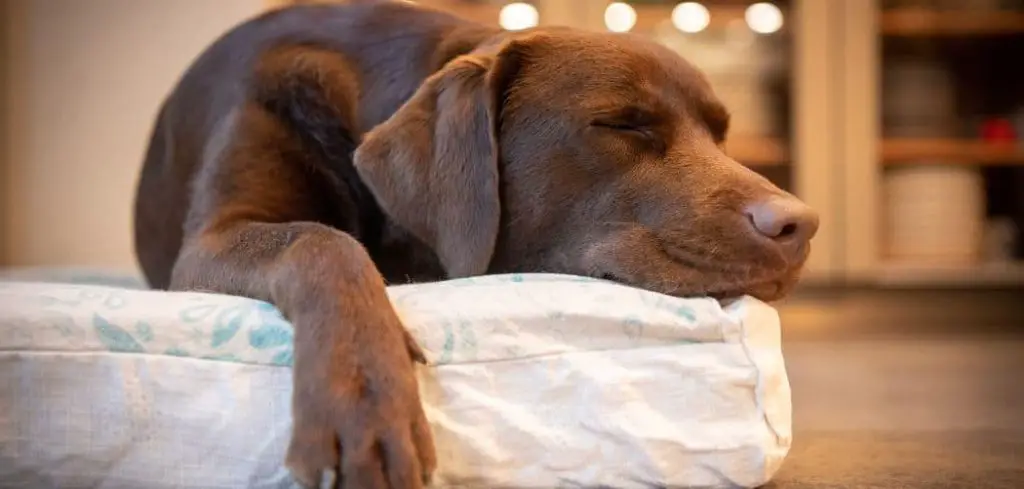
Common Causes of Heavy and Fast Breathing in Dogs While Sleeping
REM Sleep and Dreaming
During REM (rapid eye movement) sleep, dogs often dream, twitch, and breathe faster. This is typically normal and harmless. The breathing pattern usually settles once they move into a deeper sleep stage or wake up.
Additional symptoms include small movements in the paws, eyelids, or ears during these episodes, which further indicates dreaming rather than distress.
Read more: Dog breathing heavily and panting (Here’s why)
Overheating
If your dog is sleeping in a warm environment or after exercise, heavier breathing may be the body’s way of regulating temperature. Panting while asleep can help dissipate heat.
However, excessive heat can lead to dangerous conditions like heatstroke, which requires immediate action.
Heart Disease
Heart problems can cause fluid buildup in the lungs or reduce oxygen flow, leading to rapid breathing even during rest.
Dogs with heart disease might also cough, tire easily, or have reduced stamina.
Breathing changes that persist regardless of activity level should always be evaluated by a vet.
Respiratory Infections
Conditions like pneumonia or bronchitis can make it harder for dogs to get enough oxygen, resulting in heavier breathing. You may also notice nasal discharge, coughing, or lethargy.
Sleeping can make breathing challenges more noticeable, as the dog is less able to compensate with movement.
Pain or Discomfort
Pain from injury, arthritis, or internal illness can cause increased breathing rates, even during sleep. This is the body’s way of coping with stress and discomfort.
If your dog’s heavy breathing is accompanied by restlessness or changes in posture, pain could be a factor.
Anxiety or Stress
Emotional stress can lead to faster breathing, and this can carry into sleep patterns. Dogs who are anxious or adjusting to new environments may breathe faster at rest.
A calm, safe sleeping area and consistent routine can help reduce this cause.
Related: Dog breathing heavily but acting normal (What it means)
Dog Breathing Fast but Not Panting While Sleeping
A dog breathing fast but not panting while sleeping may be experiencing normal dream activity, but it can also indicate an underlying health issue.
Dogs often breathe faster during the REM stage of sleep when they are dreaming, and their breathing should return to normal once they wake up.
However, rapid breathing that continues during deep sleep or is accompanied by effort, chest movement, coughing, restlessness, or unusual sounds may suggest problems such as heart disease, respiratory infections, pain, fever, or fluid buildup in the lungs.
Monitoring your dog’s sleeping respiratory rate can help determine whether the breathing pattern is within a normal range or needs veterinary attention.
Puppy Breathing Heavy and Fast While Sleeping
A puppy breathing heavy and fast while sleeping may be normal, especially during active dream periods when puppies twitch, move their paws, or breathe rapidly.
Puppies also naturally have faster breathing rates than adult dogs because their bodies are still developing.
However, heavy or labored breathing that occurs outside of dreaming, continues after waking, or is accompanied by coughing, weakness, poor appetite, fever, or nasal discharge may indicate illness.
Respiratory infections, parasites, congenital heart problems, overheating, or pain can cause abnormal breathing in puppies and should be evaluated by a veterinarian.
Senior Dog Breathing Heavy and Fast While Sleeping
A senior dog breathing heavy and fast while sleeping should be monitored closely because older dogs are more prone to heart and lung conditions.
While occasional faster breathing during dreams can be normal, persistent rapid breathing during rest or sleep may be associated with congestive heart failure, chronic lung disease, airway problems, pain, anemia, or other age-related illnesses.
Older dogs may also show subtle signs of disease, so changes such as coughing, reduced energy, weight loss, difficulty exercising, or restlessness at night should be taken seriously.
A veterinarian can assess your senior dog’s heart, lungs, and overall health to determine the cause.
Related: Old not making weird breathing noises (What it means)
Dog Breathing Heavily and Fast While Sleeping: What to Do
First, observe your dog without waking them to note how long the heavy breathing lasts and whether it stops naturally. If it’s tied to dreaming, it should resolve within a minute or two.
Ensure your dog’s sleeping environment is cool, well-ventilated, and comfortable. Overheating is a common and preventable cause.
Keep track of any additional symptoms such as coughing, lethargy, or changes in appetite. These can help your vet identify potential health concerns.
If your dog has known heart or respiratory conditions, follow your vet’s guidance and medication plan carefully.
When in doubt, it’s better to have a quick check-up than risk missing a serious issue.
When to Call or Visit Your Vet
Seek veterinary attention right away if your dog’s heavy breathing during sleep is accompanied by:
Persistent rapid breathing while awake and at rest
Bluish or pale gums
Collapse, weakness, or severe lethargy
Wheezing, choking, or continuous coughing
Signs of pain such as whining or inability to settle
Breathing issues can progress quickly, so prompt evaluation can make a critical difference.
Read more: Dog Breathing Heavy and Throwing Up (Should you worry?)
Dog Breathing Heavy and Fast While Sleeping: Treatment
Veterinary treatment for a dog breathing heavily and quickly while sleeping depends on the underlying cause.
The veterinarian may perform a physical examination, listen to the heart and lungs, take blood tests, perform chest X-rays, or use other diagnostic tests to identify the problem.
Treatment may include medications for heart disease, antibiotics for respiratory infections, pain management, allergy treatment, or supportive care for other conditions affecting breathing.
If the rapid breathing is caused by an emergency such as fluid in the lungs, severe infection, or breathing difficulty, immediate treatment may be required. Seek veterinary care promptly if your dog struggles to breathe, has blue or pale gums, cannot settle comfortably, or has a consistently elevated sleeping breathing rate.
Key Takeaway
Heavy and fast breathing during a dog’s sleep can be perfectly normal during dreaming, but it can also signal heat, illness, or heart problems. Always consider the context, environment, and any other symptoms.
If you’re ever unsure, a veterinary exam is the safest option. Acting early can protect your dog’s health and give you peace of mind.


