
Your dog experiencing side effects after vaccines can be unsettling, especially if your dog suddenly develops symptoms like soreness, sleepiness, shaking, or reduced appetite.
Even when you know vaccinations are essential for your dog’s health, unexpected changes afterward can make you worry something is wrong.
This guide explains the most common causes of dog side effects after vaccines, what you can do at home, and when it’s best to involve your veterinarian.
Dog Side Effects After Vaccines: Why It Happens
Dog side effects after vaccines happen because the immune system becomes activated, which can lead to temporary inflammation, soreness, or mild illness-like symptoms. Vaccines are designed to mimic infection so your dog develops immunity, and this process can cause reactions such as fever, fatigue, or mild swelling. Some dogs are more sensitive to the injection site, while others may react to the vaccine components themselves.
Stress from the vet visit can also contribute to symptoms like shaking or temporary behavior changes. These side effects are usually mild, short-lived, and part of the body building protection, though some require close monitoring.
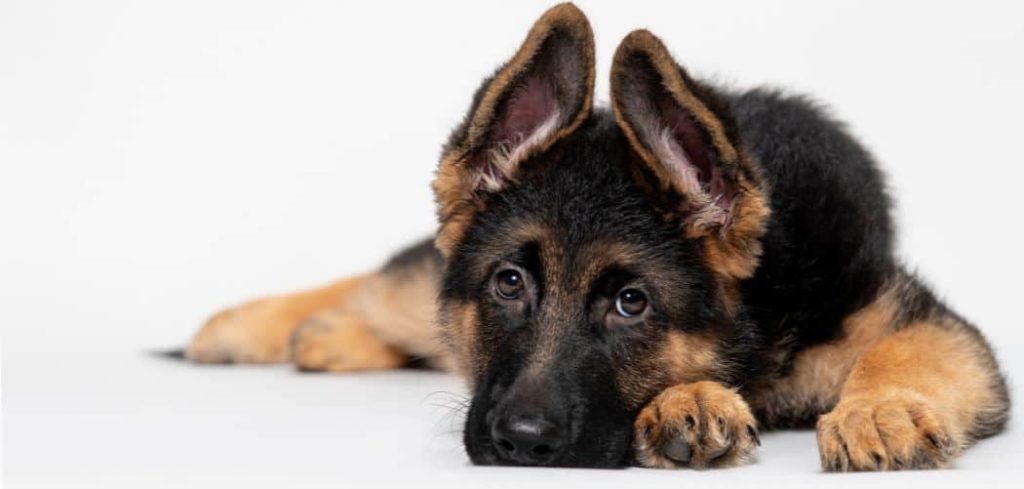
Dog Side Effects After Vaccines: Common Causes
Immune System Activation
The most common cause of dog side effects after vaccines is a natural immune response. Vaccines stimulate the immune system to build antibodies, and this activation can create mild, temporary symptoms similar to how humans sometimes feel after shots.
You may notice fatigue, mild fever, reduced appetite, or shivering. These happen because the immune system is working, not because your dog is sick from disease. In most cases, these symptoms fade within 24–48 hours as the immune system adjusts.
This type of reaction is normal, expected, and generally not dangerous, but it can look concerning if you aren’t prepared for it.
Related: Dog diarrhea after vaccines (Why it happens)
Injection Site Pain
Many dog side effects after vaccines come from localized inflammation where the shot was given. Soreness at the injection site can make your dog limp, flinch when touched, or avoid lying on one side.
A small, firm lump may develop under the skin and can last for days or weeks. Some dogs shake or act stiff because the injection site feels bruised or tender.
This discomfort is often mild, though it may be more noticeable in small breeds or dogs who received several vaccines in one appointment.
Fever or Lethargy
Vaccines frequently cause low-grade fever as the body builds immunity. Fever naturally leads to signs like sleeping more than usual, moving slowly, or showing less interest in food.
These side effects usually appear within a few hours of vaccination and may continue for up to a full day. Fever-related lethargy can be more pronounced in puppies or older dogs.
While mild fever is normal, fever lasting longer than 24–36 hours or accompanied by vomiting, diarrhea, or collapse requires veterinary attention.
Digestive Upset After Vaccines
Some dogs experience gastrointestinal side effects such as mild vomiting, diarrhea, or reduced appetite.
These symptoms often happen when the immune system is activated or when a dog feels stressed after the vet visit.
Digestive reactions can happen minutes to hours after vaccination. In many cases, dogs show rumbling stomachs, soft stool, or temporary refusal to eat dinner.
Healthy adult dogs usually bounce back quickly, but persistent digestive upset can signal a more significant reaction.
Behavioral Changes After Vaccines
Stress can trigger behavioral side effects after vaccines. Many dogs feel anxious, overstimulated, or drained after the vet visit, and this can affect how they act at home.
You may see trembling, pacing, whining, hiding, or clinginess. Some dogs act “off,” appear jumpier, or want more reassurance from their owners.
These behaviors usually come from the experience of being handled, restrained, or exposed to unfamiliar scents and sounds—not the vaccine itself.
Symptoms often resolve once your dog has a quiet, safe space to unwind.
Allergic Reactions
While uncommon, some dogs can react to ingredients within the vaccine, such as adjuvants or preservatives. These reactions may cause swelling, hives, itchiness, facial puffiness, or difficulty breathing.
Sometimes the first sign is shivering, vomiting, or sudden lethargy. Allergic reactions tend to appear quickly—within minutes to a few hours after vaccination.
Though rare, these reactions can become serious if untreated, so recognizing early warning signs is critical.
Related: Dog throwing up after vaccines (Here’s why)
What to Do If Your Dog Is Experiencing Side Effects After Vaccines
If your dog is having mild side effects after vaccines, start by giving them a calm, quiet environment to rest. Many dogs feel tired or sore after their appointment, and rest helps the immune system adjust. Offer fresh water and allow them to drink whenever they’re ready, as hydration supports recovery from fever or inflammation.
Keep your dog warm, but avoid covering them heavily if they have a fever. Light reassurance may help reduce anxiety-related trembling, but don’t overhandle them if they appear sore or uncomfortable.
Observe the injection site gently without pressing on it, and watch for swelling, redness, or heat.
Avoid exercise for the rest of the day, as physical activity can increase soreness. If your dog is refusing food, try offering a small amount of a bland meal like boiled chicken and rice, but do not force-feed them.
Never give human painkillers. Medications such as ibuprofen, aspirin, and acetaminophen are toxic to dogs. Only use pain medication if your veterinarian has prescribed one specifically for your dog’s post-vaccine discomfort.
Monitor symptoms closely. Most side effects begin to improve within 12–24 hours. If you notice symptoms worsening or new concerning signs appearing, contact your veterinarian promptly.
When to Call or Visit Your Vet
Some dog side effects after vaccines need immediate medical attention, especially if they suggest a strong or dangerous reaction. Contact your veterinarian right away if your dog develops swelling of the face, eyes, muzzle, or throat, as this can indicate an allergic reaction. Hives, widespread itching, or sudden collapse require urgent care.
Vomiting or diarrhea that lasts more than a few hours should also be evaluated, especially if accompanied by lethargy. Extreme fatigue, disorientation, or difficulty breathing are emergency symptoms and should never be monitored at home.
If your dog develops a large, rapidly growing lump at the injection site or if the area becomes hot, painful, or produces discharge, this may indicate infection or serious inflammation. Dogs with persistent fever, refusal to drink, or weakness also need veterinary attention.
When in doubt, it is always safer to call your vet. They may recommend monitoring at home, or they may want to check your dog to prevent complications.
Read more: Dog Diarrhea After Rabies Shot (Is it normal?)
Key Takeaway
Dog side effects after vaccines are usually mild and temporary. Most dogs experience nothing more than fatigue, soreness, or slight digestive changes as their immune systems build protection. While these reactions can look concerning, they often resolve quickly with rest and comfort.
Monitoring your dog closely after vaccination helps you recognize when a reaction is normal and when something more serious may be developing.
If you ever feel uneasy about your dog’s symptoms, contacting your veterinarian is the best way to keep your pet safe and supported.