
Prednisone is a corticosteroid medication commonly used in dogs to reduce inflammation and suppress the immune system. It is often prescribed for conditions such as allergies, skin diseases, autoimmune disorders, arthritis flare-ups, and certain cancers.
Prednisone works by mimicking natural hormones produced by the adrenal glands, helping to decrease swelling, redness, and immune overactivity in the body. While it can be very effective, it may also cause side effects such as increased thirst.
Sudden thirst while on prednisone can be startling for many dog owners — especially when it appears overnight.
We outline reasons why increased thirst in dogs taking prednisone happens and what you can do.
Table of Contents
Dog Prednisone and Thirst: Why It Happens
Prednisone often causes excessive thirst because of how it affects your dog’s metabolism, hormone balance, and kidney function. This steroid medication mimics natural cortisol, which helps control inflammation and immune responses. However, one of its side effects is increased water intake (polydipsia) and more frequent urination (polyuria).
Dogs on prednisone often pant more, urinate more often, and may even seem restless. These changes are typically expected but can become concerning if your dog can’t seem to get enough water or starts to act lethargic, vomit, or lose weight.
How Long Does Prednisone Cause Thirst in Dogs?
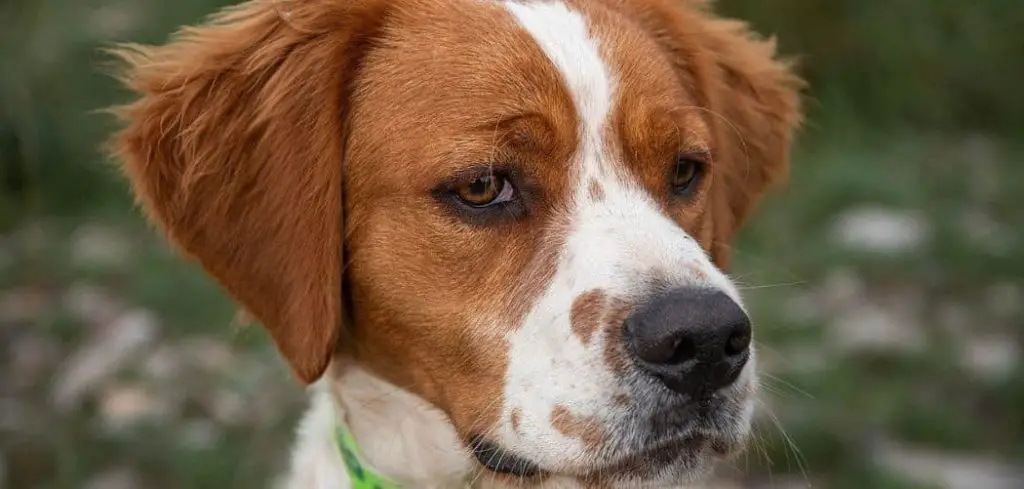
Increased thirst (polydipsia) is a very common side effect of prednisone and can begin within the first few days of starting the medication. For many dogs, the increased thirst continues for as long as they are on the drug, especially at moderate to high doses.
Once the dosage is reduced or the medication is stopped, thirst typically returns to normal within a few days to a couple of weeks. The intensity often depends on the dose and the individual dog’s sensitivity.
What are the Worst Side Effects of Prednisone in Dogs?
Prednisone is effective but can cause significant side effects, especially with long-term use or high doses. Some effects are mild and expected, while others can be more serious and require close monitoring.
Potential serious side effects include:
Excessive thirst and urination
Severe panting and restlessness
Increased appetite leading to weight gain
Muscle weakness or loss
Suppressed immune system (higher risk of infections)
Gastrointestinal ulcers or bleeding (vomiting blood, black stool)
Behavioral changes (aggression, anxiety)
Development of conditions like diabetes or Cushing’s-like symptoms
Delayed wound healing
Liver changes with long-term use
Related: Dog Diarrhea while on Prednisone (Why it happens)
Dog Prednisone and Thirst: Common Causes
1. Steroid-Induced Water Retention
Prednisone is a corticosteroid, meaning it mimics cortisol — a hormone that helps regulate stress, inflammation, and fluid balance.
When your dog takes prednisone, it changes how the body handles salt and water. Sodium levels increase, causing the kidneys to retain salt and, as a result, make your dog drink more water to maintain balance.
This leads to that endless thirst you’re noticing. It’s normal in most cases, especially during the first week or two of treatment. However, if your dog starts drinking excessively (for example, finishing multiple bowls a day), it’s best to alert your vet.
Read more: Dog panting and prednisone (Why it happens)
2. Prednisone Dosage and Duration
The higher the dose of prednisone, the stronger the side effects — including thirst.
Short-term use for allergies or inflammation may cause mild thirst that fades once the medication ends. But long-term therapy for chronic conditions such as arthritis, Addison’s disease, or autoimmune disorders can cause more persistent thirst.
If your dog has been on prednisone for several weeks or months, don’t stop it suddenly. Abrupt withdrawal can cause serious complications. Instead, talk to your vet about safely tapering the dose.
3. Kidney Stress or Reduced Kidney Function
Prednisone affects how the kidneys filter water and waste. Over time, this can lead to temporary stress on the kidneys — especially in senior dogs or those with preexisting kidney disease.
If your dog’s thirst seems extreme or is paired with lethargy, vomiting, or pale gums, it could indicate that the kidneys are struggling to process the extra workload.
A vet can check kidney function through bloodwork and urinalysis, ensuring the medication remains safe for your dog’s system.
4. Cushing’s Syndrome (Steroid Overload)
Interestingly, long-term prednisone use can mimic a natural condition called Cushing’s syndrome — where the body produces too much cortisol.
Symptoms overlap with what you might already see: excessive thirst, increased appetite, hair loss, panting, and a pot-bellied appearance.
If your dog has been on prednisone for an extended period and begins to show these additional signs, your vet may test for iatrogenic Cushing’s (meaning Cushing’s caused by medication).
5. Diabetes Mellitus
Prednisone can raise blood sugar levels, putting some dogs at risk for diabetes — particularly older or overweight dogs.
When blood sugar rises, the body tries to flush out the excess through urine. This loss of fluid triggers increased thirst to compensate.
If your dog on prednisone is drinking excessively, losing weight, and urinating frequently, your vet might run a glucose test to rule out steroid-induced diabetes.
6. Underlying Illness Exacerbated by Prednisone
Sometimes, a dog’s thirst isn’t solely caused by prednisone but worsened by another underlying condition.
For example, liver disease, urinary tract infections, or hormonal imbalances can intensify the thirst response. Prednisone may make these issues more noticeable since it alters how the body metabolizes fluids and electrolytes.
Always let your vet know about any new or worsening symptoms during treatment — especially changes in appetite, vomiting, or fatigue.
Dog Prednisone Thirst in Older Dogs
Senior dogs often experience stronger side effects from prednisone because their kidneys, liver, and adrenal glands are already working harder to maintain balance.
An older dog on prednisone may drink excessively, have accidents in the house, or become restless at night due to the need to urinate more frequently.
While this can be normal, it’s important to monitor for dehydration or other complications. Older dogs may also have concurrent conditions like kidney disease, diabetes, or heart issues that magnify prednisone’s side effects.
If your senior dog is constantly seeking water, ask your vet whether the dosage can be reduced or switched to a gentler alternative such as hydrocortisone or budesonide.
Read more: Dog Coughing While on Prednisone (What this can mean)
What to Do If Your Dog Has Prednisone-Related Thirst
If your dog’s thirst has noticeably increased after starting prednisone, you can take several steps to help keep them comfortable and safe at home.
Provide unlimited access to fresh water. Restricting water is never a good idea — it can lead to dehydration and worsen kidney stress. Keep multiple bowls around the house, especially if your dog drinks frequently.
Offer bathroom breaks more often. Since prednisone increases urination, frequent outdoor trips will help prevent accidents and reduce discomfort.
Stick to your vet’s dosing instructions. Never adjust or stop prednisone without veterinary approval, even if side effects seem intense. Stopping suddenly can cause adrenal crisis — a life-threatening drop in natural steroid hormones.
Monitor your dog’s appetite and energy levels. Increased thirst is expected, but extreme lethargy, loss of appetite, or vomiting could suggest an underlying issue.
Ask your vet about dosage timing. Giving prednisone in the morning (when dogs naturally produce cortisol) may reduce some side effects like nighttime restlessness and panting.
When to Call or Visit Your Vet
You should contact your veterinarian right away if your dog’s thirst is accompanied by other concerning symptoms, such as:
Vomiting or diarrhea
Loss of appetite or sudden weight loss
Weakness, shaking, or collapse
Excessive panting or restlessness
Blood in urine or stool
Persistent urinary accidents indoors
Your vet may recommend adjusting the dosage, running blood tests, or switching to an alternative medication with fewer side effects.
If your dog is on long-term prednisone, regular checkups every few months are essential to monitor liver and kidney function. This ensures that the treatment remains safe and effective for your dog’s condition.
Read more: Dog Very Hungry on Prednisone (Is this normal?)
Key Takeaway
Prednisone can be a powerful and life-saving medication for many dogs — but it comes with predictable side effects like increased thirst and urination.
In most cases, thirst while a dog is on prednisone is temporary and manageable, especially with proper hydration, frequent potty breaks, and vet monitoring.
However, if your dog’s thirst becomes excessive or you notice other changes such as vomiting, lethargy, or loss of appetite, don’t wait to call your vet.
With the right adjustments and care, your dog can stay comfortable and continue benefiting from prednisone’s therapeutic effects safely.


