
Seeing your dog panting heavily and vomiting can be alarming, especially if both symptoms appear suddenly or persist.
These signs may indicate anything from minor digestive upset to a serious underlying health issue needing urgent care.
Table of Contents
Dog Panting Heavily and Vomiting: Why It Happens
Panting and vomiting together often signal that your dog is experiencing physical distress. The cause can range from gastrointestinal issues, toxins, heat-related illness, or pain to more serious conditions like pancreatitis or organ dysfunction.
In many cases, vomiting is the body’s way of eliminating something harmful, while panting reflects the dog trying to cool down, ease discomfort, or cope with nausea. These symptoms together should never be ignored.
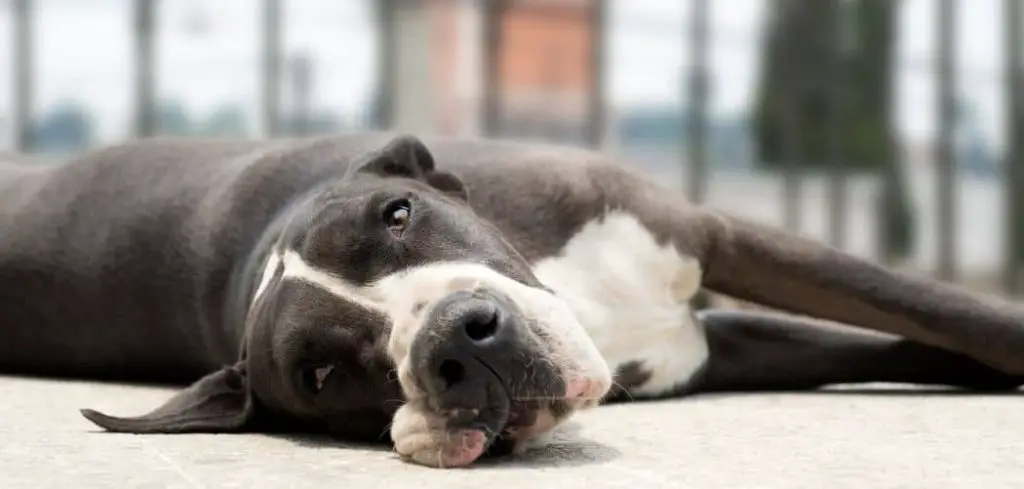
Dog Panting Heavily and Vomiting: Common Causes
Gastrointestinal Upset
Digestive issues such as eating spoiled food, abrupt diet changes, or gastrointestinal infections can lead to vomiting.
Panting may occur as your dog feels nauseated, bloated, or uncomfortable.
Mild cases might resolve on their own, but persistent vomiting and panting may suggest a deeper issue like gastroenteritis or an obstruction.
Related: Dog panting and restless (Here’s why)
Heatstroke
If your dog has been exposed to high temperatures or intense activity in the sun, heatstroke is a top concern.
Panting becomes frantic as your dog tries to regulate body temperature, and vomiting can follow as the body becomes overwhelmed.
Heatstroke is an emergency. Without prompt cooling and medical attention, it can lead to organ damage or death.
Ingestion of Toxins
Dogs may vomit and pant heavily after ingesting toxic substances like chocolate, grapes, xylitol, medications, or household cleaners.
Panting often reflects a reaction to internal pain, nausea, or elevated heart rate due to poisoning.
This is a medical emergency. Quick identification of what your dog ingested can help your vet treat them more effectively.
Pancreatitis
Inflammation of the pancreas causes intense abdominal pain, vomiting, and systemic distress. Panting may be one of the ways dogs express their discomfort.
Pancreatitis is more common in dogs that have eaten fatty foods. It requires veterinary care to manage pain, inflammation, and hydration.
Bloat (Gastric Dilatation-Volvulus)
A life-threatening emergency primarily in deep-chested dogs, bloat involves the stomach filling with gas and twisting.
Dogs may pant heavily from pain and attempt to vomit without success or bring up foam.
Other signs include restlessness, distended abdomen, and collapse. This condition progresses quickly and requires immediate surgery.
Pain or Stress
Any source of significant pain—such as injury, dental issues, or internal inflammation—can cause panting.
Vomiting may be a stress response or related to the underlying cause.
If your dog appears restless, avoids food, or trembles along with vomiting and panting, they could be dealing with internal pain.
Read more: Dog Panting Excessively (Here’s why)
Dog Vomiting and Panting but Acting Normal
A dog that is vomiting and panting but otherwise appears normal may have a temporary stomach upset, nausea, dietary indiscretion, or stress.
Panting can occur as a response to nausea, discomfort, excitement, or anxiety, particularly around the time of vomiting.
A single episode followed by normal eating, drinking, energy, and behavior may be monitored closely.
However, repeated vomiting or persistent panting can indicate pain, gastrointestinal disease, pancreatitis, toxin exposure, or another problem.
Veterinary attention is needed if symptoms continue or if weakness, abdominal pain, blood in vomit, breathing difficulty, or appetite loss develops.
Dog Panting Heavily and Vomiting and Diarrhea
Heavy panting together with vomiting and diarrhea is more concerning, particularly when the symptoms occur repeatedly.
Gastrointestinal irritation, dietary indiscretion, infection, pancreatitis, poisoning, or an intestinal obstruction can produce this combination, while vomiting and diarrhea can also lead to dehydration.
Seek veterinary care promptly if the dog cannot keep water down, becomes weak or lethargic, has significant abdominal pain or swelling, develops bloody vomit or diarrhea, or continues panting heavily while resting.
These signs can indicate a condition requiring urgent treatment.
Old Dog Panting Heavily and Vomiting
An old dog that is panting heavily and vomiting should be evaluated immediately, especially if the symptoms are new.
Senior dogs can develop gastrointestinal disease, pancreatitis, kidney or liver problems, heart disease, pain, infection, or other conditions that may cause both vomiting and abnormal panting.
Do not assume the symptoms are simply due to age. Emergency care is warranted if the dog has difficulty breathing, pale or blue gums, repeated vomiting, a swollen or painful abdomen, severe weakness, confusion, collapse, or cannot keep water down.
What to Do If Your Dog Is Panting Heavily and Vomiting
Start by removing food and water temporarily to allow your dog’s stomach to rest. Monitor their behavior and ensure they are in a calm, cool environment.
If the vomiting is mild and your dog is otherwise alert, offer small sips of water after an hour or two.
Do not feed until vomiting has stopped for 12–24 hours, then reintroduce bland food like boiled chicken and rice.
Avoid giving human medications or forcing food. Keep your dog cool and hydrated, especially if heat exposure is suspected.
Try to identify any possible toxin exposure or dietary indiscretion that may have triggered symptoms.
However, if symptoms worsen, appear suddenly after being outdoors, or are accompanied by weakness or collapse, don’t wait to seek veterinary help.
When to Call or Visit Your Vet
Heavy panting and vomiting can escalate quickly, especially in emergencies like heatstroke or bloat.
Seek veterinary care immediately if:
Your dog is vomiting repeatedly or cannot keep water down
Vomit contains blood or looks like coffee grounds
Panting is excessive, loud, or labored
Gums are pale, blue, or very red
Abdomen appears swollen or painful to touch
Your dog collapses or seems disoriented
Symptoms follow exposure to heat or toxins
Prompt intervention can make a critical difference in outcomes.
Read more: Dog Panting Heavily and Diarrhea (Causes and what to do)
Key Takeaway
Panting heavily and vomiting are serious signs that your dog is under distress—from something as simple as dietary upset to life-threatening emergencies like heatstroke or bloat.
While mild cases may resolve with rest and supportive care, persistent or worsening symptoms should always be evaluated by a veterinarian.
Act quickly, monitor carefully, and when in doubt, call your vet.
Your prompt response can help ensure your dog gets the care they need to recover.


