
When your dog is panting heavily and has diarrhea, it’s a clear sign that their body is under stress.
These two symptoms together may point to digestive upset, pain, or a more serious medical issue that shouldn’t be ignored.
We outline the common causes of dog panting and diarrhea, what you can do, and when to seek veterinary care.
Table of Contents
Dog Panting and Diarrhea: Why It Happens
Dogs may pant and have diarrhea due to gastrointestinal infections, dietary indiscretion, stress, poisoning, or internal disease.
Panting typically signals discomfort or pain, while diarrhea reflects digestive system irritation or dysfunction.
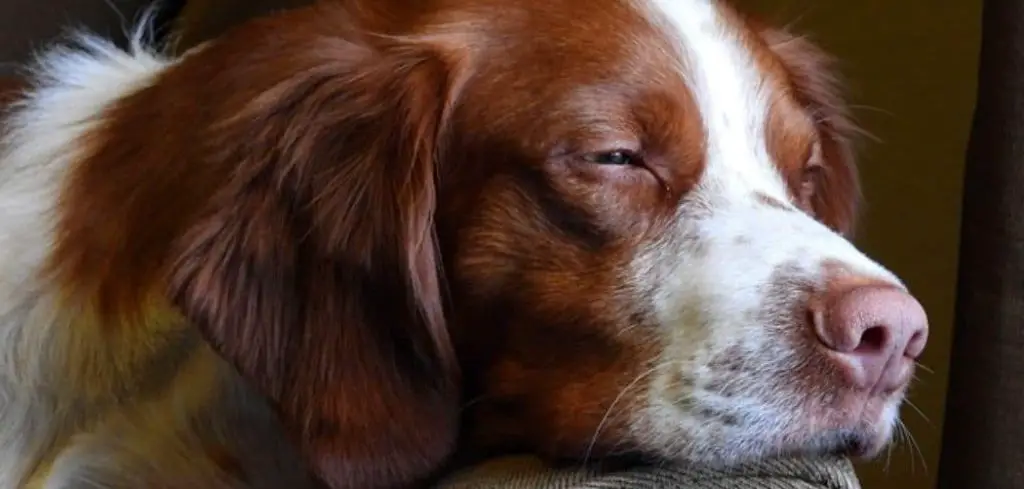
Can an Upset Stomach Cause a Dog to Pant?
Yes, an upset stomach can cause a dog to pant, particularly when nausea, abdominal discomfort, or cramping is present. Panting may occur because the dog feels uncomfortable or anxious as a result of the digestive problem.
Mild stomach upset can result from eating something unusual, a sudden food change, or dietary indiscretion.
However, persistent panting can also indicate significant pain or another illness. Repeated vomiting, severe abdominal pain, a swollen abdomen, weakness, or difficulty breathing warrants prompt veterinary attention.
Dog Panting and Diarrhea: Common Causes
Gastrointestinal Infection or Parasites
Bacterial infections (like Salmonella), viral infections (like parvo), and intestinal parasites can all cause diarrhea and systemic discomfort.
Panting may occur due to fever, cramping, or dehydration.bOther symptoms can include vomiting, lethargy, and loss of appetite.
Prompt veterinary treatment—including fluids and medications—is often necessary.
Dietary Indiscretion (Eating Something Bad)
Garbage gut, table scraps, spoiled food, or sudden diet changes can all cause diarrhea.
Panting may result from gas, abdominal pain, or mild nausea.
Mild cases can improve with fasting and bland meals, but watch for signs of worsening. If symptoms last more than 24 hours, a vet visit is advised.
Related: Dog panting and drooling (Here’s why)
Toxin or Poison Ingestion
Toxic substances—including chocolate, grapes, medications, or household chemicals—can trigger panting, drooling, vomiting, and diarrhea.
Time is critical. If ingestion is suspected, seek emergency veterinary help immediately. Panting may indicate organ stress or even early shock.
Anxiety or Stress-Induced GI Upset
Stress or excitement can lead to both panting and sudden diarrhea in some dogs.
This might happen during thunderstorms, travel, or vet visits. Some dogs have sensitive digestive systems that react quickly to emotional triggers.
Probiotics and anxiety support tools may help in chronic cases.
Pancreatitis or Internal Inflammation
Pancreatitis is a painful condition that causes inflammation of the pancreas. It commonly leads to diarrhea, panting, vomiting, and lethargy.
Often triggered by fatty foods, it requires veterinary care, including fluids, pain control, and dietary changes. Left untreated, it can lead to dehydration or systemic illness.
Dog Shortness of Breath and Diarrhea
Shortness of breath together with diarrhea is more concerning than diarrhea alone and can have several causes.
Severe gastrointestinal illness can lead to dehydration and weakness, while infection, poisoning, heart or lung disease, or another systemic condition can produce both respiratory and digestive symptoms.
If the dog is breathing with obvious effort, breathing rapidly while resting, has pale or blue gums, collapses, or cannot settle because of breathing difficulty, seek emergency veterinary care immediately.
Dog Panting and Diarrhea at Night
Panting and diarrhea at night can result from gastrointestinal upset, anxiety, pain, dietary indiscretion, or an underlying illness.
Nighttime symptoms may appear more noticeable because the dog is resting and there are fewer distractions.
If the dog repeatedly wakes with diarrhea and pants heavily while resting, the combination should not be ignored.
Monitor hydration and watch for vomiting, blood in the stool, abdominal pain, weakness, fever, or changes in appetite. Persistent or worsening symptoms require veterinary assessment.
Dog Panting, Diarrhea, and Vomiting
Panting, diarrhea, and vomiting together can indicate significant gastrointestinal irritation or illness.
Possible causes include dietary indiscretion, food intolerance, infection, parasites, pancreatitis, poisoning, or an intestinal obstruction.
Repeated vomiting and diarrhea can cause dehydration and electrolyte disturbances.
Veterinary care is particularly important if the dog cannot keep water down, has blood in the vomit or stool, develops abdominal swelling or pain, becomes lethargic or weak, or continues panting heavily while resting.
Dog Panting, Diarrhea, and Shaking
A dog with panting, diarrhea, and shaking may be experiencing nausea, abdominal discomfort, anxiety, fever, pain, or a more serious illness.
These signs can occur together when a dog is physically distressed.
The combination becomes more concerning when symptoms are sudden or severe.
Seek immediate veterinary care if the dog is extremely weak, repeatedly vomiting, has pale or blue gums, appears confused, has severe abdominal pain, has difficulty breathing, or collapses.
Old Dog Panting and Diarrhea
An old dog with panting and diarrhea may have a temporary digestive upset, but new or persistent symptoms in a senior dog deserve veterinary attention.
Possible causes include dietary indiscretion, intestinal disease, pancreatitis, infection, pain, or underlying kidney, liver, heart, or other age-related disease.
Monitor the dog’s appetite, water intake, energy level, stool, and breathing.
Immediate veterinary assessment is particularly important if the dog is losing weight, vomiting, refusing food or water, becoming weak, passing bloody or black stool, or panting heavily while resting.
What to Do If Your Dog Is Panting and Has Diarrhea
Withhold food for 12–24 hours and then offer a bland diet (boiled chicken and rice).
Ensure constant access to fresh water and encourage small, frequent sips.
Provide a calm, cool space where your dog can rest and recover.
Avoid giving human medications—many are toxic to dogs.
Monitor your dog’s condition closely, including energy level, appetite, and frequency of bowel movements.
When to Call or Visit Your Vet
Contact your vet if your dog:
Has diarrhea lasting longer than 24 hours
Is panting heavily even at rest
Shows signs of weakness or dehydration
Has bloody, black, or unusually foul-smelling stool
Has a fever, vomiting, or stops eating
Early intervention can prevent worsening dehydration or uncover more serious underlying causes.
Read more: Dog Panting and Throwing Up (What this means)
Dog Panting and Diarrhea: Treatment
Treatment depends on what is causing the diarrhea and panting. A veterinarian may recommend an examination, blood or stool testing, imaging, or other tests before selecting treatment.
Management may include fluids for dehydration and specific treatment for gastrointestinal disease, infection, parasites, pancreatitis, or another underlying condition.
Key Takeaway
When your dog is panting and has diarrhea, don’t brush it off as just an upset stomach.
Pain, infection, toxins, or inflammation could be at play.
Gentle care at home may help mild cases, but ongoing or severe symptoms need professional evaluation.