
Dogs vomiting at night can be an alarming experience for dog owners. You may wake up to find your dog retching, gagging, or leaving behind vomit while seeming otherwise fine during the day.
While occasional vomiting isn’t unusual, vomiting only at night often points to specific causes that need attention.
We outline the common causes of nighttime vomiting in dogs, what you can do, and when to seek veterinary care.
Table of Contents
Dog Only Throws Up at Night: Why It Happens
When a dog only vomits at night, it is usually linked to digestion timing, stomach irritation, or underlying medical conditions.
Common reasons include an empty stomach that triggers bile reflux, gastrointestinal upset, food sensitivities, parasites, or illnesses affecting the stomach and pancreas.
Sometimes, it may be related to feeding schedules or anxiety during nighttime hours.
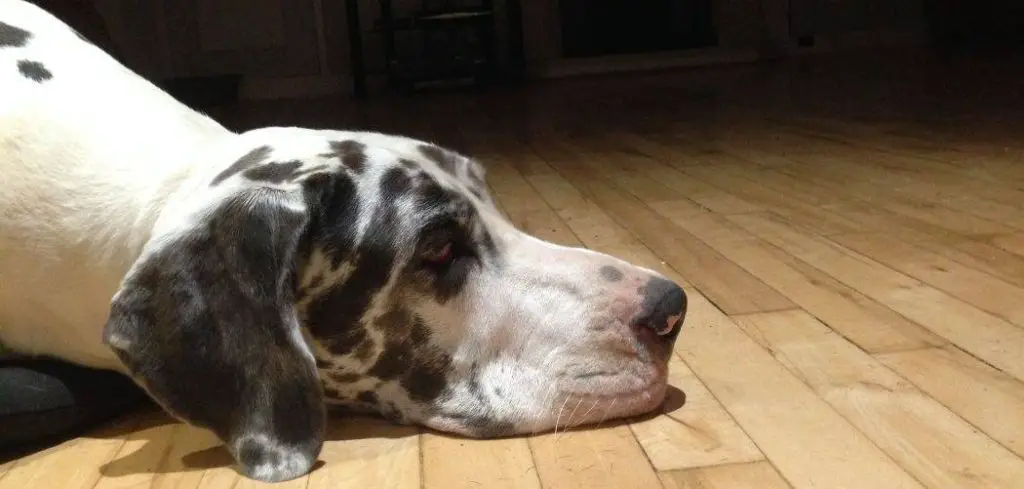
Dog Only Throws Up at Night but Acting Normal
A dog that only vomits at night but otherwise acts normal may be experiencing an empty stomach, mild acid reflux, dietary sensitivity, or a feeding schedule that leaves too many hours between meals.
When the stomach remains empty for a long period, acid can build up and irritate the stomach lining, leading to nighttime vomiting.
Many dogs with this issue continue eating, drinking, and behaving normally during the day.
While occasional episodes may not be serious, frequent nighttime vomiting should be evaluated by a veterinarian to rule out digestive disorders, food intolerance, or underlying illness.
Dog Only Throws Up at Night: Common Causes
Empty Stomach and Bile Reflux
When a dog goes many hours without food, bile can build up in the stomach and irritate its lining.
This condition, called bilious vomiting syndrome, often happens late at night or early in the morning when the stomach has been empty for too long. The vomit usually looks yellow or foamy.
Dogs may still act normal after vomiting, but repeated bile reflux can cause discomfort and weight loss if not addressed.
Read more: Dog Only Has Diarrhea at Night (Why it happens)
Food Sensitivities or Allergies
If your dog eats something in the evening that doesn’t agree with them, the reaction may show up later at night.
Food intolerances or allergies can cause inflammation in the gut, leading to vomiting.
In these cases, vomiting may be paired with gas, loose stools, or itching. Since the reaction depends on when the food is eaten, nighttime vomiting can become a consistent pattern.
Gastritis or Stomach Irritation
Dogs are known for getting into things they shouldn’t—whether it’s spoiled food, garbage, or table scraps.
Ingesting irritants can inflame the stomach lining, leading to nighttime vomiting when digestion slows down.
You might notice your dog throwing up undigested food, grass, or fluid. Mild gastritis can sometimes resolve on its own, but repeated or worsening vomiting needs medical attention.
Parasites and Infections
Internal parasites like roundworms or hookworms can irritate the digestive tract and trigger vomiting.
Some bacterial or viral infections may also cause vomiting that seems more frequent at night.
Puppies and young dogs are especially vulnerable to parasites, while unvaccinated dogs can pick up contagious illnesses. These conditions often come with other symptoms like diarrhea, weight loss, or a dull coat.
Pancreatitis
Pancreatitis is a painful condition where the pancreas becomes inflamed, often after eating fatty foods.
Vomiting can happen at any time, but some dogs vomit more at night when their bodies are less active, and digestion slows.
Pancreatitis often causes belly pain, lack of appetite, and lethargy alongside vomiting. This condition is serious and needs veterinary care right away.
Underlying Health Conditions
Nighttime vomiting can sometimes be a sign of more complex health issues, such as kidney disease, liver disease, or endocrine disorders like Addison’s disease.
These illnesses interfere with normal digestion and toxin removal, leading to vomiting that may appear random or linked to nighttime rest.
Dogs may also show increased thirst, changes in urination, or weight loss if a chronic disease is the cause.
Dog Throwing Up Food Only in Middle of Night
If a dog vomits undigested food in the middle of the night, it may be eating too quickly, having difficulty digesting meals, or suffering from delayed stomach emptying.
Some dogs regurgitate food hours after eating because it remains in the stomach longer than normal. Dietary changes, overeating, and certain gastrointestinal conditions can also contribute.
Repeated episodes warrant veterinary attention, especially if the dog loses weight, has a reduced appetite, or begins vomiting during the day as well.
Dog Always Throws Up at Night
A dog that consistently vomits at night likely has an underlying issue rather than a one-time stomach upset.
Common causes include acid reflux, chronic gastritis, food intolerance, inflammatory bowel disease, or other digestive disorders.
The timing may be related to meal schedules, with symptoms becoming noticeable after long periods without food.
Keeping a record of feeding times and vomiting episodes can help identify patterns, but ongoing nighttime vomiting should be discussed with a veterinarian.
Dog Throwing up bile only at Night
Yellow bile vomit at night is commonly associated with bilious vomiting syndrome, a condition that occurs when stomach acid and bile irritate an empty stomach.
Dogs often vomit yellow, foamy fluid late at night or early in the morning after going many hours without eating. Otherwise, they may appear completely healthy.
Many dogs improve when given a small meal or snack before bedtime, but recurring bile vomiting should still be evaluated to rule out more serious gastrointestinal problems.
Read more: Dog Throwing up bile only at Night (Causes and treatment)
Puppy Only Throws Up at Night
A puppy that only vomits at night may have an immature digestive system, go too long between meals, eat too quickly, or experience dietary sensitivity.
Puppies have higher energy needs than adult dogs and may develop stomach irritation if they go too long without food. However, vomiting in puppies should always be taken seriously because they can become dehydrated quickly.
If nighttime vomiting occurs repeatedly, is accompanied by diarrhea, lethargy, or poor appetite, immediate veterinary evaluation is needed to rule out infections, parasites, or other health concerns.
Read more: Puppy Only Throws Up at Night (Causes and what to do)
What to Do If Your Dog Only Throws Up at Night
If your dog vomits only at night, the first step is to track when and how often it happens. Note what the vomit looks like—whether it’s yellow bile, undigested food, or foamy liquid. Keeping a simple journal can help your vet pinpoint patterns.
Feeding a small snack before bedtime may reduce bile reflux by keeping the stomach from being completely empty overnight.
Switching to a more easily digestible diet or dividing meals into smaller portions throughout the day can also help reduce stomach irritation.
Ensure your dog always has access to fresh water, but discourage rapid drinking right before bed, as gulping water can trigger vomiting. If your dog has a sensitive stomach, avoid giving late-night treats or table scraps that could worsen digestion.
For dogs prone to gastritis, keeping them away from trash, spoiled food, or grass can prevent irritation. You can also discuss with your vet whether a bland diet or probiotic supplement may help balance digestion.
When to Call or Visit Your Vet
Occasional nighttime vomiting may not be urgent, but repeated episodes are a sign that something more serious could be going on.
You should contact your vet if your dog vomits at night more than once a week, or if the vomiting is becoming more frequent.
Seek immediate veterinary care if your dog’s vomit contains blood, looks like coffee grounds, or comes with diarrhea, lethargy, or refusal to eat. These can be signs of a dangerous condition like pancreatitis, gastrointestinal bleeding, or toxin ingestion.
Dogs that lose weight, drink excessively, or show abdominal pain along with nighttime vomiting should be evaluated as soon as possible.
Puppies, senior dogs, and dogs with existing health problems are at greater risk of complications and should not be left untreated.
Read more: Dog Only Eats at Night (What it means and how to help)
Key Takeaway
A dog that only throws up at night may be experiencing bile reflux, stomach irritation, food sensitivity, parasites, or a more serious medical condition. While occasional vomiting can be harmless, repeated episodes should never be ignored.
Small adjustments like changing meal timing or diet may help, but persistent or severe vomiting requires veterinary evaluation.
Staying alert and proactive ensures your dog remains healthy and comfortable—even through the night.


