
A dog only having diarrhea at night can be worrying for dog owners, especially when it disrupts both your dog’s rest and your own.
We outline the common causes of nighttime diarrhea in dogs, what you can do, and when to seek veterinary care.
Table of Contents
Dog Only Has Diarrhea at Night: Why It Happens
If your dog only has diarrhea at night, it usually points to something in their routine or health that’s disrupting their digestion later in the day. Common reasons include eating food that’s too rich, fatty, or spoiled, sudden changes in diet, food intolerances, or late-night feeding schedules.
Stress and anxiety can also trigger nighttime diarrhea, as can intestinal parasites or underlying conditions such as inflammatory bowel disease or pancreatitis.
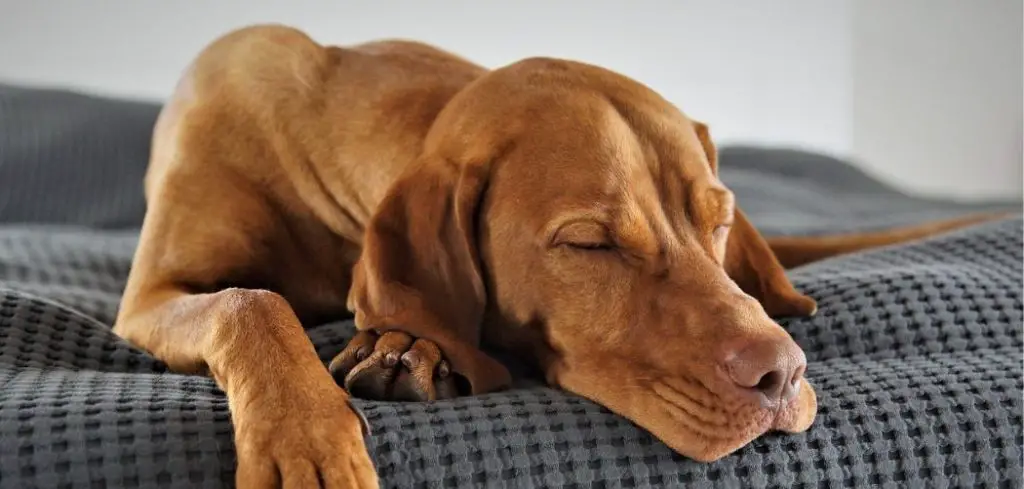
Dog Only Has Diarrhea at Night but Acting Normal
A dog that only has diarrhea at night but otherwise acts normal may be experiencing mild digestive irritation, dietary sensitivity, or stress-related colitis.
Some dogs develop gastrointestinal overactivity during rest periods when the gut slows down and becomes more sensitive.
Eating late meals, rich treats, or sudden diet changes can also trigger nighttime loose stools.
If the dog remains active, eats well, and shows no vomiting or lethargy, it may be a mild issue—but recurring nighttime diarrhea should still be investigated to rule out parasites, food intolerance, or chronic bowel inflammation.
Dog Only Has Diarrhea at Night: Common Causes
Food Sensitivities or Intolerances
Some dogs develop sensitivities to specific ingredients, such as certain proteins, grains, or artificial additives.
When these foods are eaten later in the day, digestion may trigger irritation in the intestines that shows up overnight.
You may notice loose stools that happen regularly around bedtime or in the middle of the night. Food-related diarrhea often improves once the problematic ingredient is identified and removed.
Read more: Dog Only Has Diarrhea in the Morning (What it means)
Feeding Schedule and Large Evening Meals
A dog that eats its largest meal at night may be more prone to digestive upset during sleep.
A sudden overload of food can overwhelm the stomach and intestines, leading to diarrhea a few hours later.
This is especially common in dogs that eat quickly or consume fatty, rich foods in the evening. Owners may notice that diarrhea stops or improves when meals are spaced out more evenly.
Stress or Anxiety
Dogs can also develop diarrhea at night due to stress or anxiety. Separation anxiety, changes in household routine, or even nighttime noises can contribute to digestive upset.
Stress triggers changes in gut motility, which may result in loose stools during sleeping hours.
Dogs experiencing anxiety may also pace, whine, or have trouble settling at night, in addition to diarrhea.
Gastrointestinal Infections
Bacterial, viral, or parasitic infections can cause diarrhea at any time, but some dogs show more symptoms at night.
Parasites such as Giardia or whipworms can irritate the intestines, leading to periodic flare-ups.
Infections may also cause other signs like lethargy, loss of appetite, or vomiting. Left untreated, these conditions can worsen and lead to dehydration.
Pancreatitis
Pancreatitis, or inflammation of the pancreas, can cause bouts of diarrhea that sometimes occur at night.
Dogs with pancreatitis may also vomit, lose their appetite, or show signs of abdominal pain.
Rich or fatty foods often trigger flare-ups, and nighttime diarrhea may be linked to what was eaten earlier in the day. Pancreatitis is a serious condition that requires veterinary treatment.
Inflammatory Bowel Disease (IBD)
Chronic digestive issues such as inflammatory bowel disease can lead to diarrhea at specific times of the day, including at night.
IBD occurs when the intestinal lining becomes inflamed and struggles to process food properly. Dogs with IBD often have ongoing loose stools, weight loss, and inconsistent appetite.
Nighttime diarrhea may be one of the recurring patterns linked to this chronic condition.
Dog Having Diarrhea Every 2 Hours at Night
Frequent diarrhea every 2 hours at night suggests significant intestinal irritation or infection. Common causes include bacterial or viral infections, parasites, dietary indiscretion, pancreatitis, or severe food intolerance.
This frequency can quickly lead to dehydration, especially if the dog is also not eating or drinking properly.
This pattern is more serious than occasional diarrhea and usually requires veterinary assessment, particularly if it continues beyond a few hours or is accompanied by weakness, vomiting, or blood in the stool.
Puppy Only Has Diarrhea at Night
A puppy with nighttime-only diarrhea may be reacting to diet changes, parasites, stress, or an immature digestive system.
Puppies are especially sensitive to food timing, new foods, and environmental changes, which can cause loose stools that appear at specific times.
Nighttime diarrhea can also occur if meals are too large or too late in the evening.
Because puppies dehydrate quickly, even mild or intermittent diarrhea should be monitored closely and evaluated if it persists or worsens.
Old Dog Only Has Diarrhea at Night
An older dog that develops diarrhea only at night may be experiencing age-related digestive slowdown, food sensitivity, medication side effects, or chronic conditions such as inflammatory bowel disease or organ dysfunction.
Nighttime symptoms can become more noticeable when the dog is resting and gut motility changes.
In senior dogs, recurring diarrhea should not be ignored, even if it is mild, as it may indicate an underlying chronic illness that needs veterinary management.
Dog Only Has Diarrhea at Night: What to Do
If your dog has nighttime diarrhea, the first step is to review its diet. Avoid feeding large or fatty meals late in the evening, and instead try smaller, more frequent feedings throughout the day.
Switching to a bland diet, such as boiled chicken and rice, can sometimes help soothe the digestive system while symptoms resolve.
Provide plenty of fresh water to prevent dehydration, as dogs with diarrhea lose fluids quickly. Adding a canine-safe probiotic may also help restore gut balance and reduce nighttime flare-ups.
If stress seems to be a trigger, consider creating a calmer nighttime environment with routine, soft lighting, and reduced household activity.
If your dog recently ate something unusual or was given table scraps, eliminating that food may resolve the issue. However, if symptoms continue for more than a couple of days, it is best to contact your veterinarian for further evaluation.
When to Call or Visit Your Vet
You should contact your veterinarian if nighttime diarrhea persists for more than two nights or if your dog shows additional concerning symptoms. Repeated diarrhea can quickly cause dehydration, especially in puppies, senior dogs, or dogs with existing health issues.
Seek urgent veterinary care if your dog’s diarrhea contains blood, is accompanied by vomiting, or if your dog becomes weak, lethargic, or refuses food and water. Sudden onset of severe abdominal pain or bloating also requires immediate medical attention.
Chronic cases, where nighttime diarrhea occurs regularly over weeks, should always be evaluated by a vet.
Underlying issues like infections, parasites, or inflammatory bowel disease may need diagnostic testing and long-term management.
Read more: Dog Only Drinking Water and Not Eating (Here’s why)
Key Takeaway
Nighttime diarrhea in dogs is not only inconvenient but also a potential sign of underlying health concerns. While diet and stress are common triggers, conditions like infections, pancreatitis, or inflammatory bowel disease may also be responsible.
By monitoring your dog’s eating habits, reducing evening stress, and providing supportive care at home, you may be able to ease symptoms. However, persistent or severe cases always require veterinary attention.
Acting early ensures your dog gets the right treatment and avoids complications like dehydration or ongoing discomfort.


