
When a dog hasn’t had a bowel movement for several days, it can cause concern for many dog owners, even if the dog seems perfectly healthy otherwise.
Lack of defecation might indicate minor digestive changes, diet variations, or less obvious health issues that could benefit from monitoring.
We explain the most common reasons why a dog may not poop but act normal, what you can do, and when to involve your veterinarian.
Dog Hasn't Pooped but Is Acting Normal: Why It Happens
A dog that hasn’t pooped but is acting normal may simply be experiencing mild constipation, changes in diet, or variations in daily activity, but there are also underlying medical causes that could be involved.
Occasional delays in bowel movements are common, especially if a dog is eating less fiber, drinking less water, or exercising less.
However, some dogs may continue normal behavior while having minor intestinal blockages, slow gut motility, or other digestive irregularities.
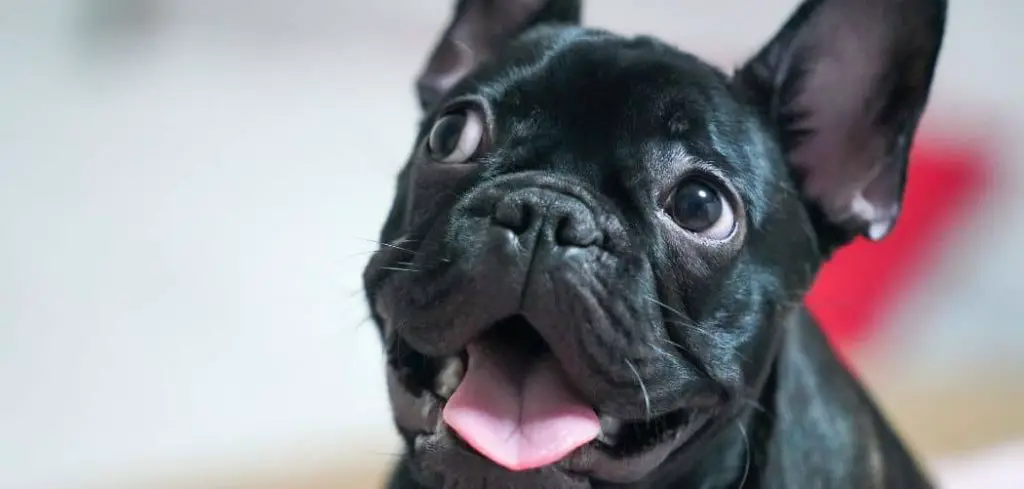
Dog Hasn’t Pooped but Is Acting Normal: Common Causes
Mild Constipation
Mild constipation is one of the most frequent reasons a dog may go several days without a bowel movement.
Low fiber intake, dehydration, or minor changes in routine can slow the digestive system, making stool harder and more difficult to pass.
Dogs often continue eating, playing, and acting normally while experiencing mild constipation, but the delay in defecation is usually temporary and resolves with proper hydration and dietary adjustments.
Related: Dog not pooping (Common causes explained)
Recent Dietary Changes
Changes in diet, such as switching food brands or types, can temporarily disrupt normal bowel habits.
New ingredients or different fiber levels can affect stool consistency and frequency. Even if your dog seems normal, her digestive system may need several days to adjust.
Monitoring her bowel movements and gradually transitioning foods can help prevent ongoing delays.
Reduced Water Intake
Inadequate water consumption can contribute to less frequent or harder stools. Water helps soften stool and promotes healthy bowel movements.
Dogs that are drinking less may not show obvious signs of discomfort, but their stools can become drier, making defecation more difficult.
Encouraging water intake and providing moist food options can help maintain normal digestive function.
Low Activity Levels
Reduced exercise or limited physical activity can slow gastrointestinal motility. Dogs that are less active, whether due to weather, age, or temporary lifestyle changes, may experience slower bowel movements.
They may appear normal and playful indoors, but the lack of regular movement can influence how quickly food moves through the digestive tract.
Incorporating light daily exercise can help restore regular bowel habits.
Stress or Environmental Changes
Stress from travel, boarding, new people, or changes at home can temporarily alter bathroom habits.
Even if your dog seems cheerful and maintains a normal appetite, stress can slow gut motility and delay defecation. Monitoring your dog’s routine and providing a calm, predictable environment can encourage normal bowel activity and prevent long-term disruption.
Intestinal Blockage
Although less common, a partial blockage from swallowed objects or indigestible materials can prevent regular defecation.
Dogs may continue acting normal initially, hiding discomfort until the blockage worsens.
Other signs such as occasional gagging, straining, or mild vomiting may appear. Early detection is important to avoid serious complications and may require veterinary intervention.
Related: Dog pooping mucus but acting normal (Here’s why)
What to Do If Your Dog Hasn’t Pooped but Is Acting Normal
Start by observing your dog’s daily behavior, appetite, and water intake. Ensure she has access to plenty of fresh water and provide fiber-rich foods or occasional pumpkin puree to aid digestion. Encourage regular exercise, even short walks, to stimulate intestinal motility.
Maintain a calm, stress-free environment and avoid sudden changes in routine. You can also monitor the timing and consistency of any stool once it occurs, making notes to share with your veterinarian if the issue persists.
When to Call or Visit Your Vet
Contact your veterinarian if your dog hasn’t pooped for more than a few days, especially if she shows signs of discomfort, vomiting, lethargy, straining, or unusual abdominal swelling.
Persistent constipation, potential blockages, or underlying gastrointestinal conditions require professional evaluation.
Even if your dog appears normal, prolonged absence of bowel movements combined with subtle behavioral changes may indicate a more serious problem that benefits from early veterinary attention.
Diagnostic tests, such as X-rays, ultrasound, or blood work, can help identify underlying causes and guide treatment.
Read more: Dog pooping bloody mucus but acting normal (Here’s why)
Key Takeaway
A dog who hasn’t pooped but is acting normal may be experiencing mild constipation, dietary adjustments, reduced water intake, low activity, stress, or, in rarer cases, a partial intestinal blockage.
While your dog may appear healthy, keeping a close eye on her bowel habits, appetite, and overall behavior is important.
Encouraging hydration, providing fiber-rich food, maintaining daily exercise, and monitoring for subtle signs of distress can help ensure your dog’s digestive health.
If the issue persists or is accompanied by concerning symptoms, timely veterinary care is essential to identify and address any underlying problems.