
When your dog has not pooped in 2 days, it is a clear sign that something may be interfering with normal digestion and bowel movement.
While occasional delays can happen, going this long without passing stool increases the risk of constipation and intestinal discomfort.
Table of Contents
Dog Has Not Pooped in 2 Days: Why It Happens
A dog that has not pooped in 2 days is usually experiencing slowed intestinal movement, developing constipation, dehydration, reduced food intake, or an underlying digestive or medical problem.
When stool remains in the colon for too long, excess water is absorbed, making it hard and difficult to pass. Stress, inactivity, pain, and dietary changes can all disrupt normal bowel patterns.
If the delay continues, pressure builds in the intestines and can lead to pain, straining, and more serious complications.
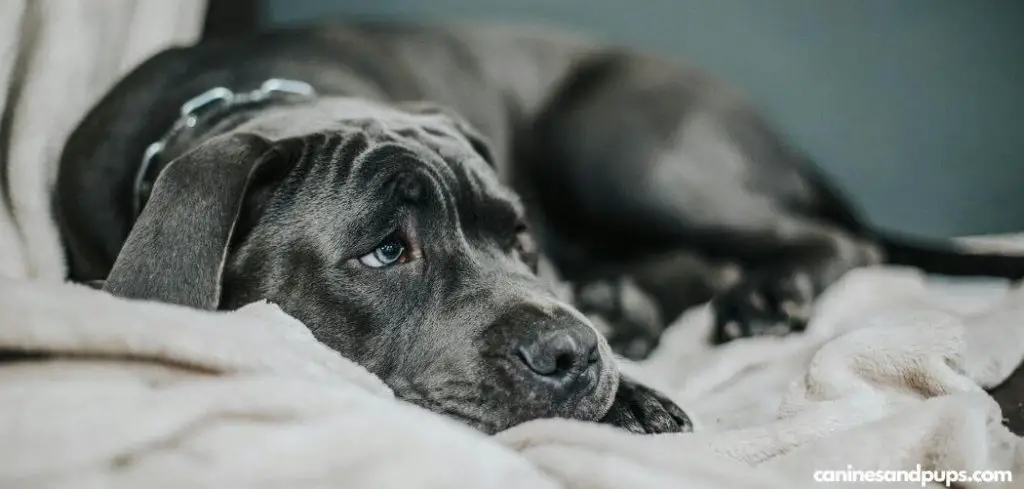
Dog Has Not Pooped in 2 Days: Common Causes
Moderate to Worsening Constipation
The most frequent cause of a dog not pooping for 2 days is progressing constipation. As stool sits in the colon, it becomes increasingly dry and compacted.
This makes each attempt to defecate more uncomfortable, causing many dogs to avoid trying altogether.
You may notice repeated squatting without results, crying, stiffness, or restlessness. Over time, untreated constipation can turn into fecal impaction, which requires veterinary treatment.
Related: Dog has not pooped in 24 hours (When to worry)
Chronic or Significant Dehydration
Ongoing dehydration greatly increases the risk of constipation. When the body lacks fluids, it prioritizes vital organs and removes moisture from stool, leaving it dry and hard.
Dogs with kidney disease, diabetes, vomiting, diarrhea, or reduced water intake are especially vulnerable.
Signs may include dry gums, lethargy, sunken eyes, and concentrated urine along with reduced bowel movements.
Insufficient Fiber or Imbalanced Diet
Fiber plays an important role in forming healthy stool. Diets that are too low in fiber, poorly balanced, or abruptly changed can disrupt intestinal movement.
Some dogs fed primarily table scraps, raw diets, or highly processed foods may struggle with stool formation.
Without proper bulk, the colon does not contract efficiently, slowing elimination.
Pain, Mobility Problems, or Orthopedic Issues
Dogs with arthritis, hip dysplasia, spinal problems, or recent injuries may avoid posturing to defecate because it is painful. Holding stool leads to worsening constipation.
These dogs may appear stiff, reluctant to squat, slow to rise, or hesitant to go outside. Pain management is often necessary before bowel habits improve.
Stress, Anxiety, and Behavioral Holding
Some dogs intentionally hold stool due to stress, fear, or environmental changes. Boarding, travel, loud noises, new pets, or changes in routine can suppress the urge to defecate.
Over time, voluntary holding dries out stool and creates physical constipation. These dogs may seem anxious, withdrawn, or unsettled.
Partial Intestinal Obstruction or Medical Disease
A more serious cause is partial blockage from swallowed objects, bones, hair, tumors, or intestinal inflammation. Certain neurological and metabolic disorders can also slow bowel movement.
Dogs with obstructions often show vomiting, bloating, appetite loss, weakness, or abdominal pain. This is a medical emergency and must be treated promptly.
Related: Dog pooping bloody mucus but acting normal (What it means)
What to Do If Your Dog Has Not Pooped in 2 Days
Start by increasing hydration. Encourage water intake by offering fresh bowls in multiple locations or adding low-sodium broth to meals. Proper hydration softens stool and supports intestinal movement.
Provide gentle exercise if your dog is able. Short walks and light activity stimulate bowel contractions and may help move stool along.
Feed a veterinarian-approved fiber source such as plain canned pumpkin or prescription fiber supplements. These can help bulk and soften stool when used appropriately.
Maintain a calm routine and give your dog ample time outside to relieve themselves without pressure. Avoid rushing or distracting them.
Do not give laxatives, enemas, or human medications without veterinary guidance, as improper use can cause serious injury.
When To Seek Veterinary Care
Contact your veterinarian if your dog has not pooped for more than 48 hours. At this point, professional evaluation is strongly recommended.
Seek urgent care if your dog strains repeatedly, cries, vomits, becomes bloated, stops eating, or shows signs of pain. These symptoms may indicate impaction or blockage.
Call your vet immediately if you see blood, dark stools, collapse, or sudden weakness. These are medical emergencies.
Dogs with chronic illness, senior dogs, and puppies should be evaluated sooner when bowel delays occur.
Related: Dog pooping mucus but acting normal (What it means)
Dog has not pooped in 2 days: Treatment
Veterinary treatment for a dog that hasn’t pooped in two days focuses on identifying and relieving the underlying cause.
A vet may perform a physical exam and abdominal palpation, followed by X-rays or ultrasound to check for constipation, fecal impaction, foreign bodies, or intestinal blockage.
Treatment can include fluids to correct dehydration, stool softeners or prescription laxatives, and in more severe cases, enemas or manual removal of impacted stool under sedation.
If pain, inflammation, or an obstruction is found, additional medications or surgical intervention may be necessary.
Key Takeaway
When a dog has not pooped in 2 days, constipation is usually developing and should not be ignored. Dehydration, diet, pain, stress, and digestive disease are common contributors.
Early action and veterinary guidance can prevent serious complications and restore healthy bowel function.