
When a dog has not eaten in 2 days, it is a strong signal that something may be affecting their physical comfort, emotional state, or internal health.
While skipping one meal is often harmless, refusing food for 48 hours increases the risk of dehydration, weakness, and nutrient deficiency.
Prolonged appetite loss should never be ignored, especially if other symptoms are present.
Table of Contents
Dog Has Not Eaten in 2 Days: Why It Happens
A dog that has not eaten in 2 days is usually experiencing nausea, pain, infection, stress, digestive upset, or an underlying medical condition that is suppressing appetite. When a dog feels unwell, the body naturally reduces food intake to conserve energy and limit further irritation.
Dental problems, gastrointestinal inflammation, hormonal imbalance, and emotional distress can all interfere with normal eating behavior.
If appetite does not return quickly, dehydration and metabolic imbalance may follow.
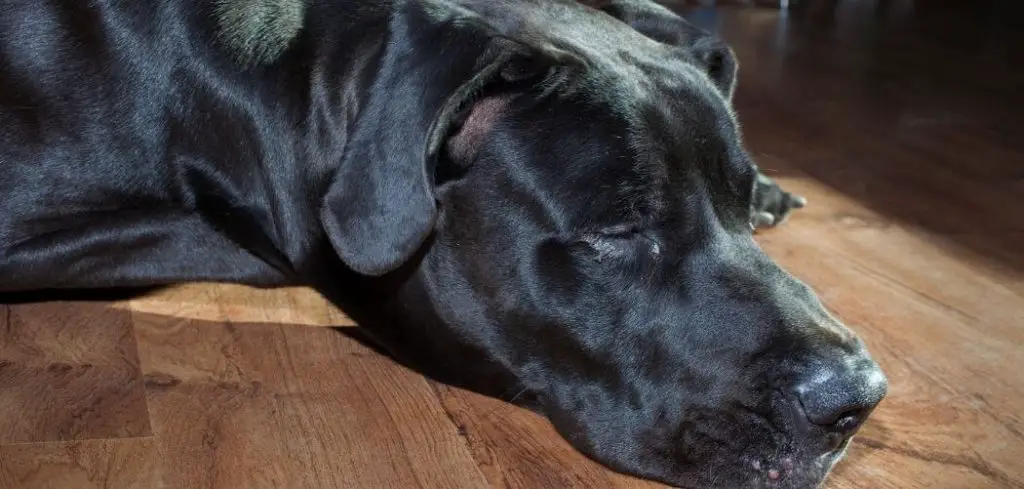
Dog Has Not Eaten in 2 Days: Common Causes
Gastrointestinal Upset and Nausea
Digestive irritation is one of the most common reasons dogs stop eating for multiple days. Inflammation of the stomach or intestines, dietary indiscretion, food intolerance, or mild poisoning can cause nausea and discomfort.
Affected dogs may lick their lips, swallow frequently, drool, vomit, or appear hesitant around food. Even without vomiting, persistent nausea can strongly suppress appetite and lead to weakness.
Untreated gastrointestinal issues may worsen and progress to dehydration or intestinal damage.
Read more: Dog Suddenly Not Eating and Vomiting (Warning signs explained)
Dental Disease and Oral Pain
Pain in the mouth makes eating uncomfortable and discouraging. Broken teeth, gum infections, oral ulcers, abscesses, and foreign objects can all interfere with chewing.
Dogs with dental pain may sniff food and walk away, drop kibble, chew on one side, paw at their mouth, or have bad breath. Over time, reduced intake can lead to weight loss and muscle wasting.
Oral infections can spread to the bloodstream if left untreated.
Infection and Systemic Illness
Bacterial, viral, and parasitic infections frequently cause appetite loss. Fever, inflammation, and immune activation alter metabolism and suppress hunger.
Dogs with infection may also appear lethargic, weak, depressed, or sensitive to touch. Respiratory, urinary, skin, and internal organ infections can all reduce appetite.
Prolonged illness without treatment can result in organ damage and prolonged recovery.
Pain and Musculoskeletal Discomfort
Dogs experiencing pain often stop eating because discomfort overwhelms hunger signals. Arthritis, spinal disease, injuries, abdominal pain, or post-surgical soreness can all reduce appetite.
These dogs may move stiffly, avoid jumping, hide, tremble, or resist handling. Pain-related anorexia may persist until proper pain management is provided.
Chronic pain leads to long-term appetite suppression and poor quality of life.
Stress, Anxiety, and Environmental Changes
Psychological stress strongly affects appetite. Changes in routine, moving homes, boarding, new pets, loud noises, or separation anxiety can cause dogs to refuse food.
Stressed dogs may pace, pant, hide, whine, or become withdrawn. Some appear otherwise healthy but simply lose interest in eating.
Chronic stress can weaken immunity and worsen digestive function.
Metabolic and Organ Disease
Diseases affecting the liver, kidneys, pancreas, or endocrine system often present with appetite loss. Conditions such as kidney failure, liver disease, pancreatitis, and diabetes disrupt normal metabolism.
Dogs may show vomiting, increased thirst, weight loss, changes in urination, bad breath, or jaundice. Appetite loss is often an early warning sign.
Delayed diagnosis can allow irreversible organ damage to develop.
Related: Old dog not eating (Why it happens)
What to Do If Your Dog Has Not Eaten in 2 Days
Start by offering small portions of bland, easily digestible food such as boiled chicken and plain rice, if approved by your veterinarian. Strong-smelling foods may stimulate appetite.
Ensure constant access to fresh water and monitor hydration closely. Dehydration worsens nausea and weakness.
Create a calm feeding environment free from noise, pressure, or competition. Anxiety can suppress appetite even in healthy dogs.
Warm food slightly to enhance aroma, but never serve it hot. Increased scent may encourage interest.
Observe closely for vomiting, diarrhea, pain, or behavioral changes and record any additional symptoms.
Do not force-feed unless instructed by a veterinarian, as this may cause aspiration or stress-related aversion.
When to Seek Veterinary Care
Contact your veterinarian if your dog has refused food for 48 hours, even if they appear otherwise normal.
Seek immediate care if appetite loss is accompanied by vomiting, diarrhea, fever, weakness, collapse, abdominal pain, or difficulty breathing.
Emergency evaluation is needed if your dog stops drinking, loses weight rapidly, has pale gums, or becomes unresponsive.
Puppies, senior dogs, and dogs with chronic conditions should be examined sooner when appetite loss occurs.
Diagnostic testing may include blood work, imaging, dental exams, and infection screening to identify underlying causes.
Related: Dog only drinking water and not eating (Causes and when to worry)
Key Takeaway
When a dog has not eaten in 2 days, it is often a sign of nausea, pain, infection, stress, or organ disease.
While minor issues may resolve quickly, prolonged appetite loss can quickly compromise health. Early veterinary evaluation helps restore comfort, nutrition, and long-term well-being.