
Raised, itchy-looking bumps across the body can be alarming, yet your dog is eating, playing, and wagging as though nothing happened.
That mismatch is confusing, and it leaves many owners wondering whether a cheerful dog means there is nothing to worry about or whether the bumps still deserve attention.
A normal mood is encouraging, but it is only one part of the picture. Hives are the body’s reaction to something it has responded to, and understanding what they mean helps you make calm, informed decisions rather than guessing.
Learning how much reassurance good behavior really offers is the first step toward knowing what to do next.
Table of Contents
Dog Has Hives but Acting Normal: What It Means
A dog can develop hives while acting completely normal because the allergic reaction may initially be limited to the skin. When the immune system reacts to a trigger, it releases histamine and other substances that cause small areas of swelling beneath the skin.
These raised welts can appear within minutes or hours of exposure and may be itchy or cause no obvious discomfort.
A dog may continue eating, drinking, walking, and playing because the reaction has not affected other body systems.
However, skin symptoms alone cannot reliably predict whether the reaction will remain mild. In some cases, hives occur alongside swelling of the face or other signs of a potentially serious allergic reaction.
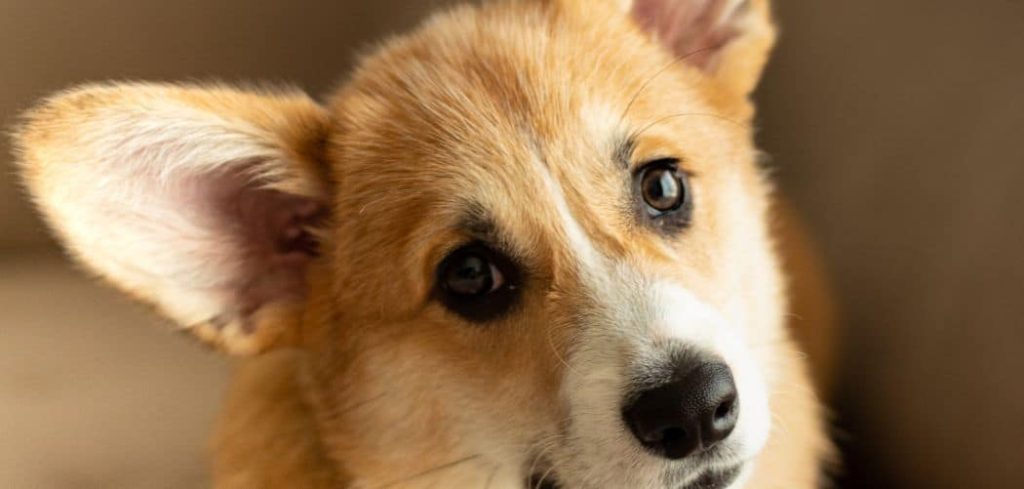
Dog Having Hives but Acting Normal: Causes
1. Insect Bites and Stings
Insect bites and stings are common triggers of sudden hives in dogs.
Mosquitoes, ants, bees, wasps, and other insects can cause localized irritation or an allergic response that produces raised bumps on the skin.
Welts around the face, muzzle, ears, neck, legs, or other exposed areas may be noticed. Some dogs develop widespread hives even though they continue behaving normally.
Pay particular attention to swelling around the eyes, lips, and muzzle because an allergic reaction to an insect sting can sometimes progress and affect breathing.
Read more: Allergic hives in dogs (Signs, causes and treatment)
2. Allergic Reaction to Food
Some dogs develop hives after eating something that triggers an allergic reaction.
This may happen after trying a new food, treat, table scrap, or another edible product. However, the timing of a reaction does not always identify the exact ingredient responsible.
A dog may develop raised, itchy welts while continuing to eat and behave normally.
If the hives appeared shortly after a new food or treat, tell your veterinarian what your dog ate and when the reaction began. Do not deliberately offer the suspected food again to test whether the reaction returns.
Related: Dog excessively itching but with no fleas (Here’s why)
3. Reaction to Vaccinations
Some dogs develop hives following vaccination because their immune system reacts to something associated with the vaccine.
The welts may appear on the body, face, or neck, sometimes accompanied by swelling around the eyes or muzzle.
A dog may initially seem normal apart from the raised bumps.
If hives develop after vaccination, contact your veterinarian immediately. Even if the reaction appears mild, the veterinarian needs to assess whether treatment or monitoring is necessary and document the reaction before future vaccinations.
4. Medication Reactions
Certain medications can trigger allergic reactions in dogs.
These may include antibiotics, pain medications, and other prescription treatments. Hives can appear shortly after a medication is given, although the timing varies.
Your dog may continue behaving normally while the skin reaction is developing.
If you notice hives after starting a new medication, contact the prescribing veterinarian before giving another dose. Do not independently change or combine medications.
5. Reaction to Shampoo or Grooming Products
A new shampoo, conditioner, grooming spray, or topical product may irritate your dog’s skin or trigger an allergic reaction.
Hives may develop after bathing or grooming, particularly on areas that came into contact with the product.
You may notice raised bumps across the back, belly, neck, legs, or other parts of the body.
If the reaction follows a grooming product, inform your veterinarian and provide the product’s name or ingredient list. Ask whether the product should be rinsed off rather than applying additional skin treatments.
6. Contact With Plants and Chemicals
Dogs can develop hives after coming into contact with substances in their surroundings.
Certain plants, cleaning products, garden chemicals, and other environmental substances may trigger skin reactions.
The bumps may appear on the belly, legs, paws, muzzle, or other areas that came into contact with the substance.
If your dog developed hives after playing outside, walking through vegetation, or entering a recently cleaned area, consider whether a new exposure could be responsible.
7. Environmental Allergens
Environmental allergens can sometimes trigger hives in dogs.
Possible triggers include pollen, molds, and other substances in the surrounding environment.
The reaction may occur after spending time outdoors, visiting a new location, or coming into contact with a particular environmental trigger.
Some dogs experience itching alongside the raised welts, while others show very little discomfort.
8. Heat, Exercise, or Physical Pressure
Not every episode of hives is caused by a conventional allergy.
Heat, exercise, friction, pressure, sunlight, and stress can trigger or intensify certain urticarial reactions in susceptible dogs.
For example, a dog may develop raised welts after vigorous activity, exposure to hot conditions, or pressure against the skin.
If the bumps repeatedly appear after a particular activity, record the circumstances and discuss the pattern with your veterinarian.
Related: Dog has lump but acting normal (Here’s why)
Dog Has Hives but Is Acting Normal and Not Itching
Hives do not always cause noticeable itching. Although many dogs scratch or rub the affected areas, some develop raised welts without appearing uncomfortable.
Your dog may continue playing, eating, and resting normally while the bumps remain visible.
This does not necessarily mean the reaction is harmless. Hives can occur without itching and may still be associated with an allergic response that needs veterinary attention.
Dog Has Hives but Is Acting Normal and the Bumps Are Disappearing
Hives can appear suddenly and disappear within a few hours as the allergic reaction settles.
Some mild cases resolve without treatment, although the bumps can return if the dog is exposed to the same trigger again.
Even if the welts are disappearing and your dog seems fine, contact your veterinarian and explain what happened. A reaction that appears to have resolved should still be documented, particularly if it followed medication or vaccination.
Dog Has Hives but Is Acting Normal After a Walk
When a dog develops hives after a walk but continues behaving normally, possible causes include contact with insects, plants, pollen, or other environmental substances.
Insect bites and stings are particularly important possibilities when the bumps appear suddenly around the face, neck, or legs.
Check whether the hives appeared shortly after walking through grass, visiting a new location, or encountering insects.
Avoid further exposure to a suspected trigger until you have spoken with your veterinarian.
Dog Has Hives but Is Acting Normal: What to Do
1. Contact Your Veterinarian Immediately
Even when your dog seems perfectly comfortable, new hives should be discussed with a veterinarian.
Describe when the bumps appeared, where they are located, and whether they are spreading or disappearing.
Your veterinarian can advise whether your dog needs an examination and treatment.
2. Take Photographs of the Hives
Hives can change or disappear relatively quickly, so take clear photographs when you first notice them.
Photographs can help your veterinarian understand the appearance and distribution of the welts, particularly if they have started fading before the examination.
3. Think About Recent Exposures
Consider anything that happened shortly before the hives appeared.
Your dog may have received a vaccination, started a medication, eaten a new treat, used a different shampoo, or encountered insects or plants.
Write down the timing of these exposures and share the information with your veterinarian.
4. Keep Your Dog Comfortable
Keep your dog in a comfortable environment and avoid strenuous activity or exposure to excessive heat while arranging veterinary advice.
If the skin appears irritated, prevent excessive scratching or rubbing where possible.
Avoid applying human creams, essential oils, or other skin products unless your veterinarian recommends them.
5. Do Not Give Medication Without Veterinary Advice
Antihistamines and corticosteroids are sometimes used to treat hives in dogs, but the appropriate treatment depends on the individual dog and the severity of the reaction.
Do not give human allergy medication or combine medications without veterinary instructions. Some products contain additional ingredients that may be unsuitable for dogs.
If your dog has already received medication and the hives appeared afterward, contact the prescribing veterinarian before giving another dose.
When to Call or Visit Your Vet
Hives need immediate veterinary advice even when your dog is acting normally.
The concern is that an allergic reaction can sometimes progress beyond the skin and cause swelling or affect other body systems.
Seek immediate emergency veterinary care if your dog develops:
Swelling around the muzzle, lips, eyes, or throat.
Difficulty breathing, noisy breathing, or unusual respiratory effort.
Excessive drooling or difficulty swallowing.
Repeated vomiting or sudden diarrhea following a suspected allergic exposure.
Sudden weakness, collapse, or inability to stand.
Pale gums or signs of poor circulation.
Rapidly worsening swelling or widespread allergic symptoms.
These signs may indicate anaphylaxis, a severe allergic reaction that requires emergency treatment. Do not wait for your dog to become visibly distressed before seeking help.
Dog Has Hives but Is Acting Normal: Treatment
Treatment depends on the severity of the reaction and what triggered it. Your veterinarian will examine the skin, assess whether there is facial or other swelling, and ask about recent vaccinations, medications, foods, insect bites, and environmental exposures.
Mild cases may resolve within 12–48 hours, but veterinarians may recommend treatment rather than waiting because the reaction can worsen unpredictably.
Treatment may include veterinary-administered antihistamines or corticosteroids, depending on the dog’s condition. If anaphylaxis develops, emergency treatment and supportive care are necessary.
Recurrent episodes may require further investigation to identify possible environmental, food-related, or medication triggers.
Key Takeaway
If your dog has hives but is acting normal, an allergic skin reaction is a common explanation. Insect bites, vaccinations, medications, food reactions, grooming products, and environmental exposures can all trigger raised skin welts.
Your dog may continue eating, playing, and behaving normally because the reaction is initially limited to the skin.
However, normal behavior does not guarantee that the allergic reaction will remain mild. Contact your veterinarian promptly, even if the bumps appear to be disappearing.
Watch carefully for facial swelling, breathing difficulties, vomiting, weakness, or collapse, as these require emergency veterinary attention.


