
Hives can appear on a dog with little warning: raised, itchy bumps scattered across the body, a puffy face, or fur that suddenly looks patchy and lumpy. Many owners react with alarm, especially when the change comes on within hours of a walk, a meal, or a new product in the home.
Most cases are mild and settle with prompt care, but hives are the body’s response to something it has reacted against, and that reaction can sometimes escalate.
We’ll explain what hives look like on a dog, which signs make them urgent, what to do in the first few minutes, treatment, how recovery works, and how to lower the chance of a repeat.
Table of Contents
Allergic Hives in Dogs: Why It Happens
Allergic hives in dogs occur when the immune system reacts to a trigger by releasing substances such as histamine, which cause localized swelling and raised, often itchy welts on the skin.
These reactions can develop within minutes or hours of exposure to an insect sting, medication, vaccine, food allergen, shampoo, plant, or other substance.
The bumps may appear suddenly, spread across several areas of the body, and sometimes disappear within hours.
However, hives can occur alongside facial swelling or, less commonly, a serious whole-body allergic reaction called anaphylaxis.
Because the severity of a reaction cannot always be predicted from the skin symptoms alone, sudden hives should be discussed with a veterinarian immediately.
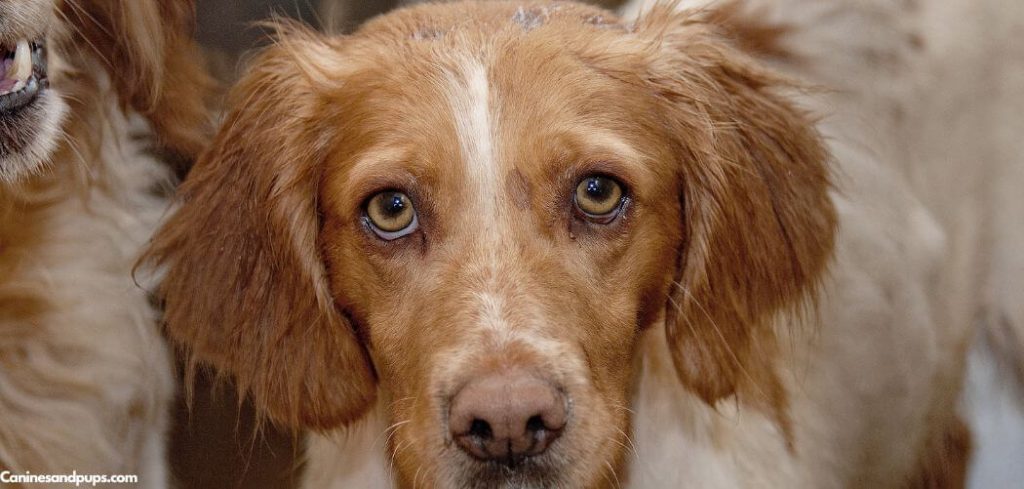
Allergic Hives in Dogs: Symptoms
Hives, also known as urticaria, typically appear as raised areas of skin that may be red, swollen, and itchy. They can develop suddenly and affect one area or several parts of the body.
Common signs include:
Raised skin welts: Bumps that may vary in size and sometimes merge together.
Intense itching: Scratching, rubbing, rolling, or licking affected areas.
Facial swelling: Puffiness around the eyes, muzzle, lips, or ears.
Redness: Inflamed-looking skin around the welts.
Raised fur: Small swellings that make the coat appear uneven or bumpy.
Sudden onset: Symptoms appearing within minutes or hours of exposure to a trigger.
Some dogs have only skin symptoms, while others develop swelling or signs affecting other parts of the body.
Hives can sometimes fade within hours, but they may recur if the trigger remains present.
If hives appear with breathing difficulty, collapse, repeated vomiting, diarrhea, pale gums, or rapidly increasing facial swelling, seek emergency veterinary care immediately. These may indicate a severe allergic reaction.
Related: Dog excessively itching but no fleas (What it means)
What Hives Look Like on a Dog
Hives on a dog appear as raised, round or oval bumps of varying sizes that may cause redness, itching, or scratching.
The fur may stand up in patches over the lumps, making the coat look uneven. Hives can also cause swelling of the face, muzzle, lips, or eyelids.
They are often easiest to spot on thin-coated or light-skinned areas, such as the belly, groin, and ears.
To check for hidden welts, gently part the fur or run your hand lightly over the coat to feel for raised bumps.
Hives vs. Other Skin Problems in Dogs:
Skin problem | Typical appearance | How it differs from hives |
|---|---|---|
Hives (urticaria) | Sudden, raised welts that may appear and disappear within hours | Often change shape or location quickly |
Flea bites | Small, itchy bumps, often around the lower back, tail base, and hindquarters | May persist and recur while fleas remain present |
Hot spots | Red, moist, inflamed, sometimes oozing patches | Usually develop into raw, painful areas and do not disappear within hours |
Mange | Itching, redness, crusting, and hair loss in affected areas | Often persists or worsens without treatment; appearance depends on the mite type |
Ringworm | Patches of hair loss, scaling, or broken hairs, sometimes ring-shaped | Typically develops and persists over days or weeks rather than appearing suddenly and fading quickly |
These conditions can look similar, and more than one problem may occur at the same time.
Allergic Hives in Dogs: Common Causes
1. Insect Bites and Stings
Insect bites and stings are common triggers of sudden hives in dogs. Bees, wasps, and other biting or stinging insects can cause an allergic reaction that leads to raised bumps, itching, and swelling.
Hives may appear on the face, ears, legs, belly, or other parts of the body. If your dog has been stung near the mouth or neck, swelling may affect the airways and become dangerous.
Contact your veterinarian immediately if hives develop after a suspected sting. Facial swelling, excessive drooling, vomiting, difficulty breathing, or collapse requires emergency veterinary care.
Related: Dog losing hair and itching (Causes and treatment)
2. Allergic Reactions to Medications
Some dogs develop hives after receiving a medication or being exposed to a particular drug.
The reaction may occur after a new prescription, an injection, or another medication exposure.
You may notice sudden itching, raised welts, facial swelling, or redness of the skin. The timing and severity can vary, and the appearance of hives does not identify which medication caused the reaction.
If your dog develops hives after taking medication, contact your veterinarian immediately for instructions before giving another dose.
Do not independently substitute a different medicine or give human allergy medication.
3. Vaccination Reactions
Occasionally, a dog develops hives after vaccination as the immune system responds to something in the vaccine.
Signs may include raised bumps, facial swelling, itching, or swelling around the eyes and muzzle.
Some reactions appear soon after vaccination, although timing can vary. Most vaccination reactions are not severe, but an allergic reaction can sometimes progress rapidly.
If you notice hives after your dog’s vaccination, contact the veterinary clinic that administered it.
Seek emergency care if your dog develops difficulty breathing, repeated vomiting, collapse, or substantial swelling around the face or throat.
Tell your veterinarian about the reaction before future vaccinations so an appropriate plan can be made.
Read more: Dog itching after vaccines (Here’s why)
4. Food Allergies
Some dogs develop allergic reactions to ingredients in their food. A food allergy may cause itching, recurring skin problems, ear inflammation, or digestive symptoms.
Sudden hives can occur with an allergic reaction, but recurring skin irritation is not necessarily caused by food. Fleas, environmental allergens, infections, and other skin conditions can look similar.
If you suspect a food trigger, discuss it with your veterinarian before making major dietary changes.
A structured elimination diet may be recommended when a food allergy is suspected, rather than switching foods repeatedly.
5. Shampoos, Cleaning Products, and Contact Irritants
A dog’s skin may react after exposure to a new shampoo, topical product, cleaning agent, plant, or chemical.
Some exposures cause irritation directly, while others trigger an allergic response.
Hives or raised bumps may appear in areas that contacted the substance, although a more widespread reaction is also possible. Your dog may scratch, rub against furniture, lick its paws, or develop redness.
If you suspect a product caused the reaction, stop further exposure. If the substance is on your dog’s coat or skin, contact your veterinarian for safe decontamination advice, particularly if it is a chemical or potentially corrosive product. Prevent your dog from licking the substance.
6. Environmental Allergens
Pollen, molds, and other environmental substances can trigger allergic reactions in some dogs.
Hives may develop after outdoor activity or contact with a particular environment, although the trigger is not always obvious.
Some dogs also experience ongoing itching, paw licking, or ear irritation associated with environmental allergies.
These chronic symptoms are not the same as an acute episode of hives, so the cause may require investigation.
If the hives keep returning, your veterinarian can review your dog’s exposure history and determine whether further allergy evaluation is appropriate. Avoid assuming that a seasonal pattern alone confirms a specific allergen.
Related: Dog licking paws excessively (Here’s why)
Allergic Hives in Dogs but Acting Normal
A dog with hives may continue eating, drinking, walking, and behaving normally. If the reaction is limited to the skin, the main signs may be raised bumps and itching.
However, normal behavior does not guarantee that the reaction will remain mild. Allergic reactions can change quickly, particularly when facial swelling or other symptoms develop.
Contact your veterinarian immediately when hives appear suddenly, even if your dog seems otherwise well.
Watch closely for changes in breathing, alertness, swelling, and digestive symptoms while arranging advice.
Allergic Hives in Dogs With a Swollen Face
Facial swelling can accompany an allergic reaction, particularly after an insect sting or exposure to a medication or other trigger. The muzzle, lips, eyelids, and area around the eyes may become puffy.
Swelling around the face can sometimes progress toward the throat and interfere with breathing. It is not possible to predict the seriousness of the reaction based on appearance alone.
Treat facial swelling accompanied by hives as urgent. If your dog has difficulty breathing or swallowing, excessive drooling, rapidly worsening swelling, or weakness, go to an emergency veterinarian immediately.
What to Do If Your Dog Has Allergic Hives
1. Contact Your Veterinarian immediately
Sudden hives can be a sign of an allergic reaction that may worsen. Call your veterinarian for advice as soon as you notice the bumps, even if your dog is currently acting normally.
If your dog has breathing difficulty, collapses, develops substantial facial swelling, or experiences repeated vomiting alongside the hives, do not wait for a routine appointment. Seek emergency veterinary care.
2. Consider What Your Dog Was Recently Exposed To
Think about whether your dog has recently received a vaccination or medication, been stung by an insect, tried a new food, or encountered a new shampoo or cleaning product.
Take photographs of the bumps and note when they first appeared. This information can help your veterinarian identify a possible trigger.
Do not deliberately expose your dog to the suspected substance again to see whether the hives return.
3. Prevent Further Contact With the Suspected Trigger
If you suspect a new shampoo, topical product, or environmental substance, prevent further exposure while seeking veterinary advice.
If a product remains on your dog’s skin, ask your veterinarian how to remove it safely. Avoid applying additional creams, essential oils, or household remedies, as these may irritate the skin or be harmful if licked.
4. Avoid Human Allergy Medicines Unless Directed
Do not give your dog human antihistamines or other allergy medications without veterinary guidance.
Some products contain additional ingredients that can be dangerous to dogs, and the correct treatment depends on the dog’s condition and the medication involved.
Your veterinarian can advise whether an antihistamine or another treatment is appropriate and determine whether more urgent care is needed.
5. Monitor Your Dog Closely
While arranging veterinary advice, watch for changes in breathing, facial swelling, alertness, vomiting, diarrhea, and overall behavior.
Even if the bumps begin to fade, tell your veterinarian what happened. Hives can resolve temporarily and then recur, and a previous mild reaction does not guarantee that a future reaction will be mild.
When to Call or Visit Your Vet
Seek emergency veterinary care immediately if your dog has:
Difficulty breathing, noisy breathing, or trouble swallowing.
Rapidly increasing swelling around the face, muzzle, tongue, or throat.
Collapse, severe weakness, or pale gums.
Repeated vomiting or diarrhea following a suspected allergen exposure, especially alongside hives or swelling.
Rapidly worsening symptoms after an insect sting, medication, or vaccination.
Contact your veterinarian immediately for sudden hives, persistent itching, recurring welts, or any suspected reaction after medication or vaccination.
Do not wait for hives to disappear on their own if your dog has other symptoms. A veterinarian can assess the reaction and determine whether treatment or observation is needed.
Allergic Hives in Dogs: Treatment
Treatment depends on the severity of the reaction and its likely cause. Your veterinarian will examine your dog, review recent exposures, and assess whether other body systems are affected.
Antihistamines may be used for uncomplicated allergic skin reactions, while other medications may be needed in selected cases.
Severe allergic reactions require emergency stabilization and may need treatments such as epinephrine, oxygen, and intravenous fluids.
If hives recur, your veterinarian may investigate environmental or food-related triggers and recommend a suitable management plan.
Home Care and Recovery
Giving Medication Exactly as Prescribed
Give antihistamines or steroids at the dose and schedule your vet set, and finish the full course even if the bumps fade quickly.
Never add human allergy medication on top unless your vet approves the product and dose.
Keeping Your Dog Calm and Cool
Heat and excitement can make itching and swelling worse, so keep your dog resting in a cool, quiet room. A cool, damp cloth on itchy areas can add comfort.
Preventing Scratching with a Cone or Soft Collar
Scratching and chewing can break the skin and lead to infection. A cone or soft collar keeps your dog from reaching irritated areas while the hives settle.
Typical Timeline
Many mild cases improve within hours to a couple of days with treatment. Hives that last longer than that, or keep returning, should be rechecked.
Watching for a Rebound or Recurrence
Hives can flare again once a medication wears off, or if your dog is exposed to the trigger again.
Check the skin and face a few times a day, and note when new bumps appear and what your dog was doing or eating.
When to Call Back or Book a Recheck
Call your vet if hives return, spread, or last beyond a couple of days, or if your dog develops vomiting, lethargy, or poor appetite. Go to an emergency clinic right away for facial swelling, breathing trouble, or collapse.
How to Prevent Allergic Hives in Dogs
Avoiding Known Triggers Once Identified
Once you and your vet pinpoint a trigger, such as a food, medication, or product, remove it from your dog’s routine. Add it to your dog’s medical record so every vet and groomer knows.
Introducing New Foods, Treats, and Products One at a Time
Add only one new item at a time and wait several days before trying another. If a reaction occurs, you’ll know which item caused it.
Keeping a Log of Reactions
Record the date, symptoms, what your dog ate or touched, and where they had been. Patterns in the log help your vet identify triggers faster.
Using Vet-Approved Flea and Tick Prevention
Choose products your vet recommends for your dog’s weight and age, since some over-the-counter treatments can cause skin reactions. Never use a product made for another species.
Supervising Time Outdoors Around Stinging Insects
Stay close when your dog is exploring gardens, wooded areas, or places with nests and flowering plants. Discourage snapping at bees and wasps, and avoid areas with known hives or nests.
Discussing Vaccine Reactions Before Future Shots
If your dog has reacted to a vaccine, tell your vet before the next one. They may adjust the schedule, split the vaccines, give pre-treatment, or monitor your dog after the shot.
Keeping Your Vet’s and an Emergency Clinic’s Numbers Handy
Save both numbers in your phone and post them somewhere visible at home. Knowing where to go and how long the drive takes saves valuable time if a severe reaction happens.
Frequently Asked Questions
How long do hives last on a dog?
Mild hives often settle within a few hours to a couple of days once treated and the trigger is gone. Hives that last longer than two days or keep coming back should be rechecked by your vet.
Are hives on a dog an emergency?
Hives alone are not always an emergency, but they should immediate a same-day call to your vet because reactions can spread or worsen. Go to an emergency clinic right away if there is facial or throat swelling, trouble breathing, pale gums, repeated vomiting, or collapse.
Can I give my dog Benadryl for hives?
Veterinarians sometimes recommend diphenhydramine (Benadryl), but only at a dose based on your dog’s weight and health, so check with your vet first.
Many human allergy products contain added ingredients such as decongestants that are dangerous to dogs, and antihistamines should never replace emergency care for a severe reaction.
Will hives go away on their own?
Some mild cases fade once the trigger is gone, but it is not safe to assume they will, since hives can progress to facial swelling or breathing problems.
A vet visit is the safest route, and it also helps identify the cause so you can prevent a repeat.
Key Takeaway
Allergic hives in dogs are sudden, raised, often itchy skin welts that can develop after exposure to insect stings, medications, vaccinations, food allergens, shampoos, or environmental substances.
Although some episodes resolve quickly, hives can sometimes accompany a more serious allergic reaction.
Do not assume that a dog is safe simply because it is still eating or behaving normally.
Contact your veterinarian immediately when hives appear. If your dog has difficulty breathing, rapidly worsening facial swelling, collapse, or repeated vomiting alongside the reaction, seek emergency veterinary care immediately.
Identifying the trigger and obtaining appropriate treatment can help your dog recover and reduce the risk of future episodes.


