
When a dog suddenly develops strong-smelling gas and begins vomiting yellow fluid, it often signals irritation or dysfunction somewhere in the digestive system.
While occasional stomach upset can happen, ongoing symptoms may point to deeper health concerns.
Table of Contents
Bad Gas and Vomiting Yellow in Dogs
Bad gas combined with vomiting yellow fluid usually indicates digestive irritation involving bile and intestinal upset. The yellow vomit is typically bile, a digestive fluid produced by the liver that enters the small intestine. Dogs often vomit yellow bile when their stomach is empty, irritated, or inflamed.
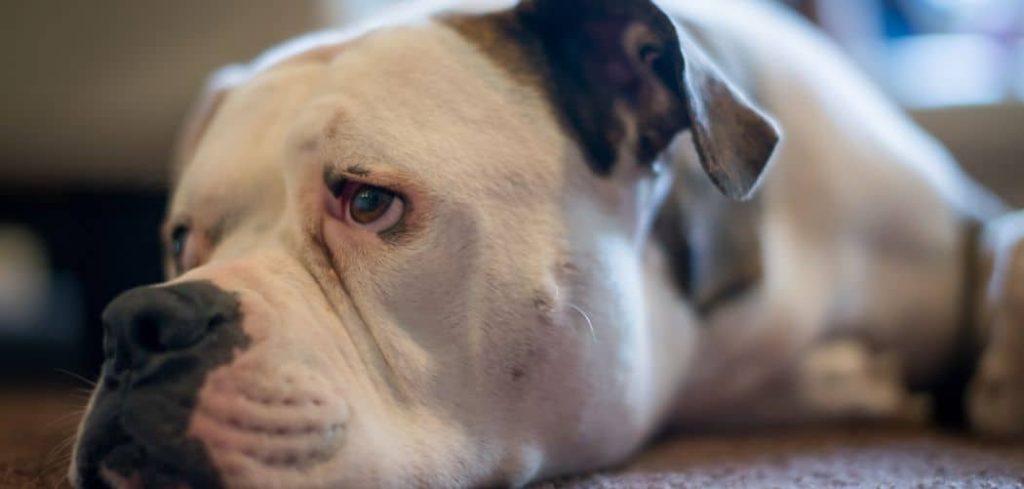
Dog Has Bad Gas Suddenly and Vomiting Yellow: Why It Happens
A dog that suddenly develops foul-smelling gas and starts vomiting yellow bile is usually experiencing digestive irritation caused by stomach inflammation, bile reflux, food intolerance, metabolic disease, or intestinal imbalance.
These symptoms often occur when bile backs up into the stomach, when digestion is disrupted, or when underlying illness interferes with nutrient absorption.
In many cases, the problem begins with mild stomach upset but worsens if left untreated.
Persistent gas and yellow vomiting may indicate ongoing inflammation, organ strain, or infection that requires medical evaluation.
Dog Has Bad Gas Suddenly and Vomiting Yellow: Signs
Signs may include:
Strong, foul-smelling flatulence.
Yellow, foamy, or liquid vomit.
Lip licking or drooling (nausea signs).
Abdominal gurgling.
Restlessness or pacing.
Reduced appetite.
Loose stool or mild diarrhea.
If the dog appears painful, bloated, lethargic, or continues vomiting repeatedly, the condition may be more serious. In large or deep-chested breeds, sudden bloating with gas and retching can indicate bloat (GDV), which is a medical emergency.
Dog Has Bad Gas Suddenly and Vomiting Yellow: Common Causes
Bilious Vomiting Syndrome (Bile Reflux Gastritis)
Bilious vomiting syndrome is one of the most frequent causes of yellow vomiting combined with digestive discomfort and gas.
This condition occurs when bile from the small intestine flows backward into an empty stomach, irritating the stomach lining.
Dogs with bile reflux often vomit yellow or foamy fluid in the early morning or after long periods without food.
The irritation caused by bile leads to excess stomach acid production, increased gas formation, and nausea. Over time, repeated bile exposure can inflame the stomach lining and disrupt digestion.
You may notice lip licking, grass eating, restlessness before vomiting, and increased flatulence. If untreated, chronic bile reflux can lead to gastritis and decreased appetite.
Related: Dog excessively throwing up (Causes and treatment)
Dietary Indiscretion
Sudden gas and yellow vomiting frequently occur after a dog eats something inappropriate, spoiled, fatty, or difficult to digest. Table scraps, garbage, new treats, and unfamiliar foods can overwhelm the digestive system.
Food intolerance develops when a dog’s body struggles to process certain ingredients such as beef, chicken, dairy, grains, or artificial additives.
This leads to fermentation in the intestines, producing excessive gas, while irritation triggers bile vomiting.
Affected dogs may experience bloating, foul-smelling flatulence, loose stools, and occasional vomiting. Repeated exposure can worsen intestinal inflammation and create long-term digestive sensitivity.
Gastritis and Stomach Inflammation
Gastritis refers to inflammation of the stomach lining and is a major cause of yellow vomiting and gas. It can develop from dietary indiscretion, stress, medication use, infections, or toxin exposure.
Inflamed stomach tissue becomes more sensitive to acid and bile, leading to nausea and vomiting. Digestion becomes inefficient, allowing undigested food to ferment in the gut and create strong gas.
Signs include repeated vomiting, decreased appetite, abdominal discomfort, drooling, and lethargy. Chronic gastritis may lead to weight loss and nutritional deficiencies if not treated.
Pancreatitis
Pancreatitis is a serious inflammatory condition affecting the pancreas, an organ responsible for producing digestive enzymes. When the pancreas becomes inflamed, enzyme release is disrupted, leading to incomplete digestion and severe gastrointestinal symptoms.
Poor digestion causes excessive fermentation in the intestines, producing foul gas. Pancreatic inflammation also triggers nausea and bile vomiting due to digestive dysfunction.
Dogs with pancreatitis often appear weak, painful, hunched, and unwilling to eat. Vomiting may be persistent, and dehydration develops quickly. Without treatment, pancreatitis can become life-threatening.
Intestinal Bacterial Imbalance
A healthy digestive tract contains balanced populations of beneficial bacteria. When this balance is disrupted by stress, antibiotics, illness, or diet changes, harmful bacteria may overgrow.
This imbalance leads to abnormal fermentation of food, producing excessive gas. At the same time, intestinal irritation can trigger bile reflux and vomiting.
Dogs with dysbiosis may have chronic gas, inconsistent stools, mucus in feces, appetite changes, and recurrent vomiting. Long-term dysbiosis weakens gut immunity and increases susceptibility to infections.
Liver or Gallbladder Dysfunction
The liver and gallbladder regulate bile production and release. When these organs malfunction, bile flow becomes irregular, leading to digestive upset and vomiting.
Excess or poorly regulated bile irritates the stomach, causing yellow vomiting. Inadequate bile processing interferes with fat digestion, increasing gas formation and stool changes.
Dogs with liver or gallbladder disease may also show yellowing of the eyes or gums, weight loss, lethargy, increased thirst, and appetite changes. These conditions require immediate veterinary diagnosis.
Related: Dog throwing up and diarrhea (Causes and treatment)
What to Do If Your Dog Has Bad Gas Suddenly and Vomiting Yellow
If your dog is experiencing sudden gas and yellow vomiting, begin by temporarily resting the digestive system. Withhold food for 8 to 12 hours if vomiting is mild and your veterinarian has not advised otherwise, while continuing to offer small amounts of water.
After the stomach settles, introduce bland foods such as boiled chicken and plain white rice in small portions. Feed multiple small meals throughout the day to reduce bile buildup and stomach irritation.
Avoid treats, fatty foods, and table scraps during recovery. Stick to a consistent, easily digestible diet and monitor your dog closely for improvement.
Maintain hydration by offering fresh water frequently. If your dog refuses water, shows signs of dehydration, or continues vomiting, contact your veterinarian.
Keep a record of diet changes, recent exposures, medications, and symptom patterns. This information can help your vet identify underlying causes more quickly.
When to Call or Visit Your Vet
Contact your veterinarian immediately if vomiting persists beyond 24 hours, worsens, or becomes frequent and forceful.
Seek urgent care if your dog shows lethargy, weakness, abdominal pain, refusal to eat, dehydration, fever, or collapse.
Bloody vomit, black stools, pale gums, or yellowing of the eyes indicate potentially serious internal disease and require emergency attention.
Puppies, senior dogs, and dogs with chronic health conditions should be evaluated sooner, as they are more vulnerable to complications.
If gas and vomiting repeatedly return despite dietary management, professional testing is needed to rule out pancreatitis, liver disease, infections, or intestinal disorders.
Related: Dog has bad gas suddenly (Why it happens)
Dog Has Bad Gas Suddenly and Vomiting Yellow: Treatment
Veterinary treatment depends on the underlying cause. For mild digestive upset, treatment may include:
Short-term fasting (under guidance).
Bland or prescription gastrointestinal diet.
Anti-nausea medication.
Probiotics to rebalance gut bacteria.
If symptoms persist or worsen, the vet may perform bloodwork, fecal testing, or abdominal imaging to rule out pancreatitis, obstruction, infection, or organ disease. In cases involving dehydration, pain, or repeated vomiting, fluid therapy and hospitalization may be required.
Immediate evaluation is especially important if your dog is lethargic, has a swollen abdomen, or cannot keep water down.
Key Takeaway
When a dog suddenly develops bad gas and begins vomiting yellow fluid, it is often a sign of bile irritation, digestive imbalance, or underlying organ dysfunction.
While mild cases may resolve with supportive care, ongoing symptoms should never be ignored.
Prompt attention, dietary management, and veterinary guidance can prevent complications and restore digestive health.
Paying close attention to changes in appetite, behavior, and digestion helps ensure your dog receives timely care and stays comfortable and healthy.