
Seeing foam around your dog’s mouth can be alarming, especially when it appears suddenly and without obvious distress.
When a dog is foaming at the mouth but acting normal, the contrast between the symptom and behavior often leaves owners unsure whether to wait or seek help.
We explain the most common reasons why a dog may foam at the mouth but act normal, what you can do at home, and when to seek veterinary care.
Dog Foaming at Mouth The but Acting Normal: Why It Happens
When a dog is foaming at the mouth but acting normal, the cause is often related to saliva production, mild irritation, or a temporary reaction rather than a severe emergency.
Excess drooling mixed with air can create a foamy appearance, especially during nausea, stress, or after tasting something unpleasant.
Oral issues, digestive upset, mild toxin exposure, or motion-related nausea may all trigger foaming without affecting energy or behavior. While many cases are benign, some causes require prompt attention if symptoms progress.
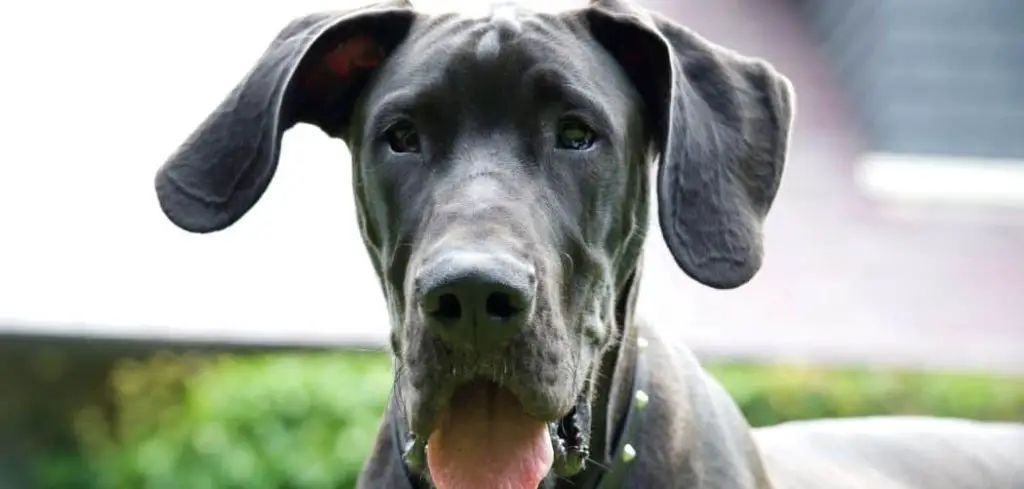
Dog Foaming at The Mouth but Acting Normal: Common Causes
Excess Saliva From Nausea or Mild Stomach Upset
One of the most common reasons dogs foam at the mouth is mild nausea. When a dog feels queasy, saliva production increases as the body prepares to vomit or protect the stomach lining. Air mixing with saliva creates the foamy appearance owners notice.
You may see lip licking, swallowing, or brief restlessness, but the dog may still walk, play, and respond normally.
While mild nausea can pass quickly, repeated episodes may point to an underlying digestive issue that should not be ignored.
Related: Dog excessively drooling suddenly (Causes explained)
Stress
Emotional triggers can cause noticeable drooling and foaming. Car rides, vet visits, fireworks, unfamiliar environments, or excitement can overstimulate the nervous system. This often leads to excessive salivation without illness.
Your dog may seem alert, responsive, and energetic despite the foam.
If stress-related foaming becomes frequent, it can impact overall well-being and should be addressed to prevent chronic anxiety.
Tasting Something Bitter or Irritating
Dogs often foam at the mouth after tasting something unpleasant. Certain plants, cleaning residues, bitter sprays, or even medications can trigger a strong salivation response. The body produces excess saliva to dilute and expel the irritant.
Your dog may paw at the mouth briefly or shake their head but then return to normal behavior.
While many irritants are harmless, some substances can be toxic, making it important to identify what your dog may have contacted.
Dental Issues
Problems inside the mouth can increase saliva and foaming. Gum disease, loose teeth, oral ulcers, or small foreign objects lodged between teeth can irritate tissues and stimulate drooling.
Your dog may still eat, play, and act normal, especially if discomfort is mild or chronic.
Untreated oral problems can worsen over time, leading to pain, infection, and difficulty eating.
Motion Sickness
Some dogs foam at the mouth due to motion-related nausea. Car rides or sudden movement can disrupt balance and cause mild nausea, leading to drooling and foam formation.
Your dog may appear calm, alert, and responsive once movement stops.
Repeated motion sickness can affect quality of life and may benefit from preventive strategies.
Mild Toxin or Chemical Exposure
Low-level exposure to certain substances can cause temporary foaming. Household cleaners, lawn treatments, or even some plants can irritate oral tissues without immediately causing severe illness.
Your dog may foam briefly but otherwise act normal, especially if exposure was minimal.
Because toxin reactions can worsen over time, any suspicion of exposure should be taken seriously.
Related: Old dog drooling (Causes and what to do)
What to Do If Your Dog Is Foaming at The Mouth but Acting Normal
Start by staying calm and observing your dog closely for changes in behavior, appetite, or coordination.
Gently check your dog’s mouth if safe to do so, looking for redness, debris, or signs of irritation.
Offer fresh water and allow your dog to rest in a quiet, comfortable space while monitoring symptoms.
If you suspect nausea, avoid feeding for a short period and reintroduce food gradually once symptoms resolve.
Remove access to potential irritants, chemicals, or plants that may have caused the reaction.
When to Call or Visit Your Vet
Contact your veterinarian immediately if foaming is accompanied by vomiting, diarrhea, tremors, weakness, or disorientation.
Seek urgent care if your dog has seizures, collapses, or shows signs of breathing difficulty.
Prompt evaluation is also important if foaming persists for several hours or recurs frequently.
If you know or suspect your dog ingested a toxic substance, do not wait for additional symptoms to appear.
Read more: Dog Throwing Up and Drooling (What it may indicate)
Key Takeaway
When a dog is foaming at the mouth but acting normal, the cause is often mild and temporary, such as nausea, stress, or oral irritation. Still, this symptom should never be dismissed without careful observation.
Watching for changes, removing possible triggers, and knowing when to seek veterinary care can help protect your dog’s health.
If foaming persists, worsens, or leaves you uncertain, your veterinarian can help identify the cause and ensure your dog stays safe and comfortable.