
When a dog starts drooling heavily while also licking nonstop, it is usually a clear sign that something inside their body feels uncomfortable or wrong.
We explain the common causes of excessive drooling and licking in dogs, what you can do and when to seek your veterinary care.
Dog Excessively Drooling and Licking: Why It Happens
A dog excessively drooling and licking is most often responding to nausea, mouth irritation, anxiety, toxin exposure, or internal disease that stimulates saliva production and creates a constant urge to soothe discomfort.
When the stomach or mouth feels irritated, the body produces extra saliva and dogs instinctively lick to cope.
Conditions such as dental infections, acid reflux, pancreatitis, and allergic reactions can all trigger this combination of symptoms.
Because dogs cannot tell us they feel sick, drooling and licking become one of their clearest warning signals.
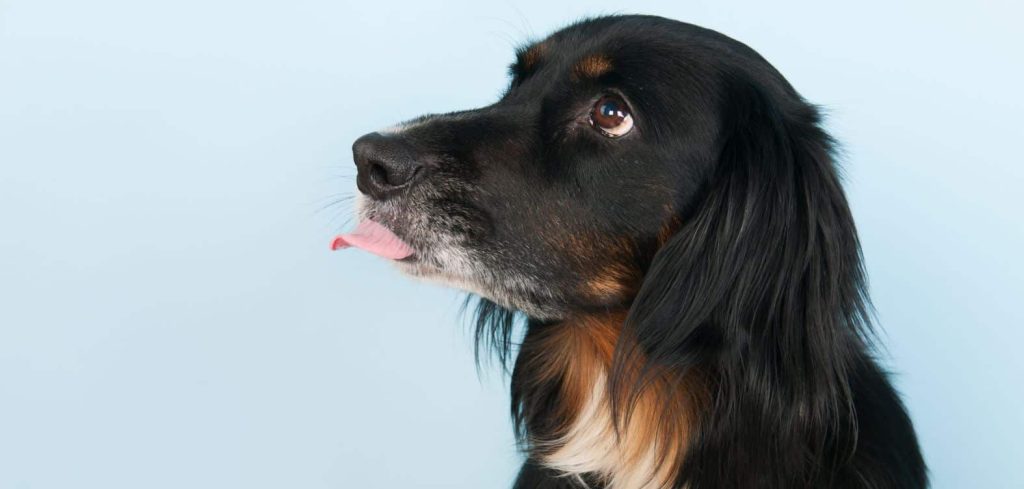
Dog Excessively Drooling and Licking: Common Causes
Nausea and Digestive Upset
Nausea is one of the most common reasons dogs begin drooling and licking at the same time. When the stomach lining becomes irritated, the body increases saliva production as part of the vomiting reflex.
This leads to lip licking, floor licking, and repeated swallowing. Acid reflux, gastritis, and mild food intolerance can all cause this pattern.
Even if vomiting never happens, persistent nausea can make dogs drool heavily and lick constantly.
Read more: Dog Excessively Drooling Suddenly (What it really means)
Dental Disease and Mouth Pain
Pain inside the mouth from infected gums, loose teeth, or abscesses can lead to both drooling and licking. The irritation stimulates saliva glands and makes dogs lick in an attempt to soothe the area.
Older dogs are especially prone to dental disease, but it can affect dogs of any age. This often causes bad breath and difficulty chewing.
Left untreated, oral infections can spread and cause serious health problems.
Toxin Exposure
Exposure to toxins or irritants is a dangerous cause of drooling and licking. Household cleaners, plants, medications, or chemicals can create a burning sensation in the mouth and throat.
The dog responds by producing excessive saliva and licking to flush out the substance. This reaction may appear suddenly and intensely.
Vomiting, tremors, or weakness may follow, making immediate veterinary care critical.
Stress
Stress activates the nervous system and increases saliva production. Dogs may drool and lick when they feel overwhelmed, scared, or unsure.
Car rides, loud noises, or changes in the home can trigger this behavior. Even subtle anxiety can cause dramatic physical reactions.
If stress becomes chronic, drooling and licking may continue even when the dog appears calm.
Allergic Reactions
Allergies to food, insect stings, or environmental triggers can cause swelling and irritation in the mouth and throat. This leads to drooling and licking as the dog tries to relieve discomfort.
Mild allergic reactions may only cause licking and drooling, while more severe reactions can cause facial swelling or difficulty breathing.
Any sudden allergic reaction should be monitored closely.
Serious Internal Illness
Diseases such as kidney failure, liver disease, or pancreatitis can cause nausea and mouth ulcers that lead to drooling and licking. These conditions are more common in older dogs.
Toxins building up in the blood irritate the stomach and mouth, driving excessive saliva production.
Weight loss, increased thirst, and lethargy often appear alongside these symptoms.
Read more: Old Dog Drooling (Hidden causes explained)
Dog Excessively Drooling and Licking: What to Do
If your dog is excessively drooling and licking, start by checking their mouth for redness, swelling, broken teeth, or foreign objects.
Keep your dog in a calm, quiet environment to reduce stress, which can make symptoms worse.
Offer fresh water but avoid giving new foods or treats until you understand the cause. This helps prevent further digestive upset.
If the behavior does not improve within a few hours, contact your veterinarian for advice.
When to Call or Visit Your Vet
Call your veterinarian if drooling and licking are severe, sudden, or persistent. These signs often point to nausea, pain, or toxin exposure.
Seek immediate care if your dog has facial swelling, difficulty breathing, vomiting, or tremors. These are medical emergencies.
Go to the vet right away if you notice bad breath, mouth sores, or refusal to eat, which may indicate dental infection.
If symptoms last more than a day, a full veterinary exam is needed.
Read more: Dog Throwing Up and Drooling (What it means)
Key Takeaway
A dog excessively drooling and licking is not just a minor behavior change. It is usually a sign of nausea, mouth pain, allergic reaction, or internal disease that needs attention.
By responding quickly and involving your veterinarian when needed, you can identify the cause and help your dog feel better.
When drooling and licking appear together, it is your dog’s way of asking for help.