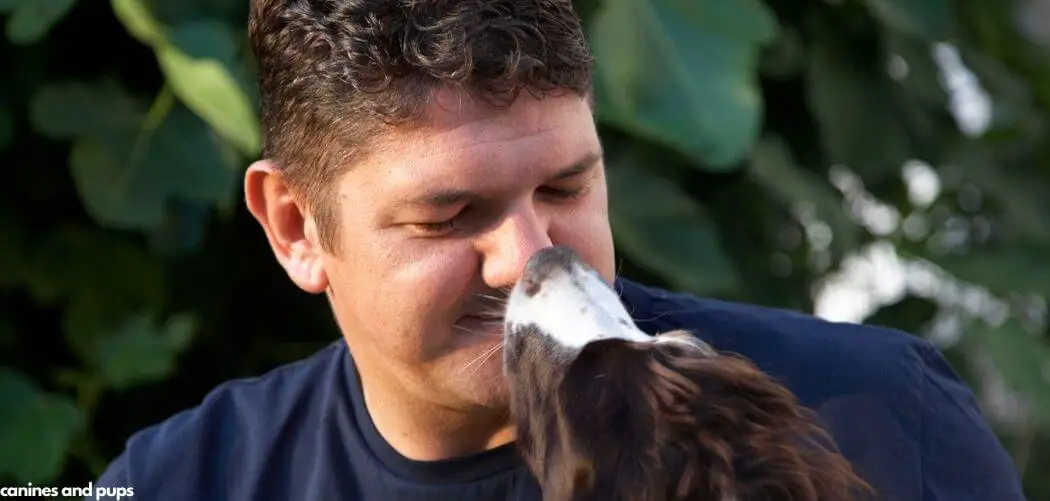
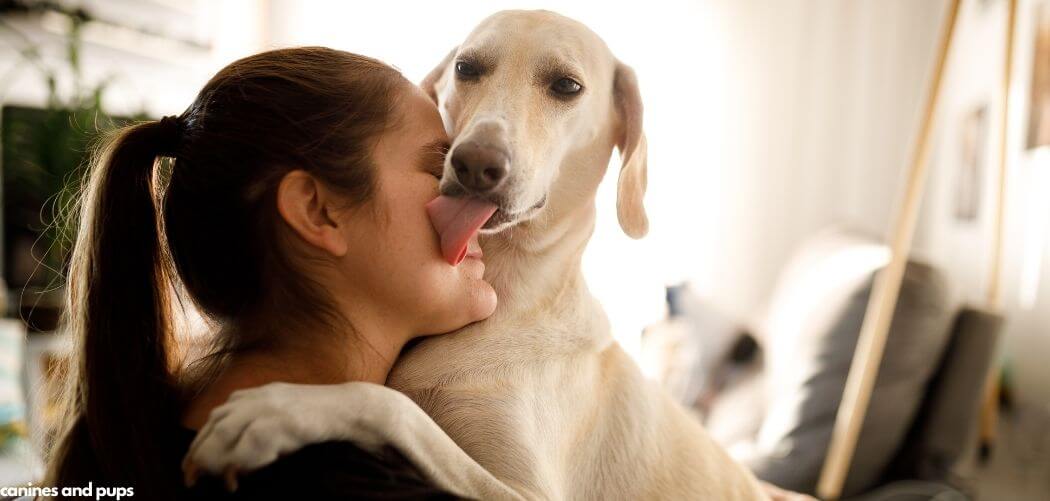
It can be alarming when your dog suddenly begins licking you excessively. While licking is a normal canine behavior, a sudden increase in frequency or intensity may point to underlying medical conditions. We outline the common reasons why your dog may suddenly lick you excessively, what you can do at home, and when to seek […]
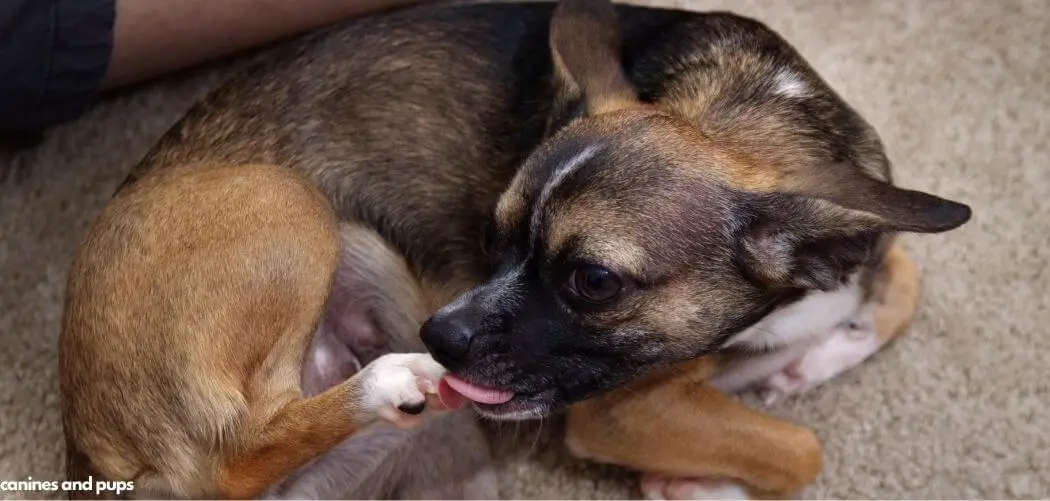
![Dog Licking One Paw Excessively — Why It Happens Dogs often lick their paws as part of normal grooming, but when a dog focuses on one paw excessively, it can be a red flag for something more serious. This behavior may signal pain, irritation, or an underlying health problem that requires attention. *We outline the common causes of dog licking one paw excessively, what you can do at home, and when to seek veterinary help.* ## Dog Licking One Paw Excessively — Why It Happens **Excessive licking of one paw is most often linked to localized pain, irritation, or infection.** Dogs may lick one paw due to injuries like cuts or splinters, allergies that affect the skin, or infections that create discomfort. Other causes include insect bites, arthritis, or even foreign bodies stuck between the paw pads. Behavioral issues such as stress or compulsive licking can also play a role. In each case, the underlying trigger leads the dog to focus its attention on that specific paw. ## Common Causes of Dog Licking One Paw Excessively #### Injury or Trauma A small cut, scrape, or puncture wound on the paw can cause a dog to lick the area nonstop. Splinters, thorns, or sharp objects can become embedded in the paw pad, making it painful to walk. Owners may notice limping, bleeding, or swelling. Left untreated, even a minor wound can become infected, intensifying the licking. #### Allergies Dogs can suffer from seasonal allergies, food allergies, or environmental sensitivities. Allergic reactions often cause itchy, inflamed skin, and the paws are a common target. If only one paw is affected, it may be the first point of contact with the allergen, such as grass or cleaning chemicals on the floor. Over time, chronic licking may lead to redness, hair loss, or thickened skin. #### Infections Bacterial or fungal infections can make one paw particularly irritating. Yeast infections often cause a strong odor along with excessive licking. Bacterial infections may lead to pus, redness, and swelling. These infections may start from a small wound or allergy but can worsen quickly if not treated. #### Insect Bites or Stings A bee sting, ant bite, or spider bite on the paw can lead to sudden and intense licking of the area. The dog may also yelp, limp, or try to chew at the paw. Swelling and redness usually appear, and in some cases, an allergic reaction may occur. Insect stings need to be monitored closely to ensure they don’t cause severe reactions. #### Arthritis or Joint Pain For older dogs, arthritis in the paw, ankle, or leg can cause discomfort that leads to licking. Dogs may try to soothe the pain through constant attention to the area. Stiffness, limping, or difficulty standing up often accompanies the licking behavior. This type of licking is not just about skin irritation but an attempt to cope with deeper joint pain. #### Behavioral or Compulsive Licking Some dogs develop obsessive licking habits tied to anxiety, stress, or boredom. If no physical injury or infection is present, the cause may be psychological. Dogs may start licking one paw excessively as a self-soothing behavior, which over time can cause irritation, sores, or secondary infections. ## What to Do If Your Dog Is Licking One Paw Excessively Start by gently examining your dog’s paw. Look between the pads for debris, cuts, or swelling. Clean the paw with mild, pet-safe antiseptic if you see a small wound. Keeping the paw dry and monitoring for changes can help prevent infections. If allergies are suspected, wipe down your dog’s paws after walks to remove allergens. Consider whether recent changes, like new cleaning products or outdoor exposure, could be triggering irritation. A hypoallergenic diet trial may also be discussed with your vet. When licking seems stress-related, providing more exercise, mental stimulation, and calming environments may reduce the habit. Sometimes, protective booties or an Elizabethan collar are needed to break the licking cycle while the cause is treated. Avoid using human creams or medications on your dog’s paw without veterinary approval, as many can be toxic. Focus on keeping the paw clean and monitoring for signs that professional help is required. ## When to Call or Visit Your Vet If your dog’s paw shows signs of infection such as swelling, pus, or foul odor, a vet visit is essential. Sudden and severe swelling after an insect sting also requires immediate attention, as allergic reactions can escalate quickly. Persistent licking that continues for more than a few days without improvement is another reason to seek veterinary advice. Your vet may recommend tests for allergies, prescribe antibiotics for infections, or provide anti-inflammatory medication for pain or arthritis. If your dog is limping, crying out when the paw is touched, or refusing to put weight on the leg, this could signal a deeper injury or joint issue. In these cases, prompt veterinary evaluation is the safest choice. **Related Blogs** Read more: \[Dog Licking Lips Excessively Suddenly] (What it could mean) Read more: \[Dog Excessively Licking My Hand] (Understanding the behavior) Read more: \[Dog Excessively Licking My Face] (Should you be concerned?) ## Key Takeaway When a dog licks one paw excessively, it is usually trying to relieve discomfort from an underlying problem. Whether caused by injury, allergies, infection, or anxiety, persistent licking should not be ignored. At-home care can help in minor cases, but veterinary guidance ensures the correct diagnosis and treatment. By addressing the cause promptly, owners can relieve their dog’s discomfort and prevent complications. If the licking persists or the paw shows signs of worsening, contacting a veterinarian is the best step to protect the dog’s health and well-being.](https://caninesandpups.com/wp-content/uploads/2025/09/Dog-Licking-One-Paw-Excessively.jpg)