
When an older dog begins licking excessively, it can be concerning and puzzling for pet owners.
While some licking is a normal behavior in dogs, constant or obsessive licking in a senior dog can signal an underlying health issue that needs attention.
Table of Contents
Old Dog Licking Excessively: Why It Happens
Excessive licking in older dogs is often linked to medical, behavioral, or emotional changes that come with age. Dental disease, gastrointestinal upset, joint pain, anxiety, and even neurological issues can all trigger persistent licking.
Sometimes, a dog may lick themselves, objects, or even their owners as a way of self-soothing. In senior dogs, these behaviors may be more pronounced due to age-related discomfort or stress.
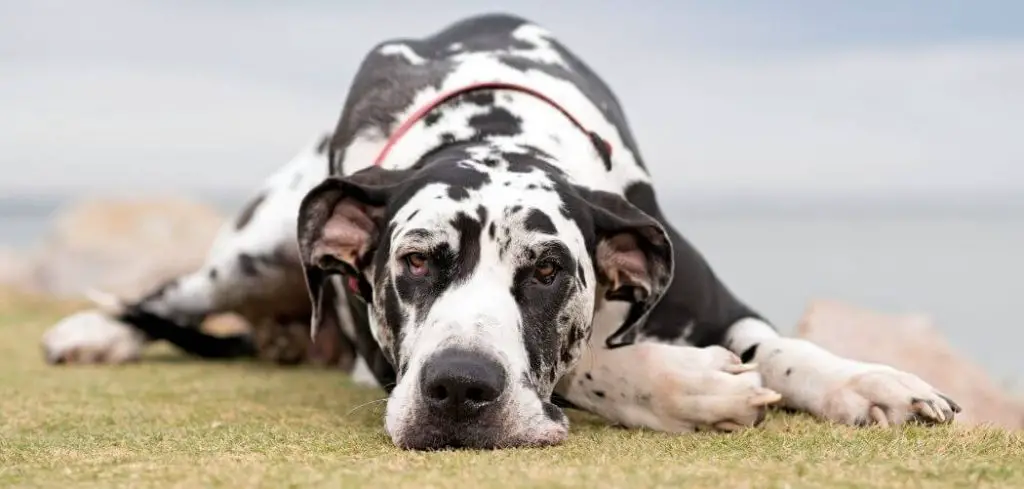
Old Dog Licking Excessively: Common Causes
Dental Disease
Dental disease is one of the most common issues in older dogs. Gum infections, broken teeth, or painful abscesses can cause a dog to lick excessively in an attempt to ease oral discomfort.
You may also notice bad breath, drooling, or difficulty eating. Left untreated, dental disease can worsen quickly and impact a dog’s overall health.
Read more: Old Dog Licking Nose Excessively Suddenly (Here’s why)
Gastrointestinal Upset
Stomach discomfort or nausea often leads dogs to lick excessively. Older dogs may develop sensitive stomachs, acid reflux, or chronic conditions like inflammatory bowel disease.
If your dog is licking floors, carpets, or their lips frequently, it may be a sign of nausea or gastrointestinal pain.
Arthritis and Joint Pain
As dogs age, arthritis and joint pain become more common. Dogs sometimes lick or chew at the painful area as a way to cope with discomfort.
For example, a dog with hip arthritis may constantly lick their flank or paw. Over time, this can cause irritation, hair loss, or skin infections.
Anxiety and Stress
Senior dogs can develop anxiety as they age, especially if they experience cognitive decline, vision loss, or hearing loss.
Excessive licking can be a self-soothing behavior similar to nail-biting in humans. Triggers may include changes in routine, new environments, or separation from their owner.
Neurological Disorders
Neurological issues such as canine cognitive dysfunction (similar to dementia) can cause repetitive behaviors, including excessive licking.
These dogs may seem confused, pace, or struggle with sleep changes. The licking is often compulsive and not easily redirected.
Skin Allergies or Irritations
Older dogs can also develop allergies or skin conditions that cause itching and irritation. In response, they may lick their paws, legs, or other areas nonstop.
While allergies are common in all ages, they may worsen in older dogs due to a weakened immune system.
Old Dog Excessively Licking and Lethargic
An old dog that is excessively licking and appears lethargic should be evaluated by a veterinarian because this combination of symptoms often indicates an underlying medical problem.
Excessive licking may result from allergies, skin infections, arthritis pain, nausea, dental disease, anxiety, or neurological conditions, while lethargy suggests your dog may be unwell or in discomfort.
Senior dogs are also more prone to chronic illnesses such as kidney disease, liver disease, diabetes, or cancer, which can cause both reduced energy and abnormal licking behaviors.
If your dog also refuses food, vomits, has diarrhea, or struggles to stand, seek veterinary care promptly.
Old Dog Excessively Licking at Night
An old dog that licks excessively at night may be experiencing discomfort that becomes more noticeable when the house is quiet.
Common causes include itchy skin from allergies or parasites, arthritis pain, anxiety, canine cognitive dysfunction (dog dementia), nausea, or licking due to boredom or compulsive behavior.
Some senior dogs repeatedly lick their paws, joints, bedding, or the floor during the night.
If the licking is persistent, disrupts sleep, causes skin sores, or is accompanied by other changes such as panting, pacing, or confusion, a veterinary examination is required to determine the underlying cause.
What to Do If Your Old Dog Is Licking Excessively
If your older dog is licking excessively, start by gently examining the area they focus on. Look for signs of redness, swelling, or wounds. If the licking is generalized, consider whether nausea, anxiety, or dental issues might be involved.
At home, you can try providing mental stimulation with toys or food puzzles to distract them. Regular grooming and skin care may also help if irritation is suspected.
Ensure your dog has a comfortable resting area, especially if arthritis pain may be a factor.
If stress or anxiety seems to be the cause, keeping a consistent routine and offering calming aids (like pheromone diffusers) may reduce licking behavior. However, if the licking persists, medical evaluation is essential.
When to Call or Visit Your Vet
You should contact your veterinarian if your dog’s licking is constant, causes hair loss, or results in open sores. Licking linked to nausea, weight loss, or changes in appetite also requires urgent veterinary care.
Dogs with sudden changes in behavior, such as compulsive licking paired with confusion, pacing, or disorientation, should be checked for neurological conditions.
Any sign of pain, bad breath, drooling, or difficulty eating warrants a dental exam. Skin infections, hot spots, and allergies also require prompt treatment to prevent worsening discomfort.
Read more: Dog licking excessively (Discover what it might mean)
Old Dog Excessively Licking Treatment
Treatment for excessive licking depends on the underlying cause. Your veterinarian may prescribe medications for allergies, skin infections, parasites, pain, nausea, anxiety, or other medical conditions identified during the examination.
If arthritis or cognitive dysfunction is contributing to the behavior, treating those conditions may significantly reduce licking.
At home, keep your dog’s skin clean and dry, use veterinarian-recommended flea and parasite prevention, provide regular mental stimulation, and prevent access to anything that may be irritating the skin.
Avoid using human creams or medications unless directed by your veterinarian, as some products can be harmful if licked.
Persistent or worsening licking should always be evaluated to prevent skin damage and identify any underlying illness.
Key Takeaway
Excessive licking in older dogs should not be ignored. While sometimes it may be a mild behavioral quirk, it often signals underlying health issues such as dental disease, arthritis, nausea, anxiety, or skin irritation.
By monitoring your dog closely and seeking veterinary care when needed, you can ensure they stay comfortable and healthy in their senior years.
With proper attention, treatment, and care, many causes of excessive licking can be managed effectively, improving your dog’s quality of life.


