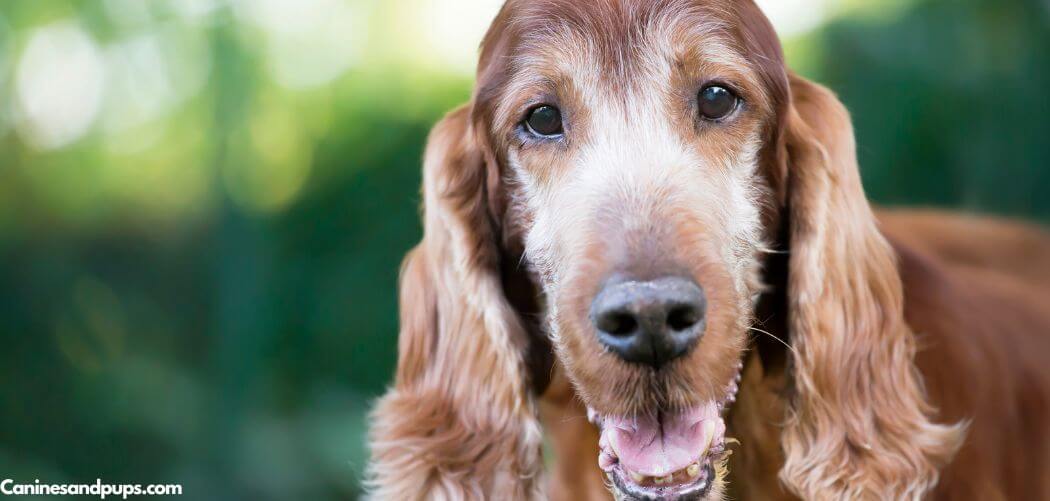
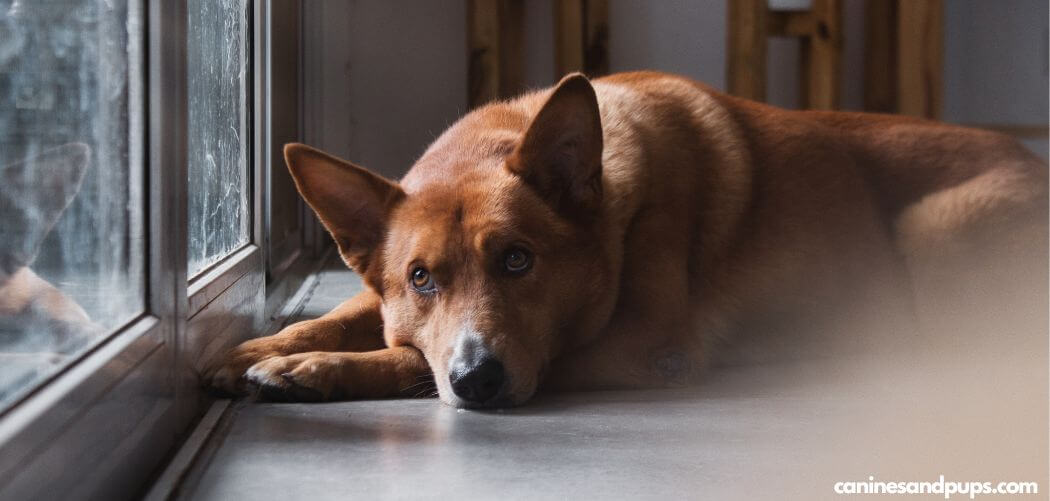
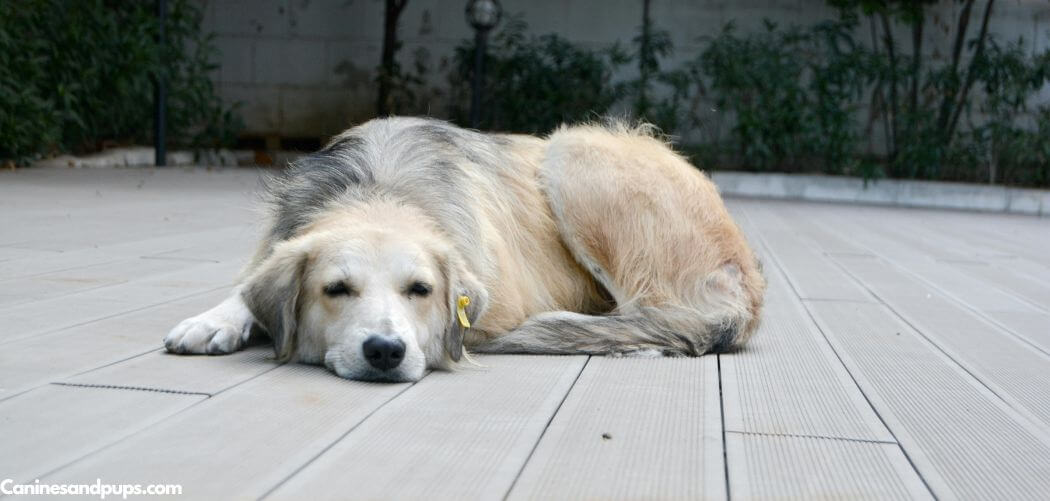
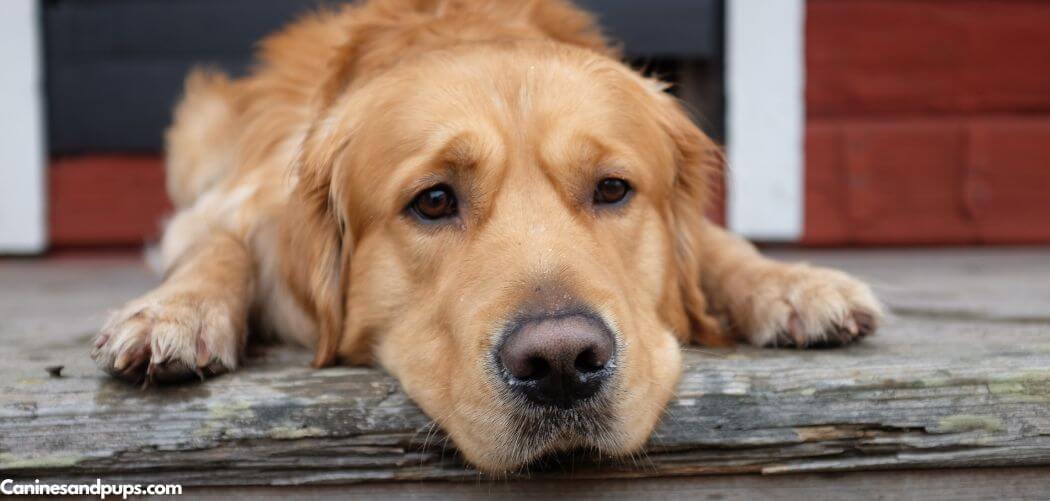
Seeing a dog foam at the mouth can be extremely frightening, especially if it happens near the end of life. While some owners notice foaming shortly before their dog passes away, foaming at the mouth is not a sign that death is always imminent. It can occur for many different reasons, ranging from nausea and […]
Dog Coughing Blood but Acting Normal (What It Means)
It can be frightening to see your dog cough up blood, even if they seem perfectly normal afterward. Some dogs cough once or twice, produce blood-tinged mucus, and then go back to eating, playing, and behaving as if nothing happened. While your dog may appear healthy, coughing up blood is never considered normal and should […]
Dog Rubbing Nose on Floor After Vomiting (Why It Happens)
It can be concerning when your dog starts rubbing their nose or face on the floor after vomiting. Some dogs drag their muzzle across the carpet, rub against furniture, or repeatedly wipe their face on the ground immediately after throwing up. While this behavior is often a response to irritation around the nose or mouth, […]
Dog Bobbing Head Before Eating (What It Means)
It can be concerning when your dog starts bobbing their head before eating, especially if this is a new behavior. Some dogs repeatedly nod, dip, or shake their heads as they approach their food bowl, while others seem hesitant or uncomfortable before taking the first bite. Although head bobbing can sometimes be harmless, it may […]
Dog Swollen Face After Eating (What It Means)
It can be alarming when your dog’s face suddenly becomes swollen after eating. Facial swelling often develops quickly and may affect the muzzle, lips, cheeks, eyelids, or the entire face. While some cases are caused by a mild allergic reaction, others can signal a serious medical emergency that requires immediate veterinary care. Because facial swelling […]
Old Dog Losing Hair in Patches (What It Means)
It can be alarming to notice bald patches developing on your senior dog. While some hair thinning is common as dogs age, patchy hair loss is not considered a normal part of aging. Whether the bald spots appear on the back, sides, belly, tail, or legs, they often indicate an underlying skin condition or other […]
Old Dog Moaning at Night (Here’s Why)
It can be upsetting to hear your old dog moaning during the night, especially if the behavior is new. Some senior dogs moan while lying down, trying to get comfortable, or wandering around the house after everyone has gone to bed. While occasional vocalizations may be part of aging, persistent nighttime moaning often signals pain […]
Old Dog Losing Hair on Tail (Here’s Why)
It can be concerning when you notice your old dog’s tail becoming thin or developing bald patches. While some coat changes are expected as dogs age, hair loss on the tail is not considered a normal part of aging. Whether the hair loss affects the entire tail or just one section, it often indicates an […]
Old Dog Losing Hair on Back (What It Means)
It can be concerning when you notice your old dog’s back becoming thinner or developing bald patches. While a senior dog’s coat may naturally become less dense with age, noticeable hair loss along the back is not considered a normal part of aging. Whether the hair loss occurs between the shoulders, along the spine, or […]
Old Dog Lump on Leg: Common Causes and Warning Signs
Finding a lump on your old dog’s leg can be worrying, especially if it seems to appear suddenly or continues to grow. While many lumps in senior dogs are harmless, others can indicate infections, cysts, tumors, or cancer. Because older dogs are more likely to develop growths than younger dogs, every new lump should be […]