
Clumps of grass in a dog’s stool look strange, and they tend to raise more questions than alarm. Plenty of owners find themselves wondering whether this is a harmless quirk or a clue that something is off with their dog’s digestion.
The answer usually comes down to a few details: how often your dog eats grass, how much ends up in the stool, and how your dog is acting otherwise.
An occasional blade or two in a happy, eating dog is rarely a worry. Grass that appears in large clumps, shows up day after day, or comes with vomiting, diarrhea, blood, weight loss, or a drop in energy is worth a call to your vet. Long strands can also cause trouble on the way out, which is another reason not to ignore a pattern.
Table of Contents
Dog Pooping Clumps of Grass: What It Means
Dog pooping clumps of grass usually occurs when swallowed grass passes through the digestive tract without being fully broken down.
Dogs may eat grass out of curiosity, during normal outdoor exploration, or in response to changes in their eating behavior. Some dogs also eat more grass when they have nausea or digestive discomfort.
Small amounts of grass may pass in the stool without causing problems. However, large or repeated clumps, particularly when accompanied by vomiting, diarrhea, straining, or loss of appetite, warrant closer attention.
The presence of grass alone cannot establish whether your dog has an underlying digestive condition.
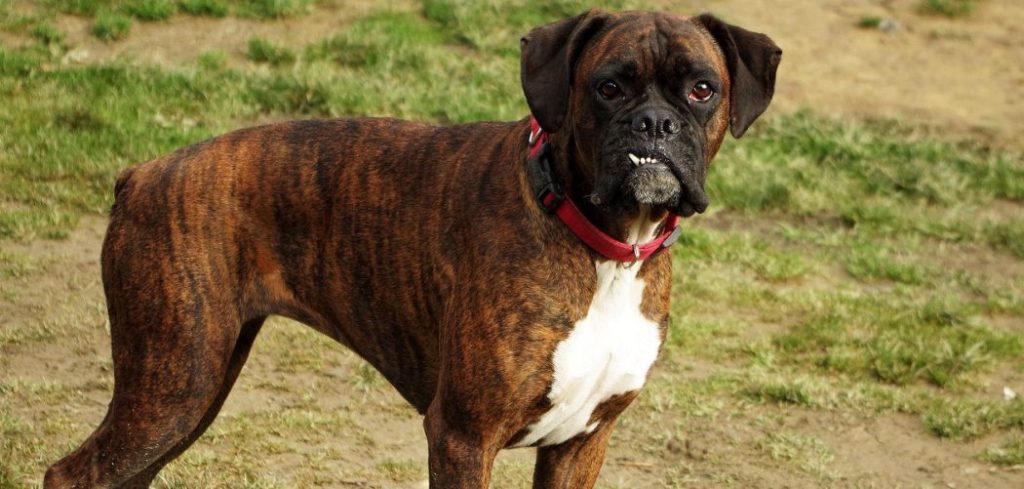
Dog Pooping Clumps of Grass: What Does It Look Like?
Dog poop containing clumps of grass may look like formed or loose stool with visible green strands, small bundles of grass, or partially digested plant material mixed throughout it.
The grass may appear bright green, yellowish-green, or brown, depending on how much it has been digested. Sometimes, the strands remain connected in small clumps or protrude from the stool.
Small amounts of grass in otherwise normal poop may simply reflect grass the dog has swallowed while outdoors.
However, large amounts of undigested grass accompanied by watery diarrhea, vomiting, blood, straining, or loss of appetite may indicate digestive irritation or another problem.
Dog Pooping Clumps of Grass: Common Causes
1. Eating Grass During Normal Outdoor Exploration
Many dogs nibble grass while walking, playing, or exploring the yard. Some swallow the blades rather than chewing them thoroughly, allowing strands to collect together in the digestive tract.
If your dog occasionally passes a small clump of grass while otherwise eating, drinking, and pooping normally, this may simply reflect ordinary grazing behavior.
Monitor whether it happens repeatedly and whether the amount of grass in the stool increases.
Related: Dog eating grass like crazy and vomiting (Here’s why)
2. Eating Too Much Grass
Some dogs eat substantial amounts of grass in a short period. Because grass contains plant fibers that dogs do not fully digest, larger quantities may remain visible in their stool.
You may notice long green strands, tangled clumps, or grass mixed with otherwise normal feces.
If your dog frequently eats large amounts, supervise outdoor grazing and redirect them toward other activities.
Related: Dog eating grass excessively (Causes and what to do)
3. Nausea or Digestive Discomfort
Some dogs eat grass when they feel nauseated or have digestive discomfort. The behavior does not always mean a dog is sick, and eating grass does not reliably indicate that a dog needs to vomit.
If grass eating increases suddenly or occurs alongside lip licking, drooling, vomiting, reduced appetite, or abdominal discomfort, contact your veterinarian.
These additional signs may suggest a digestive problem that needs investigation.
4. Dietary Changes or Hunger
Changes in feeding schedules, food types, or meal portions may coincide with increased grass eating in some dogs.
However, there is no single explanation for why every dog eats grass, and grass in the stool does not prove that your dog is hungry or lacking a particular nutrient.
Keep your dog’s diet consistent and nutritionally appropriate. If your dog seems unusually hungry, repeatedly searches for food, or develops changes in weight or appetite, discuss these changes with your veterinarian.
5. Boredom or Habitual Grazing
Some dogs repeatedly eat grass because they enjoy the activity or have developed a habit of grazing whenever they go outside.
Dogs with limited enrichment may spend more time sniffing, chewing, and eating plants.
If your dog otherwise seems healthy, providing supervised walks, play, sniffing opportunities, and suitable enrichment may help reduce habitual grazing.
However, a sudden increase in grass eating should not automatically be attributed to boredom.
6. Intestinal Irritation
Grass may pass through the digestive tract alongside mucus or loose stool when the intestines are irritated.
The irritation may be related to dietary indiscretion, colitis, parasites, or another gastrointestinal condition.
If you notice grass clumps with repeated diarrhea, mucus, blood, or straining, the grass may not be the only issue.
Arrange a veterinary assessment rather than assuming the plant material is responsible for all the symptoms.
Related: Dog pooping clumps of mucus (Signs, causes and treatment)
7. Eating Grass From Contaminated Areas
Grass in gardens, parks, and roadside areas may be contaminated with pesticides, herbicides, fertilizers, animal feces, or other substances.
Swallowing contaminated grass can expose dogs to potentially harmful chemicals or infectious material.
Prevent your dog from grazing in areas that may have been chemically treated or contaminated.
If you suspect exposure to a toxic product, contact a veterinarian promptly and provide details of the suspected substance if known.
8. Swallowing Other Plant Material
Sometimes what looks like a grass clump may contain weeds, tough plant stems, leaves, or other fibrous material.
These substances may be difficult to digest, and some plants are toxic to dogs.
If your dog has swallowed an unidentified plant or develops vomiting, drooling, abdominal pain, or unusual behavior after grazing, seek veterinary advice. Do not assume all green plant material is safe.
Related: Green mucus diarrhea in dogs (What it means)
Dog Pooping Clumps of Grass but Acting Normal
When a dog passes a small clump of grass but is eating, drinking, playing, and pooping normally, the material may simply have passed through the digestive tract after grazing outdoors.
Monitoring the next few bowel movements and observing how much grass a dog eats is important.
If the clumps keep appearing or your dog suddenly begins eating grass excessively, contact your veterinarian for advice.
Acting normally does not completely rule out a developing digestive problem. Seek veterinary attention if vomiting, diarrhea, straining, reduced appetite, or abdominal discomfort develops.
Dog Pooping Clumps of Grass With Mucus
Grass mixed with clear or whitish mucus may indicate that the intestinal lining is producing extra mucus. This can happen when the large intestine becomes irritated.
A single episode may not indicate a serious problem, but recurring mucus, loose stool, frequent bowel movements, or straining deserves veterinary attention. Grass itself does not explain every possible cause of mucus in the stool.
Dog Pooping Clumps of Grass and Vomiting
A dog pooping clumps of grass and vomiting may have swallowed large amounts of grass while grazing, which can irritate the stomach and digestive tract.
Other possible explanations include dietary indiscretion, intestinal parasites, or gastrointestinal inflammation.
If the grass was treated with pesticides or herbicides, or the dog swallowed it alongside another object, poisoning or an intestinal blockage may also be a concern.
Contact a veterinarian immediately if the vomiting continues or the dog repeatedly passes grass-filled stool.
Seek emergency care if your dog cannot keep water down, has a swollen or painful abdomen, becomes weak, has blood in the vomit or stool, or repeatedly tries to vomit without bringing anything up.
Offer access to fresh water if the dog can drink without vomiting, prevent further grass eating, and avoid human medicines. If poisoning or an obstruction is possible, do not wait for symptoms to worsen.
What to Do If Your Dog Is Pooping Clumps of Grass
Monitor Your Dog’s Stool
Observe whether the grass appears occasionally or in large amounts and whether the stool is otherwise formed, loose, or watery. Note any mucus, blood, straining, or changes in appetite.
A photograph of the stool may help your veterinarian assess the problem if the behavior continues.
Limit Unsupervised Grazing
Supervise your dog outdoors and gently redirect excessive grass eating. Avoid areas that may have been treated with pesticides or herbicides, and prevent access to unidentified plants.
If you suspect your dog has eaten a toxic plant or chemically contaminated grass, contact a veterinarian rather than waiting for symptoms to develop.
Keep Fresh Water Available
Make sure your dog has access to clean drinking water, particularly if diarrhea or vomiting occurs.
If your dog repeatedly vomits or cannot keep water down, seek urgent veterinary care.
Maintain a Consistent Diet
Feed a complete, balanced dog food appropriate for your dog’s age and health.
Avoid sudden food changes and excessive treats, and do not add supplements or restrictive diets without veterinary guidance.
Arrange a Veterinary Check if the Problem Continues
If your dog repeatedly passes grass clumps, eats grass much more frequently than usual, or develops abnormal stools, arrange a veterinary assessment.
Your veterinarian may recommend stool testing or other investigations depending on the symptoms.
Do not give laxatives or home remedies to help the grass pass without veterinary advice.
When to Call or Visit Your Vet
Contact your veterinarian if your dog repeatedly poops clumps of grass, develops persistent diarrhea, strains during bowel movements, or shows a noticeable change in eating behavior.
Seek urgent veterinary care if your dog has:
Repeated vomiting or an inability to keep water down.
Blood in the stool or black, tarry feces.
Significant abdominal pain or a swollen abdomen.
Marked weakness, collapse, or unusual lethargy.
Repeated straining or difficulty passing stool.
Loss of appetite accompanied by vomiting or abdominal discomfort.
Suspected exposure to toxic plants, pesticides, or herbicides.
Dog Pooping Clumps of Grass: Treatment
Treatment depends on whether the grass is passing normally or whether an underlying problem is causing excessive grazing or digestive symptoms.
Your veterinarian will examine your dog and may recommend stool testing, blood tests, or abdominal imaging if indicated.
If the dog is otherwise healthy, monitoring and reducing access to excessive grazing may be sufficient.
If parasites, gastrointestinal disease, poisoning, or an obstruction is suspected, targeted treatment or additional intervention may be necessary.
Key Takeaway
Dog pooping clumps of grass often means that swallowed grass has passed through the digestive system without being fully broken down.
Occasional small amounts may be harmless when your dog is otherwise healthy, but repeated clumps can signal excessive grazing or digestive discomfort.
Monitor your dog’s stool, supervise outdoor grazing, and prevent access to potentially toxic plants or treated grass.
If the clumps keep appearing or your dog develops vomiting, diarrhea, pain, or appetite changes, contact your veterinarian.
The important distinction is whether your dog is simply passing swallowed grass or showing signs of an underlying problem.
The frequency of the behavior and your dog’s overall condition can help determine whether further investigation is needed.


