
Finding yellow, dry, crumbly poop when cleaning up after your dog can be confusing, especially if the stool looks different from its usual brown, firm appearance.
You might notice pale yellow pieces that break apart easily, hard crumbs that crumble when picked up, or stool that appears unusually dry and brittle.
The texture and color can change for several reasons, including differences in diet, hydration, and the way food moves through the digestive system.
A single unusual bowel movement may not indicate a serious problem, but repeated changes, difficulty pooping, or other symptoms deserve closer attention.
Table of Contents
Yellow Dry Crumbly Dog Poop: Why It Happens
Yellow, dry, crumbly dog poop may result from dietary changes, reduced water intake, altered digestion, or changes in the time stool spends in the intestines.
When stool remains in the colon for longer, more water is absorbed, which can make it hard and difficult to pass. Its yellow color may be related to food ingredients, pigments, or changes in how bile is processed during digestion.
The combination of yellow color and a dry texture does not point to one specific diagnosis. If your dog is eating normally, drinking well, and passing stool without straining, a temporary dietary change may be responsible.
However, repeated pale or yellow stools, persistent constipation, abdominal discomfort, or changes in appetite can indicate a digestive problem that needs veterinary assessment.
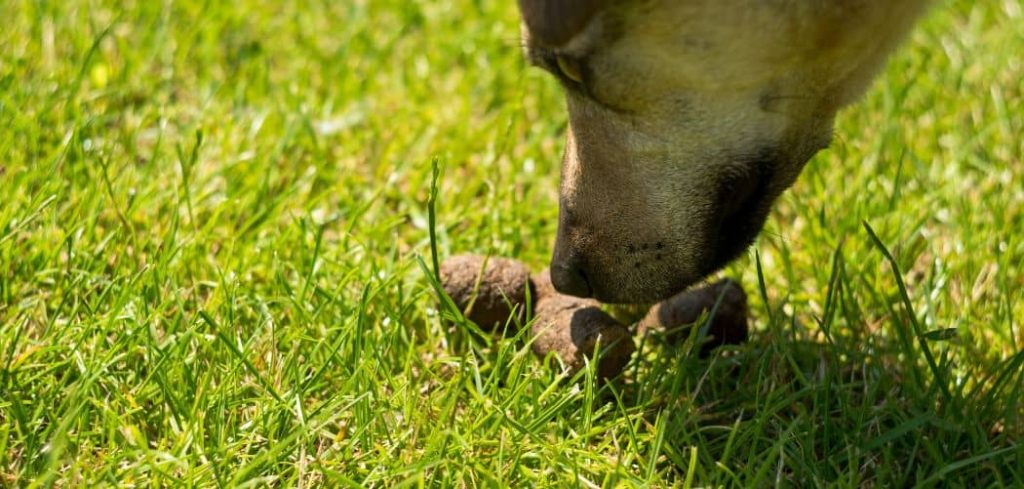
Common Causes of Yellow Dry Crumbly Dog Poop
1. Dehydration or Insufficient Water Intake
When a dog does not take in enough water, the body may absorb more fluid from the stool in an effort to conserve water. This can leave poop dry, hard, and crumbly rather than soft and easy to pass.
Reduced water intake can occur when a dog’s water bowl is not readily accessible, the water is unappealing, or the dog is unwell. Hot weather, increased activity, vomiting, and diarrhea can also increase fluid needs.
Check that your dog has continuous access to fresh, clean water. If your dog is drinking much less than usual, has dry or tacky gums, seems weak, or is passing very little urine, contact your veterinarian promptly.
Related: Dog pooping yellow mucus (Causes and treatment)
2. A Low-Moisture Diet
A diet consisting mainly of dry kibble contains less water than canned food or a moisture-rich diet. For some dogs, particularly those that drink little water, this may contribute to firmer stool.
However, dry food alone does not necessarily cause constipation, and yellow coloring is not an expected diagnosis based on diet type alone.
The overall ingredients, amount eaten, hydration, and individual digestive function all matter.
If your dog’s poop has become unusually dry after a dietary change, discuss appropriate feeding and hydration options with your veterinarian.
Adding water to your dog’s usual food may help increase moisture intake if your dog tolerates it.
Related: Dog pooping yellow liquid but acting normal (Here’swhy)
3. Dietary Changes or New Ingredients
Changing your dog’s food, introducing new treats, or feeding unfamiliar ingredients can alter stool color and consistency.
Certain ingredients may produce lighter-colored stool, while changes in fiber content can affect how firm or dry it becomes.
The timing can provide a useful clue. If the yellow, crumbly poop appeared soon after a food change, the new diet may be contributing, although this cannot be confirmed from appearance alone.
Keep your dog’s diet consistent and avoid repeatedly switching foods to correct a single unusual bowel movement.
If the change continues or your dog develops other symptoms, ask your veterinarian whether the diet needs adjustment.
4. Too Much Bone or Calcium in the Diet
Eating bones or receiving excessive calcium from supplements or an improperly balanced homemade diet can produce unusually hard, pale, dry, or crumbly stool. In some cases, the stool becomes difficult or painful to pass.
This is particularly important if your dog regularly eats bones, including recreational bones, or receives calcium supplements without veterinary guidance.
Bones can also cause choking, intestinal injury, or obstruction.
Do not give bones or extra calcium to treat unusual stool. If your dog has eaten bones and is straining, vomiting, refusing food, or unable to pass stool, seek veterinary care immediately.
5. Constipation
Constipation occurs when a dog has difficulty passing stool or passes it less frequently than normal. As stool remains in the colon, it loses water and may become hard, dry, and crumbly.
Dogs with constipation may squat repeatedly, strain, pass small amounts of stool, or appear uncomfortable during bowel movements.
Severe constipation can cause reduced appetite, vomiting, and abdominal discomfort.
Yellow coloring does not establish that constipation is the only problem. If your dog repeatedly strains, passes very little stool, or appears uncomfortable, contact your veterinarian.
Do not give human laxatives or enemas unless specifically directed by a veterinarian.
6. Changes in Digestion or Bile Processing
Bile helps the body digest fats and contributes to the normal color of stool. Changes in digestion or the speed at which intestinal contents move can sometimes affect stool color.
Yellow or pale stool can occur for several reasons, and color alone cannot confirm a liver, gallbladder, or pancreatic disorder.
Persistently very pale, grayish, or clay-colored stool is more concerning than a single slightly yellow bowel movement, particularly if other symptoms occur.
If the stool repeatedly looks unusually pale or yellow, arrange a veterinary appointment. Seek immediate attention if the change accompanies yellowing of the eyes or gums, vomiting, poor appetite, or marked tiredness.
7. Poor Digestion or Nutrient Absorption
Some digestive conditions interfere with the breakdown or absorption of food. This can cause unusual stool color, changes in consistency, increased stool volume, or recurring digestive problems.
Depending on the condition, your dog may also have gas, diarrhea, weight loss, or a persistently poor appetite.
A dry, crumbly texture alone is not enough to identify a nutrient absorption problem, but recurring color changes combined with other symptoms warrant investigation.
If your dog continues producing abnormal stool or loses weight despite eating, contact your veterinarian rather than trying supplements or dietary remedies without guidance.
8. Age-Related Changes and Underlying Health Problems
Senior dogs may develop changes in activity, hydration, mobility, or digestive function that affect bowel movements.
Joint discomfort can also make it difficult for an older dog to assume a comfortable position to poop, potentially contributing to less frequent bowel movements.
However, yellow, crumbly stool should not automatically be attributed to aging.
Older dogs can develop constipation, dehydration, medication side effects, and digestive or organ-related conditions that require treatment.
If your senior dog develops a new or persistent stool change, arrange a veterinary assessment, particularly if appetite, drinking, weight, or energy levels also change.
Related: Yellow dog poop pancreatitis (Causes and when to worry)
Yellow Dry Crumbly Dog Poop but Acting Normal
If your dog has one yellow, crumbly bowel movement but is eating, drinking, playing, and pooping without difficulty, the change may be related to diet or hydration. Normal behavior is reassuring, but it does not completely rule out an early health problem.
Monitor the next few bowel movements and check whether the stool returns to its usual color and consistency. Ensure fresh water is available and avoid introducing new foods or supplements while observing the pattern.
If the abnormal stool keeps returning, becomes very pale, or is accompanied by straining, vomiting, appetite changes, or weight loss, contact your veterinarian.
Yellow Dry Crumbly Dog Poop and Constipation
When yellow, crumbly poop is also difficult to pass, constipation may be contributing to the problem. Stool that remains in the colon longer loses more water and can become hard and uncomfortable to eliminate.
Watch for repeated squatting, straining, small amounts of stool, or signs of discomfort. Make sure your dog has access to water, but do not attempt to treat significant constipation with human laxatives, oils, or enemas without veterinary guidance.
Contact your veterinarian if your dog repeatedly strains or cannot pass stool. Vomiting, abdominal swelling, significant pain, or repeated unsuccessful attempts to poop require urgent assessment.
Also make sure your dog is actually trying to defecate, because difficulty urinating can sometimes be mistaken for constipation and may be an emergency.
What to Do If Your Dog Has Yellow Dry Crumbly Poop
- Provide fresh water. Ensure your dog can drink clean water throughout the day. You can consider adding water to your dog’s usual food if appropriate, but seek veterinary advice if your dog is reluctant to drink or appears dehydrated.
- Review your dog’s diet. Think about recent food changes, new treats, bones, supplements, and table scraps. Keep meals consistent and avoid adding calcium or other supplements unless your veterinarian recommends them.
- Monitor bowel movements. Note how often your dog poops, whether the stool is hard or painful to pass, and whether its color returns to normal. A photograph can help your veterinarian assess a persistent change.
- Encourage normal activity. Gentle, regular walks may support normal bowel movements in dogs that are otherwise comfortable. Do not force exercise if your dog seems weak, painful, or unwell.
- Avoid home remedies that may be unsafe. Do not give human laxatives, enemas, mineral oil, or medications intended for another pet without veterinary guidance. If constipation or an obstruction is possible, the wrong treatment can be dangerous.
- Arrange veterinary care if the change persists. Repeated yellow, dry, crumbly stool, especially with straining or other symptoms, should be assessed rather than managed through repeated diet changes alone.
When to Call or Visit Your Vet
One unusual bowel movement in an otherwise healthy dog may be less concerning than a persistent pattern.
Contact your veterinarian if yellow, dry, crumbly poop continues, keeps returning, or is associated with constipation.
Seek immediate veterinary care if your dog has:
Repeated straining or difficulty passing stool.
Very pale, gray, or clay-colored stool that persists.
Vomiting, loss of appetite, or unusual tiredness.
Blood in the stool or significant discomfort during bowel movements.
Unexplained weight loss or recurring digestive changes.
Reduced drinking or signs of dehydration.
Seek urgent veterinary care if your dog cannot pass stool and is becoming distressed, has a swollen or painful abdomen, repeatedly vomits, collapses, or appears severely unwell.
If your dog is straining but cannot urinate, seek emergency veterinary care.
Puppies, senior dogs, and dogs with existing health conditions may need earlier assessment when their bowel movements change.
Yellow Dry Crumbly Dog Poop: Treatment
Treatment depends on the underlying cause. Mild constipation may improve with veterinarian-guided adjustments to diet and water intake, while persistent constipation may require medication or other veterinary treatment.
If the color change is related to a digestive or organ disorder, treatment will focus on that condition; stool changes caused by bones, excessive calcium, or an unbalanced diet require correcting the dietary problem safely.
Key Takeaway
Yellow, dry, crumbly dog poop may be associated with dehydration, constipation, dietary changes, bone consumption, or altered digestion.
The appearance alone cannot identify the cause, so pay attention to how frequently it occurs and whether your dog can pass stool comfortably.
Provide fresh water, keep your dog’s diet consistent, and monitor subsequent bowel movements.
If the change persists, your dog strains, or other symptoms develop, contact your veterinarian to determine whether treatment is needed.


