
When a dog suddenly becomes aggressive toward the person they love and trust, it can feel frightening, confusing, and deeply upsetting.
Many dog owners worry that their dog has “changed overnight” or no longer feels safe around them.
Why Does My Dog Suddenly Turn on Me: Why It Happens
A dog suddenly turning on their owner is most often caused by underlying pain, fear, confusion, neurological changes, or emotional stress that alters how the dog perceives safety and threat.
Medical conditions such as arthritis, dental disease, brain disorders, or hormonal imbalances can lower a dog’s tolerance for handling, while anxiety, past trauma, environmental changes, and cognitive decline may make a familiar person seem unpredictable or frightening.
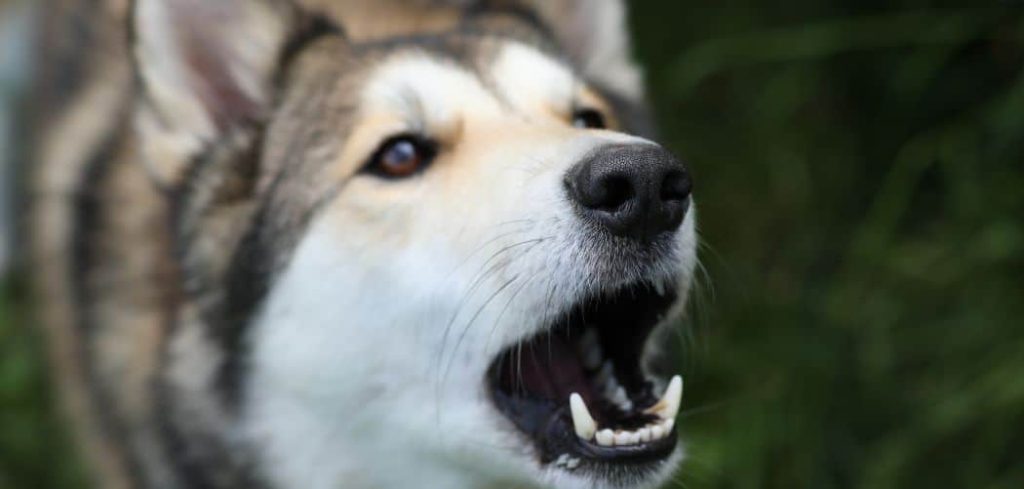
In many cases, aggression is not a sign of “bad behavior,” but rather a warning signal that something is physically or emotionally wrong. When dogs feel vulnerable, uncomfortable, or unsafe, they may resort to snapping, growling, or biting as a form of self-protection.
Why Does My Dog Suddenly Turn on Me: Common Causes
Undiagnosed Pain or Physical Discomfort
One of the most common and overlooked reasons dogs suddenly become aggressive is hidden pain.
Dogs are instinctively good at masking discomfort. Conditions such as arthritis, hip dysplasia, spinal disease, muscle injuries, ear infections, dental infections, and abdominal pain can worsen slowly over time. A dog may tolerate handling for weeks or months until the pain reaches a breaking point.
When you touch a sore area, lift them, brush them, hug them, or move them unexpectedly, the sudden discomfort may trigger a defensive reaction. The dog is not being mean. They are reacting instinctively to protect themselves from pain.
You may notice stiffness, reluctance to jump, limping, slower movement, whining, licking certain areas, or avoiding touch before aggression appears.
Pain-related aggression often seems “out of nowhere,” but it is usually the final stage of long-standing discomfort.
Related: My dog is suddenly scared of me (Here’s why)
Fear-Based Aggression and Anxiety Disorders
Fear is another major trigger for sudden aggression toward owners. Dogs with anxiety may feel overwhelmed by everyday situations such as loud noises, visitors, routine changes, unfamiliar smells, or even changes in your tone of voice.
Over time, chronic stress builds up and lowers their ability to cope.
When a fearful dog feels trapped, startled, or confused, they may react defensively. This can happen during grooming, being woken suddenly, being cornered, or being approached while resting.
Some dogs develop generalized anxiety disorders, separation anxiety, or noise phobias that make them constantly on edge. In these cases, aggression is not intentional. It is a panic response.
Signs may include trembling, pacing, hiding, excessive licking, panting, clinginess, or destruction before aggressive episodes appear.
Neurological Disorders and Brain Changes
Problems affecting the brain can dramatically change a dog’s behavior. Brain tumors, encephalitis, seizures, head trauma, strokes, and inflammatory brain diseases can disrupt normal emotional control. Dogs may suddenly become irritable, disoriented, confused, or reactive.
In senior dogs, canine cognitive dysfunction (dog dementia) is a major cause of unexpected aggression. As the brain ages, dogs may struggle to recognize familiar people, understand routines, or process sensory input correctly.
They may wake up confused, become startled easily, or misinterpret normal interactions as threats. This can lead to snapping at owners they have trusted for years.
You may notice pacing, night waking, staring, house-soiling, confusion, or personality changes along with aggression.
Resource Guarding That Has Escalated
Resource guarding occurs when a dog becomes protective over things they value.
This may include food, treats, toys, beds, favorite spots, bones, or even certain people. Some dogs guard these resources quietly at first by stiffening, freezing, or growling. If these early signs go unnoticed, the behavior can escalate.
Over time, the dog learns that snapping or biting makes the “threat” go away. Eventually, they may skip warning signs and go straight to aggression.
Resource guarding often develops gradually, so owners may not realize it is happening until it becomes severe.
Triggers usually include approaching while the dog is eating, reaching for objects, moving them from resting spots, or interacting with favored items.
Hormonal Imbalances and Medical Conditions
Hormonal and metabolic disorders can affect mood, impulse control, and stress tolerance.
Conditions such as hypothyroidism, Cushing’s disease, Addison’s disease, and diabetes can cause irritability, anxiety, fatigue, and behavioral changes.
Low thyroid levels, in particular, have been linked to increased aggression in some dogs. Hormonal imbalance may make dogs more reactive, less patient, and less able to regulate emotions.
Chronic illnesses such as kidney disease, liver disease, heart disease, and gastrointestinal disorders can also contribute by causing ongoing discomfort and weakness.
When a dog feels unwell most of the time, their tolerance for interaction decreases.
Trauma
Dogs remember negative experiences, even if owners are unaware of them.
A painful grooming session, accidental injury, harsh punishment, veterinary trauma, or frightening incident can create lasting associations. The dog may begin to associate certain movements, objects, or situations with danger.
For example, a dog who was hurt while being picked up may later snap when lifted. A dog startled during sleep may react aggressively when awakened. A dog frightened by yelling may respond to raised voices with fear.
Rescue dogs and dogs with unknown histories are especially prone to trauma-related aggression.
This type of aggression often appears situational and inconsistent, depending on what triggers the memory.
Related: My dog is licking me excessively (What it means)
What to Do If Your Dog Suddenly Turns on You
If your dog has begun showing aggression toward you, the first step is to prioritize safety for everyone in the home.
Avoid physical punishment, yelling, or forcing interactions. These responses increase fear and worsen aggression. Instead, create calm, predictable routines and give your dog space when they appear uncomfortable.
Observe carefully for patterns. Notice when the aggression occurs, what happens beforehand, and what seems to trigger it. This information is extremely valuable for your veterinarian and behavior specialist.
Schedule a full veterinary examination as soon as possible. Request bloodwork, pain assessment, neurological evaluation, and physical exams to rule out medical causes. Treating underlying illness often dramatically improves behavior.
Reduce stress in your dog’s environment. Maintain consistent feeding times, walks, sleeping areas, and household routines. Provide quiet resting spaces where your dog will not be disturbed.
Use positive reinforcement to rebuild trust. Reward calm behavior, gentle interactions, and relaxed responses with praise and treats. Avoid situations that force confrontation while training is underway.
If needed, work with a certified veterinary behaviorist or qualified dog trainer who specializes in aggression cases. Professional guidance is often essential for long-term success.
When to Call or Visit Your Veterinarian
You should contact your veterinarian immediately if aggression appears suddenly and without warning.
Seek urgent care if your dog shows aggression along with lethargy, vomiting, seizures, collapse, confusion, head pressing, loss of coordination, or vision problems. These may indicate neurological emergencies.
If your dog has bitten, broken skin, or repeatedly attempted to attack, professional evaluation is critical. Aggression that escalates rapidly is dangerous and should not be managed alone.
Behavior changes combined with appetite loss, weight loss, excessive thirst, coughing, pain signs, or urinary problems may point to serious internal disease.
In senior dogs, any sudden personality change should always be medically investigated.
Never assume aggression is “just behavioral” until medical causes are ruled out.
Read more: Why does my dog only hump me? (Here’s Why)
Key Takeaway
When a dog suddenly turns on their owner, it is almost always a sign that something is wrong physically, emotionally, or neurologically. Pain, fear, illness, cognitive decline, and past trauma can all disrupt a dog’s sense of safety and cause defensive aggression.
Rather than seeing this behavior as betrayal or disobedience, it is important to view it as communication. Your dog is telling you they are uncomfortable, scared, or unwell.
With immediate veterinary care, patience, structured support, and professional guidance when needed, many dogs can regain trust and emotional stability.