
A small dog shaking after a vaccine can be frightening to watch, especially when it happens suddenly and without warning. While mild shaking can be part of a normal immune response, more intense trembling may signal pain, fever, or a more serious reaction that needs attention.
We explain why this possible vaccine reaction happens, what to do and when to contact your veterinarian or an emergency clinic immediately.
Small Dog Shaking After Vaccine: Why It Happens
Small dog shaking after a vaccine most often happens because the immune system is reacting to the injection, causing inflammation, soreness, fever, or stress on the body.
In small breeds, this response can appear more dramatic because they have less body mass to buffer changes in temperature, pain, or blood pressure.
Shaking may also be linked to localized injection site discomfort, mild allergic reactions, low blood sugar, or nervous system irritation triggered by immune activation.
While many dogs recover within a day or two, shaking that worsens or continues can signal a more serious complication.
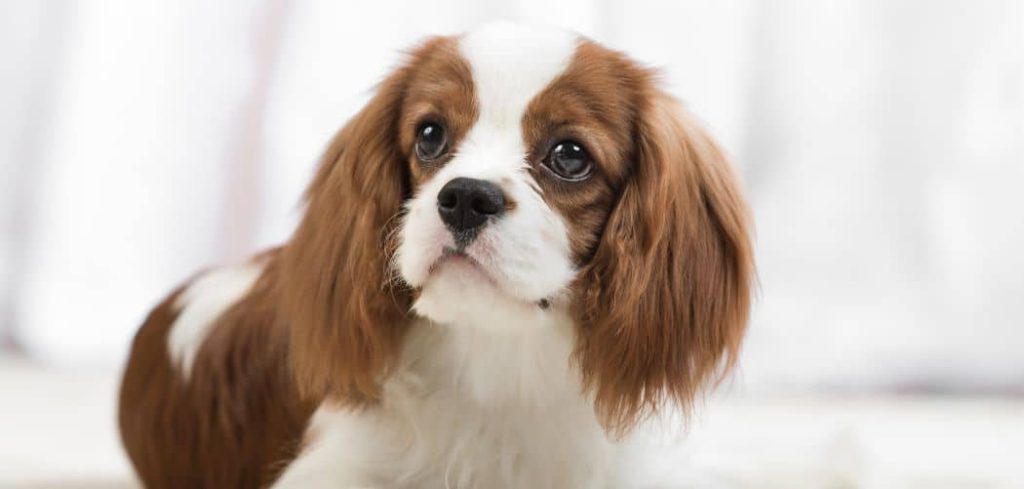
Small Dog Shaking After Vaccine: Common Causes
Normal Immune System Activation
Vaccines work by stimulating the immune system to recognize and fight disease, which means the body briefly enters a state of inflammation.
In small dogs, this immune activation can feel intense and uncomfortable, leading to trembling or shaking as the body releases inflammatory chemicals.
You may notice your dog acting tired, warm, or less playful while also shaking slightly. This type of shaking is often mild and fades as the immune system settles, but because small dogs have less physical reserve, even normal immune responses can look dramatic.
Read more: Dog In Pain After Vaccine (What discomfort after shots really means)
Injection Site Pain and Muscle Inflammation
Small dogs often experience soreness where the vaccine was injected, especially in the shoulder or hip muscles.
The inflammation in these tight muscle groups can trigger discomfort, stiffness, and shaking as the dog tries to move or rest.
Your dog may flinch when touched near the injection site, avoid using one leg, or seem restless when lying down.
Pain-related shaking is a protective response, and in tiny breeds, even minor swelling or pressure can lead to visible trembling.
Mild Allergic Reaction
Some dogs develop mild allergic responses to vaccine components such as proteins, preservatives, or stabilizers.
These reactions can cause shaking along with facial swelling, itchy skin, hives, or redness around the eyes and mouth.
In small dogs, allergic reactions can progress faster because of their size, making shaking one of the earliest warning signs.
Even if symptoms start mild, they should never be ignored because allergic reactions can escalate quickly.
Low Blood Sugar (Hypoglycemia)
Small and toy breeds are especially prone to blood sugar drops after stress, such as a vet visit and vaccination.
Shaking can occur when glucose levels fall, as the brain and muscles do not get enough energy to function properly.
You might also notice weakness, wobbling, glassy eyes, or unusual quietness. Hypoglycemia after a vaccine is more common in puppies and very small adults, making it an important cause to rule out when shaking appears.
Vaccine Related Fever
Vaccines can cause a temporary fever as part of the immune response. In small dogs, even a slight temperature increase can lead to chills, shaking, and fatigue.
Your dog may feel warm to the touch, seem uncomfortable, or refuse food. Fever-related shaking often improves as the temperature normalizes, but persistent fever can indicate infection or an excessive inflammatory reaction.
Neurological or Severe Inflammatory Reaction
In rare cases, vaccines may trigger inflammation affecting the nervous system, leading to tremors, muscle spasms, or coordination problems.
Small dogs can be more vulnerable to these reactions due to their size and metabolism.
This type of shaking is usually more intense and may come with weakness, confusion, or difficulty standing. These signs require immediate veterinary attention.
Read more: Dog Hives After Vaccine (How to recognize allergic reactions early)
What to Do If Your Small Dog Is Shaking After a Vaccine
If your small dog is shaking after a vaccine, keep them in a warm, quiet space where they can rest without stimulation. Stress and noise can make trembling worse.
Offer fresh water and a light meal if your dog is willing to eat, as hydration and blood sugar support can help stabilize their system.
Gently observe the injection site for swelling, heat, or pain, but avoid massaging it unless directed by your veterinarian.
Keep activity limited for 24 hours so the body can focus on recovering rather than physical exertion.
If your dog is very small, providing a warm blanket or safe heat source can help regulate body temperature and reduce chills.
When to Call or Visit Your Vet
Call your vet immediately if shaking lasts longer than 24 hours or continues to worsen instead of improving.
Seek urgent care if shaking is accompanied by facial swelling, hives, vomiting, difficulty breathing, or collapse, as these may indicate a serious allergic reaction.
If your dog seems weak, confused, unable to stand, or unresponsive, emergency care is needed because neurological involvement is possible.
Persistent fever, extreme lethargy, or refusal to eat or drink after vaccination also require veterinary evaluation.
Read more: Dog side effects after vaccines (Possible reactions explained)
Key Takeaway
Small dog shaking after a vaccine is often caused by immune response, pain, or mild reactions, but it should never be ignored.
While many dogs recover quickly with rest and monitoring, shaking that persists or worsens can signal a serious complication.
Watching closely and acting quickly when symptoms change helps keep your dog safe and ensures a smooth recovery after vaccination.