
Seeing your puppy throwing up after vaccines can be alarming, especially when they’re so small and vulnerable. Vomiting after shots isn’t always dangerous, but it can sometimes signal a reaction that needs attention.
This guide explains the most common causes of a puppy throwing up after vaccines, what you can do at home, and when it’s best to involve your veterinarian.
Puppy Throwing Up After Vaccines: Why It Happens
A puppy throwing up after vaccines usually stems from mild vaccine-related nausea, stress from the appointment, temporary immune system activation, or a more serious vaccine reaction.
Many puppies experience brief stomach upset after receiving their shots, especially if the visit was stressful or if they had an empty stomach.
Some puppies are sensitive to components in vaccines and may experience vomiting as part of a mild reaction. In rare cases, vomiting may signal an allergic response that requires fast action.
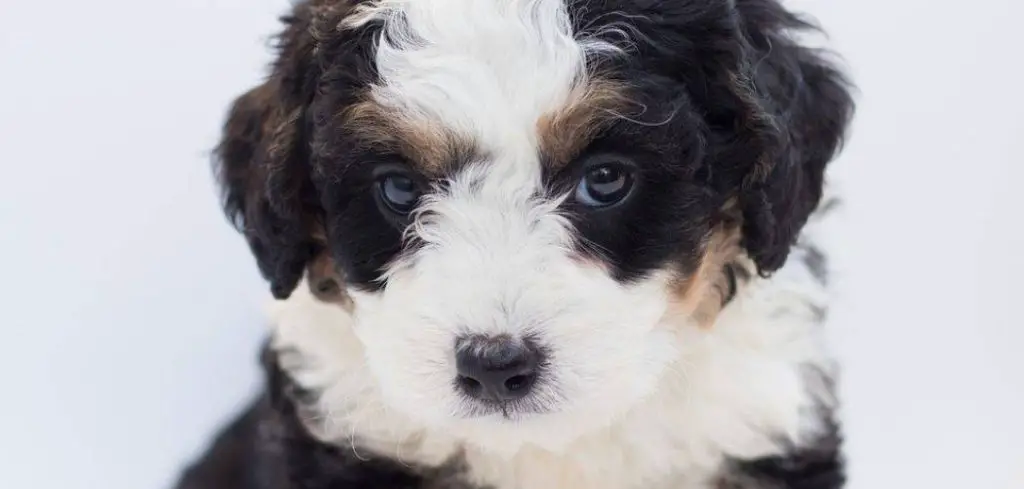
Puppy Throwing Up After Vaccines: Common Causes
Mild Vaccine Reaction
A very common reason for a puppy throwing up after vaccines is a mild reaction to the vaccine ingredients.
Vaccines stimulate the immune system, and in young puppies with developing bodies, this can sometimes trigger temporary nausea or stomach upset. Your puppy may vomit once or twice shortly after arriving home.
You might notice your puppy feeling a little quieter than usual, sleeping more, or eating less for the rest of the day.
This is usually not dangerous, but monitoring your puppy closely is important because mild reactions can occasionally become more serious.
Related: Dog diarrhea after vaccines (Why it happens)
Stress and Overstimulation at the Vet
The vet visit itself can be stressful for many puppies. New smells, new people, handling, restraint, and strange noises can raise stress hormones.
Stress alone can cause stomach upset, especially when combined with car rides, excitement, or fear.
A puppy who is overwhelmed may vomit soon after arriving home simply because their body is reacting to the sensory overload.
If your puppy was panting heavily, whining, or shaking at the clinic, stress-induced vomiting is a likely explanation.
Eating Too Soon After Vaccines
Some puppies vomit after their vaccines because they eat immediately after the appointment.
The stimulation, adrenaline, and movement during the vet visit can upset their stomach. When a puppy rushes home and eats too quickly, especially if they were hungry beforehand, vomiting can occur.
This type of vomiting typically happens within 1–2 hours after shots and is usually mild.
However, repeated vomiting should not be ignored, especially in a very young or small puppy.
Sensitivity to a Vaccine Component
A puppy throwing up after vaccines may be reacting to one of the ingredients used in the vaccine rather than the vaccine’s purpose itself.
Some components can be irritating to sensitive digestive systems. While not an allergy, this sensitivity can cause nausea, vomiting, or discomfort.
These reactions usually happen within a few hours of vaccination and may be accompanied by mild swelling at the injection site or slight lethargy.
It’s important to tell your vet if your puppy has had this reaction before, as they may alter the vaccination schedule or type.
Allergic Reaction
A more serious but less common cause of vomiting after vaccines is an allergic reaction.
Puppies experiencing an allergic response may vomit repeatedly, often within minutes to an hour after receiving the shot. This can occur alongside other symptoms such as facial swelling, hives, drooling, restlessness, or difficulty breathing.
Allergic reactions require quick veterinary care and can escalate into an emergency if ignored.
While rare, this possibility means any vomiting that seems intense, persistent, or unusual should prompt a call to your vet.
Fever
Vaccines intentionally activate the immune system so it learns to fight disease. In some puppies, this activation leads to a temporary fever. Even a mild fever can cause nausea and vomiting.
Your puppy may seem tired, warm to the touch, or uninterested in food. Vomiting due to vaccine-related fever usually resolves within 24 hours but must be monitored carefully to ensure it doesn’t progress.
Very young puppies can become dehydrated quickly, so fever paired with vomiting should always be taken seriously.
Related: Dog throwing up after vaccines (Understanding the causes)
What to Do If Your Puppy Is Throwing Up After Vaccines
If your puppy is throwing up after vaccines, start by staying calm and observing them closely. One or two mild episodes of vomiting can be normal, especially if they seem otherwise comfortable and alert.
Give them time to settle before offering food again, and wait several hours before trying small amounts of water or bland food.
Puppies often benefit from a quiet, low-stimulation environment after their shots, so let them rest in a cozy spot away from noise or activity.
Avoid feeding them treats or rich foods, as this can irritate a sensitive stomach. If the vomiting stops, you can gradually reintroduce small amounts of food later in the day.
Monitor for additional symptoms such as diarrhea, swelling around the face, or difficulty breathing, as these can signal a vaccine reaction that needs medical care.
If your puppy vomits repeatedly or seems unusually lethargic, weak, or distressed, it’s important to contact your vet promptly.
In some cases, your vet may recommend adjustments to future vaccines, such as giving antihistamines beforehand, spacing vaccines out, or using different brands. Keeping a record of your puppy’s reactions will help your veterinarian determine the safest plan moving forward.
When to Call or Visit Your Vet
If your puppy vomits more than once or twice and seems unable to keep anything down, it’s a sign to contact your vet. Puppies dehydrate quickly, especially after vaccines when their immune system is already responding. If vomiting is paired with diarrhea, the risk is even higher.
Any vomiting that occurs immediately after vaccination, especially within minutes to an hour, should be taken seriously.
Sudden vomiting accompanied by facial swelling, hives, or difficulty breathing can indicate an allergic reaction. This requires immediate veterinary attention.
If your puppy becomes extremely lethargic, collapses, or seems disoriented, this is also a sign of a potential adverse vaccine reaction.
A high fever, nonstop panting, or whining in pain are additional red flags. Even if you’re unsure, it’s safer to call your veterinarian, describe the symptoms, and follow their guidance.
Puppies under 12 weeks old are especially vulnerable, so it is always better to be safe than sorry.
Read more: Puppy loose stool and no other symptoms (When you should worry)
Key Takeaway
A puppy throwing up after vaccines can be frightening, but many cases are mild and resolve quickly.
Vaccines are essential for protecting your puppy from serious illnesses, and short-term stomach upset is often a manageable side effect. The key is to watch your puppy closely, offer comfort and rest, and avoid food until their stomach settles.
If the vomiting becomes persistent, severe, or is paired with swelling, breathing issues, or extreme lethargy, seek veterinary help right away.
By understanding the common causes and knowing when to take action, you can keep your puppy safe, comfortable, and protected as they move through their important vaccination schedule.