
If your puppy has not pooped in 24 hours, it is understandable to wonder whether something is wrong.
Puppies can have changes in bowel movements when their food, feeding schedule, water intake, activity, or routine changes.
Missing one bowel movement does not automatically mean that a puppy is constipated or seriously ill.
However, puppies deserve closer attention than healthy adult dogs because they are still developing and can become unwell more quickly when they are dehydrated, stop eating, vomit, or develop a gastrointestinal problem.
What matters most is whether the puppy is otherwise comfortable, eating and drinking normally, active, and showing no signs of straining or abdominal discomfort.
Table of Contents
Puppy Has Not Pooped in 24 Hours: Here's Why
A puppy that has not pooped for 24 hours may simply have produced less stool than usual, particularly if it has eaten less, recently changed foods, or had a change in routine. However, constipation can also develop when a puppy is dehydrated, eats indigestible material, or does not get enough appropriate fiber.
Puppies that swallow toys, bones, fabric, or other objects can also develop an intestinal blockage that prevents normal bowel movements.
If a puppy has not pooped for 24 hours but is eating, drinking, active, comfortable, and not straining, contact your veterinarian for guidance rather than simply extending home monitoring for another day.
If the puppy is repeatedly straining without producing stool, or develops vomiting, abdominal pain, swelling, weakness, or loss of appetite, veterinary assessment should be sought immediately.
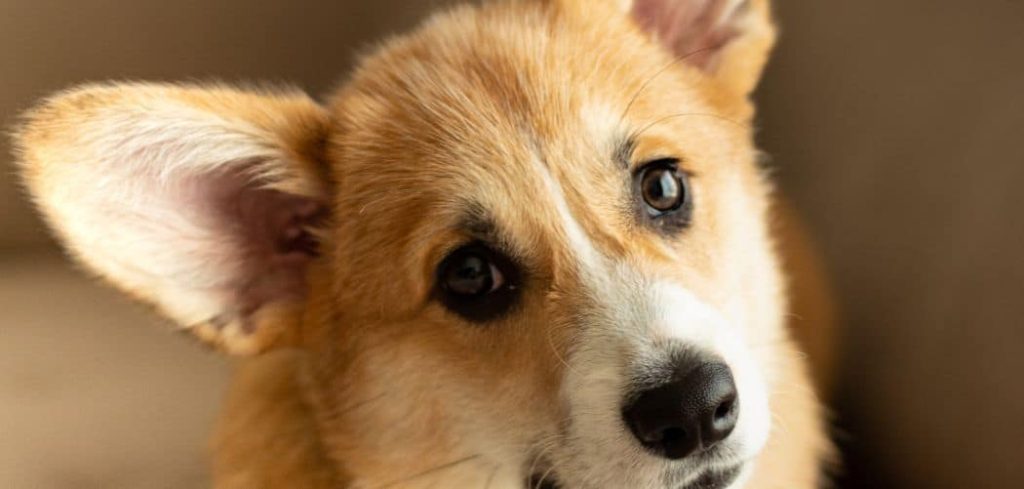
Puppy Has Not Pooped in 24 Hours: Common Causes
Eating Less Than Usual
A puppy that has eaten less food will generally have less material available to form stool.
This can happen temporarily after a change in routine or mild digestive upset.
However, if your puppy is refusing food rather than simply eating a little less, the appetite change is more important than the missing bowel movement itself.
Related: Dog has not pooped in 3 days (Is it an emergency?)
Diet Changes
Changing a puppy’s food can temporarily alter bowel habits. A new diet may affect the amount, consistency, and frequency of stool.
Abrupt dietary changes can also contribute to digestive upset, so a puppy’s bowel movements may change while adjusting to a different food.
Not Drinking Enough Water
Water intake affects the moisture content of stool. When a dog becomes dehydrated, stool can become harder and more difficult to pass.
Dehydration may occur because a puppy is drinking less, losing fluid through vomiting or diarrhea, or developing an illness that affects normal fluid balance.
Eating Something Indigestible
Puppies are naturally curious and may chew or swallow objects they should not. Bones, pieces of toys, fabric, rocks, or other indigestible material can become mixed with feces or, more seriously, contribute to an intestinal blockage.
Foreign material is an important consideration when a puppy suddenly stops passing stool, particularly if vomiting, abdominal pain, or loss of appetite develops.
Mild Constipation
A puppy may develop temporary constipation, resulting in a delay in bowel movements.
Signs can include repeatedly squatting, circling, straining, or producing only small amounts of hard stool.
Some constipated dogs may pass a small amount of liquid material around a retained fecal mass, which can sometimes be mistaken for diarrhea.
Related: Dog hasn’t pooped but is acting normal (Here’s why)
Intestinal Parasites
Parasites are particularly relevant in puppies because young dogs are frequently exposed to intestinal parasites and can become reinfected.
Parasite infections more commonly cause diarrhea, abnormal stools, poor growth, or other gastrointestinal signs rather than simply no bowel movement.
Fecal testing is often used to look for intestinal parasites in puppies, especially when gastrointestinal problems or poor weight gain are present.
Stress or a Change in Routine
Travel, a new home, changes in feeding times, unfamiliar surroundings, or other stressful events can affect a puppy’s normal elimination habits.
A temporary change is less concerning when the puppy remains bright, comfortable, and interested in food and water.
Intestinal Obstruction
An intestinal obstruction is a more serious possibility when a puppy has swallowed a foreign object.
A blockage can interfere with the normal movement of intestinal contents.
Signs may include vomiting, loss of appetite, abdominal pain or swelling, lethargy, and difficulty passing stool. Not every puppy with an obstruction will initially show every symptom.
Puppy Has Not Pooped in 24 Hours but Is Acting Normal
If your puppy has not pooped in 24 hours but is eating, drinking, playful, comfortable, and not repeatedly trying to defecate, the situation may not be an emergency.
Some dogs naturally have slightly different bowel schedules, and one missed bowel movement does not by itself establish constipation. Most dogs produce stool at least once daily, but individual patterns vary.
Contact a veterinarian if your dog has not produced a bowel movement within 48–72 hours of the previous one.
For a puppy, though, it is better to pay attention to changes in overall behavior rather than waiting for a specific number of hours.
If the puppy develops vomiting, refuses food, becomes unusually quiet, or begins straining, veterinary advice should be sought sooner.
Puppy Has Not Pooped in 24 Hours and Is Straining
A puppy that has not pooped for 24 hours and is repeatedly straining may be constipated or having difficulty passing stool. Puppies can develop constipation after eating something inappropriate, swallowing indigestible material, becoming dehydrated, or experiencing a sudden dietary change.
However, repeated straining without producing stool can also occur with an intestinal obstruction or another problem affecting the digestive tract.
Because puppies can become dehydrated and deteriorate more quickly than adult dogs, persistent straining should not be ignored.
Contact a veterinarian promptly if the puppy continues trying to poop without success, especially if there is vomiting, a swollen or painful abdomen, weakness, loss of appetite, blood, or suspected ingestion of a foreign object.
Puppy Has Not Pooped in 24 Hours and Is Vomiting
A puppy that is not passing stool and is also vomiting could have gastrointestinal inflammation, significant constipation, or an obstruction.
Puppies can also become dehydrated when they cannot keep food or water down. Immediate assessment for puppies that are vomiting, refusing food, lethargic, or showing other signs of illness is important.
If you suspect your puppy swallowed a toy, bone, fabric, rock, or another object, do not wait for the puppy to become severely ill before contacting a veterinarian.
When to Call or Visit the Vet
Contact your veterinarian immediately if your puppy has not pooped in 24 hours and develops any of the following:
Repeated straining without producing stool
Vomiting or repeated retching
Refusal to eat
Marked lethargy or weakness
A swollen, tense, or painful abdomen
Crying or obvious discomfort
Blood in the stool
Repeatedly passing only small amounts of mucus or liquid
A known or suspected ingestion of a toy, bone, rock, fabric, or other foreign material
Signs of dehydration
Difficulty urinating or repeated attempts to urinate without producing urine
A puppy that is repeatedly vomiting, severely weak, has significant abdominal pain or swelling, collapses, or cannot urinate needs urgent veterinary attention.
Puppy Has Not Pooped in 24 Hours: Treatment
Treatment depends on whether the puppy has temporary constipation or an underlying gastrointestinal problem.
Mild constipation may respond to veterinary-directed dietary or medical treatment, while an impacted stool mass or intestinal obstruction may require more involved treatment.
Puppies with persistent or worsening signs may need additional testing to identify the underlying cause.
Key Takeaway
A puppy that has not pooped in 24 hours is not automatically constipated or experiencing an emergency.
If the puppy is eating, drinking, active, comfortable, and not straining, a temporary change in bowel frequency may resolve without becoming a serious problem.
The situation becomes more concerning if the puppy is repeatedly trying to poop, vomiting, refusing food, becoming lethargic, developing abdominal pain or swelling, or may have swallowed something indigestible.
In those situations, veterinary assessment is important rather than simply waiting for the next bowel movement.


