
It’s worrying when your senior dog suddenly stops eating — even if they seem otherwise fine.
They might still wag their tail, play, or greet you happily, but their food bowl remains untouched. This mix of normal behavior and poor appetite can be confusing for any dog parent.
We outline the common reasons why an older dog may stop eating but still act normal, what you can do, and when to seek veterinary care.
Table of Contents
Older Dog Not Eating But Acting Normal: Why It Happens
When an older dog stops eating but still behaves normally, it often points to subtle physical changes or mild underlying issues rather than a serious illness.
Common causes include slowed digestion with age, changes in taste or smell, dental discomfort, mild stomach upset, or simply being picky due to routine or environment changes.
Some dogs may also skip meals temporarily because of stress, new foods, or minor pain that doesn’t yet affect their energy levels.
Older dogs often learn to mask discomfort well, so even if they appear “normal,” it’s important to monitor their appetite closely — appetite changes are among the earliest indicators that something may be off.
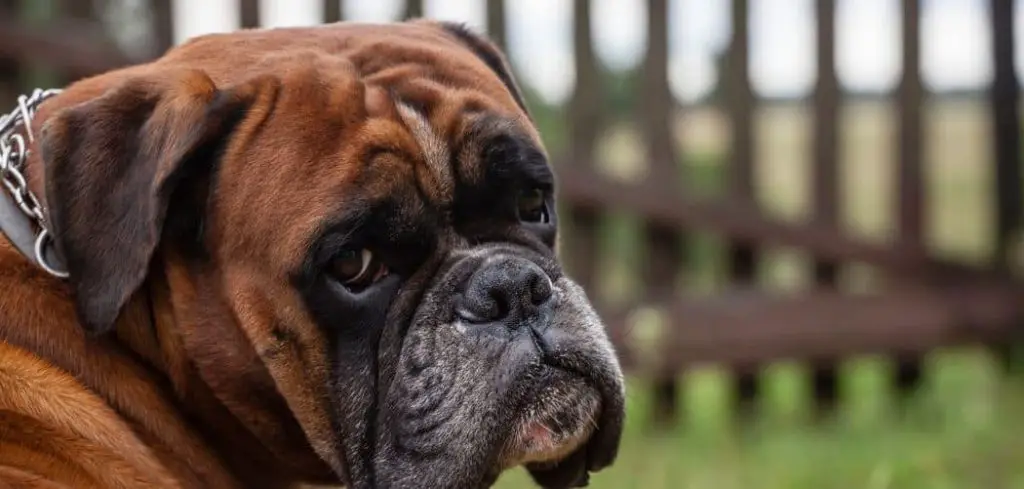
Older Dog Not Eating But Acting Normal: Common Causes
1. Natural Aging and Reduced Metabolism
As dogs age, their metabolism slows down. This means they burn fewer calories and may naturally eat less.
Senior dogs often sleep more and move less, which further reduces their need for energy. Some may even develop mild digestive sluggishness, causing food to take longer to move through the system — making them feel full faster.
While this reduced appetite can be perfectly normal, it’s essential to ensure your dog is still maintaining weight and hydration. A consistent drop in appetite, even with normal energy, can gradually lead to nutritional deficiencies over time.
Read more: Old Dog Not Eating (When to worry)
2. Dental Issues or Oral Pain
Dental disease is extremely common in older dogs and can make eating uncomfortable. Plaque buildup, inflamed gums, or loose teeth may cause your dog to avoid dry kibble or chew slower.
However, some dogs hide their discomfort surprisingly well. They may continue to play, drink water, and act normal — but quietly avoid meals that require chewing.
You might notice subtle signs like drooling, pawing at the mouth, dropping food, or favoring one side while chewing. Regular dental checkups and soft food alternatives can help maintain appetite without discomfort.
3. Food Preferences or Boredom With Diet
Just like people, dogs can get tired of the same food. If your older dog is refusing meals but seems perfectly healthy otherwise, they might simply be bored.
Aging can also change taste and smell perception, especially in dogs with reduced sensory sensitivity. What once smelled delicious may no longer appeal to them.
Try warming up their meals slightly or adding low-sodium chicken broth to boost aroma. Mixing a small amount of wet food with dry kibble often reignites interest in eating.
4. Mild Gastrointestinal Upset
Sometimes, a dog’s stomach just needs a short break. Eating something unusual outdoors, a sudden food switch, or mild indigestion can temporarily affect appetite.
In such cases, your senior dog may skip a meal or two but still seem happy, active, and alert. Usually, the appetite returns within 24–48 hours.
However, persistent loss of appetite — even without other symptoms — should be monitored carefully. Chronic mild GI issues like gastritis, acid reflux, or inflammatory bowel changes are more common in older dogs and can subtly affect eating habits.
5. Stress, Anxiety, or Environmental Changes
Dogs are sensitive to their surroundings and routines. A recent move, new pet, family changes, or even loud noises can trigger stress-related appetite loss.
Older dogs, in particular, are creatures of habit — they thrive on predictability. Disruptions, even minor ones like rearranging furniture or feeding at a different time, can throw them off.
If your dog seems otherwise cheerful but uninterested in food, look for environmental factors that might be influencing behavior. Calming routines, extra reassurance, and returning to familiar feeding patterns often help.
6. Early Stages of Underlying Illness
Sometimes, appetite loss is an early — and subtle — signal of a brewing health problem.
Conditions like kidney disease, liver changes, thyroid imbalance, or mild arthritis discomfort may begin with decreased appetite long before other signs appear. Dogs are experts at hiding discomfort, especially if it’s low-level or gradual.
That’s why it’s crucial not to dismiss changes in eating habits, even if your dog “seems fine.” A routine vet visit and blood panel can often catch these early-stage issues while they’re still easy to manage.
Read more: Old Dog Not Eating and Sleeping a Lot at Night (Here’s why)
Old Dog Not Eating Food But Eating Treats
When an old dog refuses meals but still eats treats, it often suggests selective appetite caused by dental pain, nausea, or preference changes.
Treats are usually softer, more flavorful, and easier to chew, which may explain why they are accepted while regular food is refused.
This behavior can also mask underlying illness, so it should not be assumed the dog is healthy just because it still eats treats.
Old Dog Stopped Eating Kibble But Acting Normal
Stopping kibble but acting normal may indicate dental pain, difficulty chewing hard food, or a preference for softer textures.
It can also be due to digestive sensitivity or aversion to certain ingredients. In older dogs, dental disease is one of the most common causes.
Switching to softer food may help temporarily, but the underlying cause should still be investigated.
Old Dog Not Eating or Drinking, But Acting Normal
A dog not eating or drinking but still acting normal may be in the early stages of illness, such as infection, digestive upset, or dental pain. In some cases, stress or environmental changes can temporarily reduce intake.
However, lack of both food and water intake is more concerning than food refusal alone.
If this persists beyond a short period, veterinary attention is needed to prevent dehydration and worsening health.
Senior Dog Not Eating But Drinking Water But Acting Normal
A senior dog that is still drinking water but not eating and otherwise acting normal may be experiencing mild nausea, dental issues, or early-stage illness.
However, appetite loss in older dogs is often an early warning sign even when behavior appears unchanged.
If food refusal lasts more than 24–48 hours, veterinary evaluation is needed.
Senior Dog Not Eating But Drinking Water and Sleeping A Lot
This combination often suggests illness such as infection, organ disease (kidney or liver), pain, or systemic weakness.
Increased sleep and reduced appetite together indicate that the body is conserving energy while dealing with an internal problem.
Because senior dogs can decline quickly, this pattern should be taken seriously and evaluated by a veterinarian.
Old Dog Not Eating for 3 days But Acting Normal
Not eating for three days is not normal, even if the dog still appears active. This can indicate serious underlying issues such as gastrointestinal disease, kidney problems, infection, or obstruction.
Dogs can mask illness well, so normal behavior does not rule out serious conditions.
This situation requires prompt veterinary evaluation to prevent dehydration, weakness, and organ stress.
How to tell if your old dog is nearing their end? Is an old dog not eating a sign?
Loss of appetite can be one sign that a dog is nearing the end of life, especially when combined with extreme fatigue, difficulty standing, weight loss, or loss of interest in surroundings.
However, not eating alone does not always mean end-of-life—it can also be caused by treatable conditions like infection, dental disease, or organ problems.
A full assessment of the quality of life and overall symptoms is important before making conclusions.
Related: Old Dog Behavior Before Death (What to expect)
What to Do If Your Old Dog Is Not Eating But Acting Normal
Start by observing carefully. Note how long the appetite change lasts, whether your dog still drinks water, and if there are any subtle behavior shifts — like pacing, licking lips, or more rest time than usual.
If your dog skips just one meal but seems otherwise normal, you can try these gentle steps at home:
- Warm their food slightly to enhance smell and flavor.
- Mix in a spoonful of canned food, bone broth, or boiled chicken to tempt appetite.
- Feed in a quiet, stress-free environment — sometimes older dogs get distracted easily.
- Ensure their bowl is clean and positioned comfortably (especially for arthritic dogs).
- Offer smaller, more frequent meals throughout the day instead of one or two large portions.
If the appetite loss continues beyond 48 hours — or recurs frequently — it’s time for a check-up. Chronic mild inappetence can lead to gradual weight loss, muscle decline, or malnutrition in older dogs.
When to Call or Visit Your Vet
Even if your dog acts normal, you should contact your vet if:
Appetite loss lasts more than two days
You notice subtle weight loss or muscle wasting
Your dog becomes pickier or suddenly dislikes familiar foods
There’s bad breath, drooling, or difficulty chewing
They drink significantly more or less than usual
They vomit occasionally or have changes in stool
Your vet may recommend blood tests, a dental exam, or dietary adjustments tailored to your dog’s age and health. Early evaluation helps identify manageable conditions before they become serious.
Remember, senior dogs often hide discomfort — so consistent monitoring and quick action can make a big difference in maintaining their quality of life.
Read more: Dog Not Eating (Here’s what it could mean)
Older dog not eating but acting normal: treatment
Treatment depends on the cause. The veterinarian may perform blood tests, dental checks, or imaging to identify underlying disease.
Treatment may include pain relief, antibiotics, anti-nausea medication, fluid therapy, or dietary adjustments, depending on the diagnosis.
At home, offering warm, soft, highly palatable food and ensuring hydration may help temporarily, but persistent appetite loss in older dogs always requires professional assessment to ensure proper treatment.
Key Takeaway
When an older dog isn’t eating but seems otherwise fine, it’s often due to mild, manageable causes like age-related appetite changes, food boredom, or minor digestive upset.
Still, appetite loss is one of the earliest signs of underlying health issues in senior dogs — so it should never be ignored.
Keep a close eye on eating habits, make small diet adjustments, and schedule a vet visit if the change persists.
With a bit of care, observation, and support, most senior dogs quickly return to their usual eating patterns — and keep enjoying their golden years comfortably.


