
When an old dog suddenly prefers staying outside instead of coming indoors, it can worry many dog owners.
This change in behavior often signals discomfort or an underlying health problem that deserves close attention.
Table of Contents
Old Dog Wants to Stay Outside: Why It Happens
When an old dog wants to stay outside, it is usually linked to physical discomfort, temperature sensitivity, cognitive changes, anxiety, pain, or chronic illness that makes indoor environments feel stressful or unpleasant.
Aging affects how dogs regulate body temperature, process sensory information, and cope with physical pain.
Joint disease, breathing problems, confusion, or digestive discomfort may cause indoor spaces to feel overwhelming. In some cases, outdoor areas simply feel quieter, cooler, or safer to the dog.
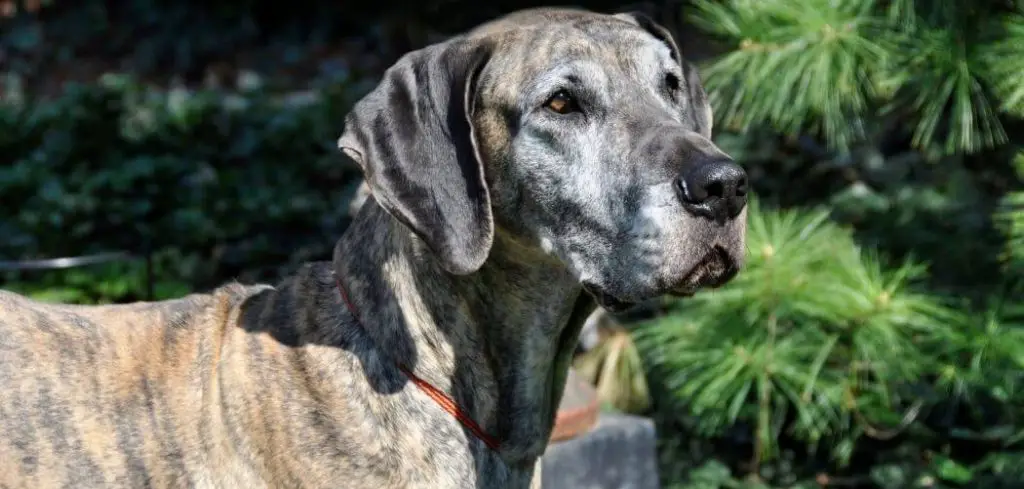
Old Dog Wants to Stay Outside: Common Causes
Arthritis and Chronic Joint Pain
Arthritis is one of the most common conditions affecting senior dogs. Degenerative joint disease causes stiffness, swelling, and pain, especially after resting or during cold mornings.
Hard indoor floors, stairs, and tight spaces may be difficult for an arthritic dog to navigate. Outdoor areas often provide softer ground and more room to stretch, making movement less painful.
Dogs with joint pain may associate indoor spaces with discomfort and choose to remain outside where they feel more comfortable.
Related: Old Dog Keeps Walking Around the House (Here’s why)
Temperature Regulation Problems
As dogs age, their ability to regulate body temperature weakens. Older dogs may feel overheated indoors, especially in homes with poor ventilation or heating systems.
Outdoor areas often feel cooler and more comfortable, particularly during warm seasons. Shade, airflow, and natural ground surfaces can reduce heat stress.
Dogs with heart disease, obesity, or thick coats are especially sensitive to temperature changes.
Canine Cognitive Dysfunction (Dog Dementia)
Cognitive decline affects many senior dogs and can cause confusion, disorientation, and changes in behavior. Dogs may forget familiar routines and feel anxious inside the home.
Indoor spaces with furniture, noises, and human activity may become overwhelming. Outside environments may feel calmer and easier to navigate.
Affected dogs may pace, stare, vocalize at night, or appear lost inside the house.
Respiratory or Heart Disease
Dogs with heart or lung disease often struggle with breathing, especially in enclosed spaces with limited airflow.
Indoor air may feel stuffy or irritating, while outdoor air provides relief. Cool breezes and open spaces can make breathing easier.
Signs often include coughing, panting, exercise intolerance, and blue-tinged gums in advanced cases.
Digestive Discomfort and Nausea
Chronic stomach problems, acid reflux, pancreatitis, or intestinal disease can make dogs feel restless and uncomfortable indoors.
Dogs experiencing nausea may seek quiet outdoor areas where they can pace, lie down, or avoid strong indoor smells.
Some dogs instinctively isolate themselves when feeling unwell.
Stress
Senior dogs may develop anxiety related to vision loss, hearing loss, separation, or changes in household routines.
Noises such as televisions, appliances, or visitors may become stressful. Outdoor spaces often feel calmer and predictable.
Dogs that once enjoyed company may begin seeking solitude due to emotional discomfort.
Related: Old Dog Circling and Pacing (Should You Be Concerned?)
What to Do If Your Old Dog Wants to Stay Outside
Make sure your dog has access to a comfortable, sheltered, and safe resting area indoors. Provide orthopedic bedding, non-slip mats, and easy access to food and water.
Adjust indoor temperatures to match your dog’s comfort needs. Use fans, air conditioning, or heating when necessary.
Spend quiet time indoors with your dog to rebuild positive associations. Gentle interaction, calm routines, and low-noise environments help reduce stress.
Maintain regular exercise and gentle movement to support joint health and circulation.
Schedule routine veterinary checkups to identify early signs of pain, cognitive decline, or chronic illness.
When to Contact Your Veterinarian
Contact your veterinarian if your dog suddenly refuses to come inside after previously enjoying indoor time.
Seek immediate care if staying outside is accompanied by lethargy, loss of appetite, coughing, labored breathing, or collapse.
Urgent evaluation is needed if your dog appears confused, disoriented, or unable to recognize familiar people.
Call your vet if your dog is exposed to extreme temperatures, storms, or unsafe outdoor conditions.
Related: Old Dog Just Standing and Staring (Is it normal?)
Key Takeaway
When an old dog wants to stay outside, it is often a sign of physical discomfort, temperature sensitivity, emotional stress, or age-related illness. While some dogs simply enjoy fresh air, sudden or persistent changes deserve attention.
Providing comfort, medical support, and a calm environment can help your senior dog feel safe and secure indoors again. When in doubt, a veterinary evaluation is the best way to protect your dog’s long-term health.