
When an older dog suddenly starts waking up repeatedly at night, pacing, whining, or seeming unable to settle, it can be deeply worrying for any dog owner.
Changes in nighttime behavior often signal discomfort or an underlying health issue that deserves attention.
Old Dog Waking Up at Night — Why It Happens
An old dog waking up at night is most often linked to physical discomfort, cognitive changes, anxiety, or internal medical problems that interfere with normal sleep cycles.
As dogs age, conditions such as arthritis, bladder weakness, digestive upset, neurological decline, and organ disease become more common and can repeatedly disturb rest.
Sensory changes like vision or hearing loss may also cause confusion after dark, while hormonal and metabolic disorders can increase restlessness.
In many cases, several age-related issues combine, making nighttime sleep increasingly difficult.
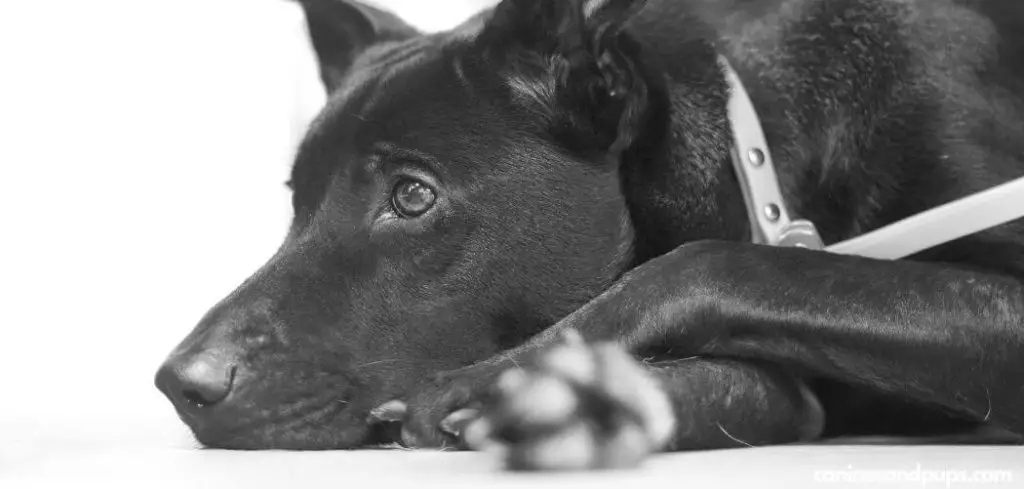
Old Dog Waking Up at Night: Common Causes
Canine Cognitive Dysfunction (Dog Dementia)
Canine cognitive dysfunction is one of the most common reasons senior dogs begin waking up and wandering at night. This condition is similar to Alzheimer’s disease in humans and affects memory, awareness, and sleep-wake cycles.
As the brain ages, chemical changes and cell loss interfere with normal neurological signaling.
This can cause dogs to become disoriented in familiar spaces, forget where they are, and lose track of time. At night, when visual cues are limited, confusion often becomes worse.
You may notice pacing, staring at walls, getting stuck in corners, vocalizing, or appearing “lost” inside the home.
These dogs may sleep more during the day and remain restless at night, reversing their natural schedule.
This condition is serious because it gradually progresses and affects quality of life. Without management, nighttime disturbances often worsen over time.
Related: Old dog circling and pacing (Here’s why)
Arthritis and Chronic Joint Pain
Joint degeneration is extremely common in aging dogs and frequently disrupts nighttime sleep. Arthritis causes inflammation within the joints, leading to stiffness, soreness, and reduced mobility.
During the night, when dogs remain in one position for long periods, joints can stiffen significantly. When they try to shift positions or stand up, sudden pain may wake them.
Dogs with arthritis may pace, reposition constantly, struggle to lie down, lick their joints, or hesitate before moving. Some may whine softly when trying to get comfortable.
Chronic pain is serious because it leads to long-term stress, poor sleep quality, and decreased mobility. Untreated arthritis can also contribute to muscle loss and worsening weakness.
Bladder Control Problems and Increased Urination
Many senior dogs wake up at night because they urgently need to urinate. Aging weakens bladder muscles and reduces the ability to hold urine for long periods.
Conditions such as kidney disease, diabetes, urinary tract infections, and hormonal imbalances can increase urine production. These dogs simply cannot make it through the night without needing to relieve themselves.
You may notice frequent trips outside, accidents indoors, wet bedding, increased thirst, or restlessness near doors. Some dogs wake their owners by pacing or whining.
This becomes serious because repeated nighttime urination often signals systemic illness that requires medical management.
Gastrointestinal Discomfort
Digestive issues commonly disturb sleep in older dogs. Gas buildup, acid reflux, constipation, and mild intestinal inflammation can all create discomfort that becomes noticeable at night.
When dogs lie down, stomach acid may move upward, causing heartburn-like sensations. Gas trapped in the intestines can create bloating and cramping that worsens when inactive.
Signs may include lip-licking, swallowing, restlessness, stretching, passing gas, or repeatedly changing positions. Some dogs may wake to vomit or have diarrhea.
Ongoing digestive distress is serious because it may reflect food intolerance, pancreatic disease, liver issues, or intestinal disorders.
Anxiety
As dogs age, many become more emotionally sensitive and less resilient to change. Reduced hearing, vision loss, and declining mental clarity can make nighttime especially stressful.
Without daytime stimulation or visual cues, older dogs may feel unsafe or isolated after dark. This can trigger separation anxiety, generalized anxiety, or fear-based behaviors.
You may notice trembling, panting, clinging behavior, whining, following them around, or refusing to settle alone. These dogs often relax when someone is nearby.
Chronic anxiety is serious because it affects immune function, sleep quality, and overall wellbeing.
Heart Disease and Breathing Difficulties
Cardiac disease is common in senior dogs and can significantly affect nighttime comfort. Heart problems may lead to fluid buildup in the lungs, reduced oxygen delivery, and increased breathing effort.
When lying flat, dogs with heart disease may feel short of breath, causing them to wake suddenly. They may seek upright positions or pace to improve airflow.
Signs include coughing at night, heavy breathing, panting while resting, intolerance to exercise, and weakness. Some dogs may refuse to lie down for long periods.
This is serious because heart disease can progress silently and become life-threatening if untreated.
Read more: Old Dog Wanders at Night (Signs of canine dementia)
Old Dog Waking Up at Night: What to Do
If your old dog is waking up at night, start by observing their behavior carefully. Note when they wake, what they do, and whether any patterns appear. This information can be extremely helpful for your veterinarian.
Create a comfortable sleep environment by providing orthopedic bedding, keeping the room warm, and minimizing noise or light disruptions. A soft night light may help dogs who become disoriented in the dark.
Maintain a consistent routine. Feeding, walks, bathroom breaks, and bedtime should occur at the same times each day. Predictability helps regulate sleep cycles and reduce anxiety.
Encourage gentle daytime activity such as short walks or light play to promote healthy fatigue. Avoid overstimulation close to bedtime, which may worsen restlessness.
Do not give pain medications, sleep aids, or supplements without veterinary guidance. Many human medications are dangerous for dogs and may worsen underlying conditions.
When to Contact Your Veterinarian
Contact your veterinarian immediately if nighttime waking is sudden, severe, or worsening.
Seek immediate care if your dog shows difficulty breathing, persistent coughing, collapse, confusion, or extreme weakness.
Schedule an exam if waking is accompanied by increased thirst, frequent urination, appetite loss, vomiting, diarrhea, or weight changes.
Veterinary evaluation is also important if you notice signs of dementia such as disorientation, getting lost, or personality changes.
Any combination of pain, anxiety, and sleep disruption in an older dog deserves professional assessment to rule out serious illness.
Read more: Old Dog Panting at Night (Hidden Health Triggers)
Key Takeaway
An old dog waking up at night is often a sign that physical discomfort, medical illness, or cognitive changes are interfering with normal rest.
While some sleep disruption is common with aging, persistent nighttime disturbances should never be ignored.
By providing comfort, maintaining routines, and working closely with your veterinarian, you can help your senior dog sleep more peacefully and enjoy a better quality of life in their golden years.