
When an older dog suddenly develops both vomiting and diarrhea, it can be frightening for any dog owner.
These symptoms often appear quickly and may signal anything from mild digestive upset to a serious underlying illness that needs urgent care.
Table of Contents
Old Dog Vomiting and Diarrhea: Why It Happens
Vomiting and diarrhea in an old dog usually happen when illness, organ dysfunction, infection, or digestive irritation disrupts how the body processes food and fluids.
Age-related changes in the liver, kidneys, and immune system make senior dogs more vulnerable to stomach inflammation, food intolerance, toxin exposure, infections, and chronic disease.
Pain, stress, medication side effects, and dehydration can also interfere with digestion and trigger repeated stomach upset.
Because older dogs recover more slowly than younger ones, these symptoms tend to worsen faster if not addressed.
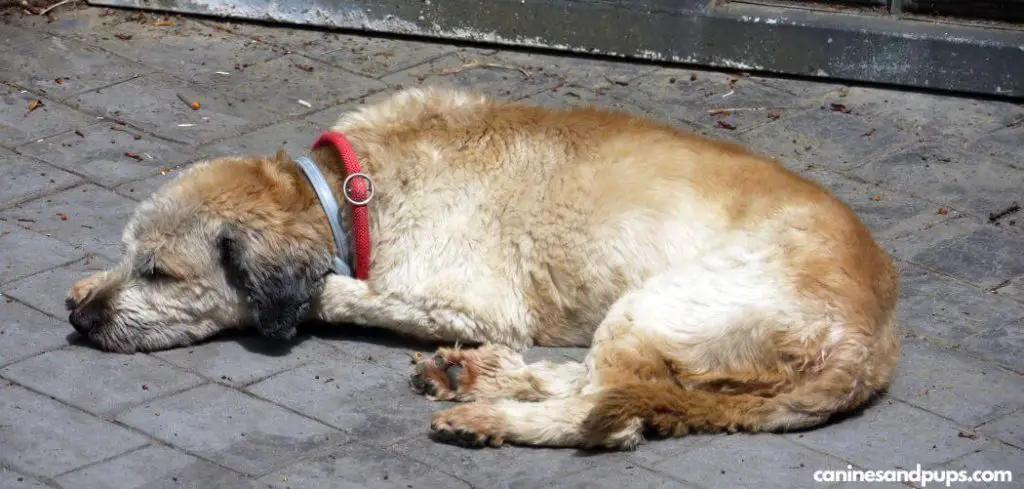
Old Dog Vomiting and Diarrhea: Common Causes
Chronic Kidney Disease
Kidney disease is one of the most common medical problems in senior dogs and a frequent cause of vomiting and diarrhea.
As the kidneys weaken with age, they lose their ability to filter waste products from the bloodstream effectively. These toxins begin to accumulate and irritate the stomach and intestinal lining.
This irritation often leads to nausea, vomiting, poor appetite, and loose stools. Many dogs with kidney disease also drink and urinate more, lose weight, and appear increasingly tired.
As dehydration worsens, digestive symptoms tend to intensify. Without treatment, kidney-related toxins continue to build up, making vomiting and diarrhea more persistent and dangerous.
Related: Dog suddenly not eating and vomiting (Here’s why)
Liver Disease and Toxin Buildup
The liver plays a vital role in detoxifying the body, processing nutrients, and regulating digestion. In older dogs, liver function may decline due to chronic inflammation, tumors, infections, or age-related degeneration.
When the liver cannot properly filter toxins, harmful substances circulate through the bloodstream and irritate the gastrointestinal tract.
This often results in recurring vomiting, diarrhea, nausea, and appetite loss. Owners may also notice yellowing of the gums or eyes, behavioral changes, and weakness.
Because the liver affects nearly every body system, digestive symptoms linked to liver disease tend to worsen gradually and may be accompanied by other serious health problems.
Gastrointestinal Infections
Senior dogs have weaker immune systems, making them more susceptible to bacterial, viral, and parasitic infections that affect the digestive tract. Even mild exposure to contaminated food, water, or environments can lead to significant illness.
These infections disrupt the normal balance of gut bacteria and inflame the stomach and intestines.
As a result, food and fluids cannot be absorbed properly, leading to vomiting, watery diarrhea, gas, and abdominal discomfort. Some dogs may also develop fever and lethargy.
If left untreated, infections can spread or cause dangerous dehydration, especially in elderly dogs.
Related: Dog suddenly vomiting and diarrhea (Why it happens)
Pancreatitis
Pancreatitis occurs when the pancreas becomes inflamed and begins releasing digestive enzymes too early, damaging surrounding tissues. Older dogs are at higher risk due to slower metabolism, obesity, dietary changes, and chronic health conditions.
This inflammation causes intense nausea, repeated vomiting, diarrhea, abdominal pain, and severe weakness. Dogs with pancreatitis often refuse food, hunch their backs, and seem unusually uncomfortable.
Because pancreatitis can quickly progress to organ failure in seniors, vomiting and diarrhea linked to this condition should never be ignored.
Medication Side Effects and Drug Sensitivity
Many senior dogs take medications for arthritis, heart disease, thyroid disorders, or pain management. While these drugs improve quality of life, they can also irritate the stomach and intestines over time.
Anti-inflammatory medications, antibiotics, steroids, and some supplements commonly cause nausea, vomiting, and diarrhea as side effects.
Older dogs process drugs more slowly, which increases the risk of digestive irritation and toxicity.
Symptoms may begin days or weeks after starting a new medication or changing a dosage. Without adjustment, continued use can worsen gastrointestinal damage.
Cancer
Cancer becomes more common as dogs age, and tumors affecting the digestive system often cause chronic vomiting and diarrhea. Growths in the stomach, intestines, pancreas, or surrounding organs interfere with normal digestion and nutrient absorption.
These tumors may cause partial blockages, internal bleeding, inflammation, and pain. As a result, dogs may vomit frequently, produce bloody or dark stools, lose weight, and appear weak.
Digestive cancers tend to progress quietly at first, making early symptoms easy to miss. Persistent vomiting and diarrhea in an older dog should always be investigated for possible malignancy.
Related: Dog suddenly vomiting and lethargic (Common causes)
Old Dog Vomiting and Diarrhea: What to Do
If your old dog is vomiting and having diarrhea, your first priority should be preventing dehydration.
Offer small amounts of fresh water frequently, rather than allowing large gulps that may trigger more vomiting. If your dog refuses water, try offering ice cubes or low-sodium broth approved by your veterinarian.
Allow your dog’s stomach to rest for several hours after vomiting stops. During this time, avoid feeding solid food unless your vet advises otherwise. Once symptoms ease, you may gradually introduce bland, easily digestible foods such as plain boiled chicken and rice.
Keep your dog in a calm, quiet environment where they can rest comfortably. Stress and activity can worsen nausea and intestinal irritation. Monitor bathroom habits, appetite, energy level, and vomiting frequency closely.
Do not give human medications or over-the-counter remedies without veterinary guidance. Many common drugs are toxic to dogs and can worsen gastrointestinal damage, especially in seniors.
When To Call Your Veterinarian
Contact your veterinarian immediately if vomiting and diarrhea last longer than 24 hours in an older dog. Seniors dehydrate faster and tolerate illness poorly compared to younger dogs.
Seek urgent care if your dog shows signs of weakness, collapse, pale gums, severe lethargy, or difficulty standing. These may indicate shock, internal bleeding, or organ failure.
Bloody diarrhea, black tar-like stools, repeated projectile vomiting, or abdominal pain require prompt medical attention. These symptoms often signal pancreatitis, severe infection, or intestinal obstruction.
If your dog has underlying conditions such as kidney disease, diabetes, heart disease, or cancer, even mild digestive upset should be evaluated quickly. These conditions complicate recovery and increase risks.
Persistent appetite loss, rapid weight loss, or behavioral changes combined with vomiting and diarrhea also warrant professional assessment.
Read more: Dog Vomiting White Foamy Mucus (What it means)
Old Dog Vomiting and Diarrhea: Treatment
Veterinary treatment for an older dog with vomiting and diarrhea focuses on stabilization, diagnosis, and targeted therapy, as seniors are more vulnerable to dehydration and organ stress.
A veterinarian will typically perform a physical exam along with bloodwork, urinalysis, and fecal testing, and may use X-rays or ultrasound to check for pancreatitis, infections, organ disease, intestinal blockage, or cancer.
Treatment often includes IV fluids to correct dehydration and electrolyte imbalances, anti-nausea and anti-diarrheal medications, and pain relief if needed.
Depending on the cause, additional treatments may include antibiotics, stomach protectants, dietary therapy, or hospitalization for close monitoring.
Key Takeaway
Vomiting and diarrhea in an old dog are never symptoms to dismiss, even when they seem mild at first. Aging bodies are more vulnerable to dehydration, organ strain, infection, and chronic disease, which makes digestive problems more serious in senior pets.
While temporary stomach upset can happen, persistent or severe symptoms usually point to an underlying medical issue that needs treatment. Supporting hydration, providing gentle care, and seeking timely veterinary guidance can make a critical difference in recovery.
If your older dog develops vomiting and diarrhea, trust your instincts and act early. Immediate attention not only relieves discomfort but also protects your dog’s health, comfort, and quality of life in their senior years.