
When your old dog is unsettled at night, it can disrupt both their rest and yours. Nighttime restlessness in senior dogs is common, but when it becomes frequent or intense, it often signals underlying changes in their brain, body, or environment.
Table of Contents
Old Dog Unsettled At Night: Why It Happens
An old dog unsettled at night is most often caused by cognitive decline, anxiety, pain, sensory loss, or underlying medical conditions that interfere with sleep and comfort.
When dogs get older, their sleep patterns can shift, and their ability to settle may decrease. Some dogs become more active at night due to confusion or a reversed sleep cycle, while others struggle to get comfortable due to pain or internal discomfort. In many cases, multiple factors overlap, making nighttime restlessness more noticeable.
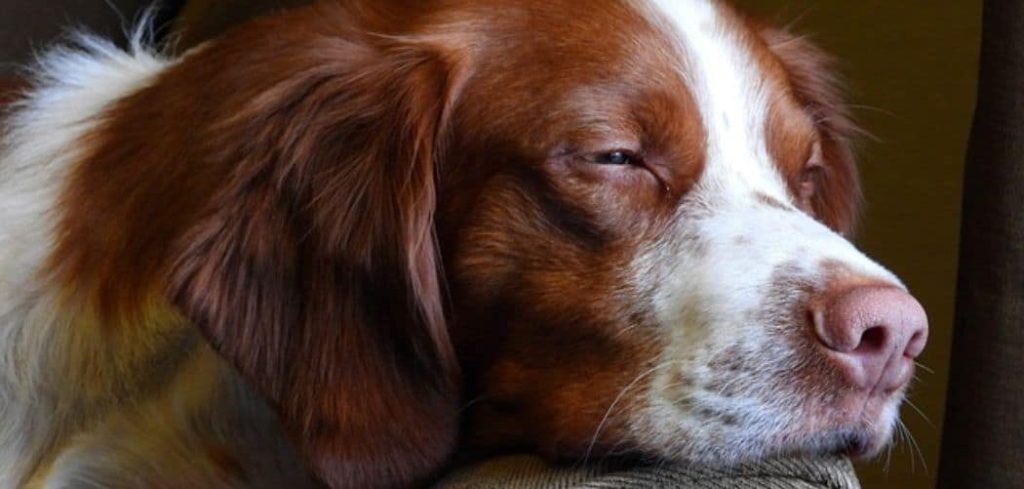
Old Dog Unsettled At Night: Symptoms
If your old dog is unsettled at night, you may notice the following behaviors:
Pacing or wandering during the night
Frequent waking or inability to stay asleep
Whining, barking, or vocalizing
Restlessness or constant repositioning
Confusion or appearing “lost”
Increased need for attention
Getting stuck in corners or behind furniture
Panting without clear reason
Changes in sleep-wake cycle
Difficulty settling even when tired
Old Dog Unsettled At Night: Common Causes
Canine Cognitive Dysfunction
Cognitive dysfunction is one of the leading causes of nighttime restlessness in older dogs.
As the brain ages, dogs can experience confusion, memory loss, and changes in awareness. One of the most noticeable effects is a disruption in the sleep-wake cycle, where dogs sleep more during the day and become active at night.
This often leads to pacing, wandering, or vocalizing after dark. Dogs may appear disoriented, forget where they are, or seek reassurance from their owners.
Read more: Old Dog Syndrome (Signs, causes and treatment)
Pain or Joint Discomfort
Pain can make it difficult for a dog to relax and fall asleep.
Conditions like arthritis or general stiffness are common in senior dogs and may worsen at night when the environment is quieter and movement is limited.
Dogs may shift positions frequently, get up and lie down repeatedly, or avoid lying down altogether due to discomfort.
Anxiety
Older dogs can become more anxious, especially at night when surroundings are quieter and more unfamiliar.
Reduced vision or hearing can make darkness more disorienting, increasing feelings of vulnerability. This can lead to pacing, whining, or seeking constant reassurance.
Changes in routine, separation from owners, or unfamiliar environments can also trigger nighttime anxiety.
Increased Need to Urinate
Senior dogs often need to urinate more frequently due to age-related changes or underlying conditions.
If your dog is waking up frequently and unable to settle, they may need to go outside. Holding urine can cause discomfort and restlessness, especially overnight.
Conditions like kidney disease or hormonal imbalances can further increase nighttime urination.
Vision or Hearing Loss
Sensory decline can contribute significantly to nighttime restlessness.
Dogs that cannot see well in low light or hear clearly may become confused or unsure of their surroundings. This can lead to wandering, hesitation, or anxiety during the night.
The unfamiliarity of darkness can make even familiar spaces feel disorienting.
Gastrointestinal Discomfort
Digestive issues or internal discomfort can make it hard for a dog to settle at night.
Dogs experiencing nausea, bloating, or mild pain may pace or shift positions frequently in an attempt to get comfortable.
This type of restlessness is often subtle but persistent and may be accompanied by changes in appetite or behavior.
Hormonal or Medical Conditions
Certain medical conditions can disrupt sleep patterns and increase restlessness.
Conditions such as Cushing’s disease or other hormonal imbalances can lead to increased activity, panting, and inability to settle.
These dogs may appear restless both during the day and at night, with symptoms gradually worsening over time.
Read more: Old Dog Circling and Pacing (What it could mean)
Old Dog Unsettled At Night: What to Do
If your old dog is unsettled at night, start by creating a calm and comfortable sleeping environment.
Provide a supportive bed in a quiet, familiar location where your dog feels safe and secure.
Maintain a consistent daily routine, including feeding times, walks, and bedtime, to help regulate your dog’s internal clock.
Predictability can significantly reduce confusion and anxiety.
Ensure your dog has a chance to go outside before bedtime to relieve themselves, which can help prevent nighttime restlessness.
Limiting water intake right before bed (without restricting overall hydration) may also help in some cases.
If your dog seems anxious, gentle reassurance and a calming presence can help them settle more easily.
Soft lighting at night may also reduce confusion for dogs with vision loss.
Monitor for signs of pain or discomfort, and make adjustments to bedding or positioning to improve comfort.
When to Call or Visit Your Vet
If your old dog’s nighttime restlessness starts suddenly or worsens, a veterinary visit is required. Sudden changes often indicate an underlying issue.
If your dog shows signs of pain, such as difficulty lying down or stiffness, consult your vet.
You should also seek advice if restlessness is accompanied by confusion, disorientation, or behavioral changes.
Frequent nighttime urination, panting, or other unusual symptoms should be evaluated.
Old Dog Unsettled At Night: Treatment
Treatment for an old dog unsettled at night depends on identifying the underlying cause.
If cognitive dysfunction is diagnosed, your vet may recommend medications, supplements, and environmental adjustments to improve sleep patterns.
Pain-related issues are typically managed with appropriate medications and supportive care.
For anxiety, behavioral strategies or calming treatments may be used to help your dog relax.
If medical conditions such as kidney disease or hormonal imbalances are present, targeted treatment will be necessary.
Key Takeaway
An old dog unsettled at night is often a sign of age-related changes or underlying health issues affecting sleep and comfort.
While some causes are manageable, others require medical attention.
By observing your dog’s behavior and addressing potential triggers, you can help improve their rest and overall quality of life.


