
When an old dog’s tongue suddenly hangs out more than usual, sticking out while resting, during sleep, or even constantly, it can look cute, but it often signals physical changes that come with aging.
We outline the common reasons why an old dog may have its tongue hanging out, what you can do, and when to seek veterinary help.
Table of Contents
Old Dog Tongue Hanging Out: Why It Happens
An old dog’s tongue hanging out is usually caused by dental loss, jaw weakness, neurological changes, breed-related anatomy, chronic mouth dryness, cognitive decline, or medical conditions that affect muscle tone or control. Some causes are harmless, while others reflect discomfort or illness.
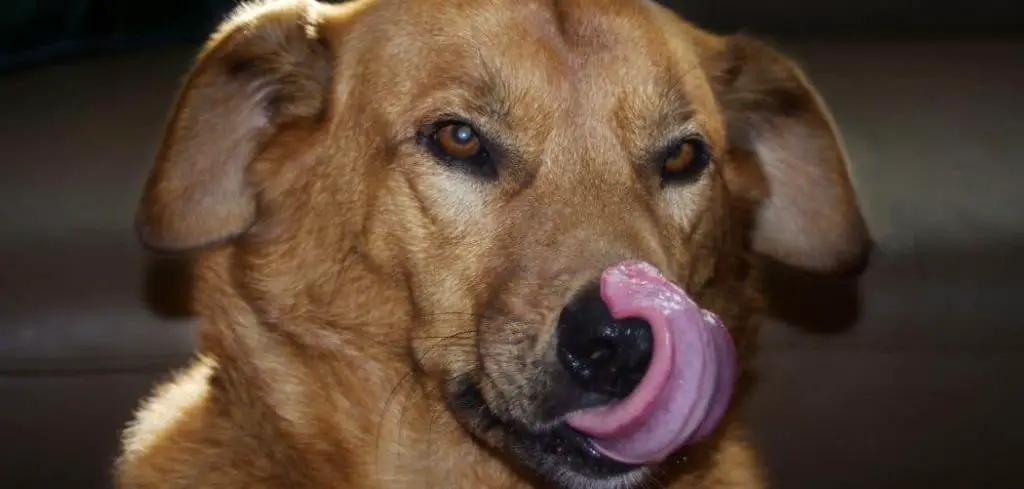
Old Dog Tongue Hanging Out Suddenly
When an older dog’s tongue suddenly hangs out, it may indicate neurological problems, dental issues, oral pain, or stroke-like episodes.
In some cases, it can be caused by muscle weakness or loss of nerve function in the face and jaw, which may accompany aging or illness.
If the dog also shows confusion, imbalance, or difficulty eating, this can suggest a more serious underlying condition.
Dog Tongue Sticking Out With Mouth Closed
A dog whose tongue sticks out while the mouth is closed may be experiencing congenital abnormalities, dental problems, nerve damage, or oral tumors.
In older dogs, it can also occur due to loss of muscle tone in the jaw and tongue, making it difficult to keep the tongue inside.
While it may sometimes be harmless, especially if the dog otherwise eats, drinks, and behaves normally, persistent tongue protrusion should be examined by a veterinarian to rule out neurological or oral health problems and ensure comfort.
Old Dog Tongue Hanging Out: Common Causes
Missing Teeth or Weakened Jaw Muscles
One of the most common reasons an older dog’s tongue hangs out is the loss of teeth, especially the incisors and canines that normally help keep the tongue positioned inside the mouth.
When these teeth fall out due to age, decay, or gum disease, the tongue can slip out naturally, especially when the dog is relaxed.
Older dogs may also develop weakened jaw muscles, making it harder to hold the tongue in place. This loss of structural support often leads to a permanently “lolling” tongue that owners notice suddenly after dental changes.
Dogs with missing teeth may have no discomfort at all, but the tongue hanging out becomes a new normal simply because it no longer has the same support it once did.
Read more: Old Dog Tilting Head to One Side (What it means)
Dental Disease
Dental disease is extremely common in senior dogs and can make it uncomfortable for them to hold the tongue in its normal position.
Infected teeth, abscesses, gum inflammation, or oral tumors can cause dogs to reposition their tongue to reduce pressure in painful areas.
A dog experiencing oral pain may let their tongue hang out because it keeps the mouth more open and reduces discomfort.
Sometimes the tongue hangs out only on one side if the pain is localized. Chronic dental inflammation can also affect tongue mobility, making it harder for the dog to tuck their tongue fully inside the mouth.
Because oral pain intensifies gradually, tongue changes may be one of the first obvious signs that something is wrong inside the dog’s mouth.
Neurological Problems
Neurological decline, including conditions that affect the facial nerves, brainstem, or tongue muscles, can cause the tongue to hang out involuntarily.
Senior dogs experiencing mild nerve dysfunction may struggle to retract the tongue effectively, especially during rest.
Dogs with more advanced neurological issues may exhibit drooping facial muscles, difficulty eating, trouble drinking, or changes in expression.
In some cases, nerve damage from injury, stroke-like events, or degenerative disease affects one side of the face more than the other, causing the tongue to fall out on one side.
When neurological changes are involved, the tongue may become dry or irritated because the dog cannot pull it back into the mouth fully.
Related: Old Neurological Problems (Signs to watch out for)
Breed Anatomy and Senior Muscle Relaxation
Some breeds naturally have longer tongues or shallower jaw structures, making the tongue more likely to slip out as they age.
Breeds such as Chihuahuas, Pomeranians, Shih Tzus, Boxers, and Bulldogs frequently develop “hanging tongue syndrome,” especially as their jaw muscles weaken with age.
Dogs with short muzzles or underbites may also struggle with tongue control when muscle tone decreases.
As senior dogs relax their facial muscles during sleep or rest, the tongue often falls outward inadvertently.
While this can be normal for certain breeds, aging can exaggerate the tendency, making the tongue hang out more often than before.
Cognitive Dysfunction
Cognitive dysfunction can affect how a dog perceives their tongue’s position. Dogs with dementia may seem unaware that their tongue is hanging out or may forget to retract it after drinking or resting.
They may wander, pace, or sleep with their tongue protruding more frequently than they used to.
This occurs because cognitive decline alters sensory awareness and muscle coordination, causing the dog to lose subtle control of facial movements.
Dogs with cognitive dysfunction often show additional signs such as nighttime restlessness, confusion, staring at walls, or changes in appetite.
When combined with structural aging in the mouth, cognitive issues can significantly increase tongue-hanging behavior.
Related: Old Dog Syndrome (Signs, symptoms and treatment)
Chronic Dry Mouth
Salivary gland problems, medication side effects, dehydration, and certain illnesses can cause chronic dry mouth in senior dogs.
When the mouth becomes dry, the tongue may naturally stick out because it feels uncomfortable or sticks to the teeth or gums.
Dry mouth can also make swallowing harder, encouraging the dog to let the tongue fall outward to help regulate airflow or moisture. Dogs with chronic dry mouth may have bad breath, thick saliva, or cracked tongue edges.
A constantly hanging tongue can worsen dryness further, creating a cycle of discomfort that requires medical attention.
Pain
When older dogs are unwell — due to nausea, abdominal discomfort, fever, or general pain — they may relax their facial muscles, causing the tongue to slip out unintentionally.
Dogs in discomfort often pant or breathe differently, which can push the tongue outward.
Some dogs hang their tongue out when feeling stressed or weak because they lack the strength or tension to maintain normal facial posture.
Illness-related tongue hanging may come and go depending on the dog’s comfort level, making it important to observe other symptoms such as lethargy, shaking, or appetite changes.
Stroke
A sudden onset of a hanging tongue can indicate facial nerve paralysis or a stroke-like event.
In these situations, one side of the face may droop, causing the tongue to fall outward because the dog cannot keep it centered.
Dogs may also tilt their head, stagger, show one-sided weakness, or have difficulty blinking one eye.
Facial nerve paralysis can occur from infection, inflammation, trauma, or neurological disease. In senior dogs, symptoms may appear abruptly and require prompt veterinary evaluation.
Read more: Old Dog Picky Eater (Causes of changing appetite)
Old Dog Tongue Hanging Out Sideways
When an elderly dog’s tongue hangs out sideways, it often indicates nerve or muscle asymmetry in the jaw or face. This can be caused by stroke-like episodes, facial nerve damage, or oral injuries.
Sideways tongue hanging can make it harder for the dog to eat, drink, or keep the tongue moist, which may require veterinary intervention and supportive care such as lubricating the tongue, monitoring for sores, and addressing any underlying neurological or oral issues.
Dog With Tongue Hanging Out Permanently
A dog whose tongue hangs out permanently may be experiencing muscle weakness, nerve damage, or dental and oral issues.
In older dogs, permanent tongue protrusion can result from loss of jaw tone or neurological decline, making it difficult to keep the tongue inside the mouth.
While some dogs adapt and remain comfortable, this condition can increase the risk of drying, cracking, or infections of the tongue, so regular moisturizing and veterinary checks are required to prevent complications.
Dog Tongue Out Breathing Heavy
A dog with its tongue out while breathing heavily may be attempting to cool down or compensate for difficulty breathing. In older dogs, this can indicate respiratory distress, heart disease, or fever.
If the heavy breathing is accompanied by lethargy, coughing, or pale gums, it is a medical emergency, requiring immediate veterinary attention.
Treatment may involve oxygen therapy, medications for heart or lung conditions, and supportive care to stabilize breathing and address the underlying cause.
What Are the End of Life Symptoms in Elderly Dogs? Is a Hanging Tongue Hanging Out a Sign?
A hanging tongue in elderly dogs can sometimes appear as part of the natural aging process, but it can also be a sign of serious illness or decline in health.
End-of-life symptoms in dogs typically include extreme lethargy, loss of appetite, incontinence, difficulty walking, labored breathing, disorientation, and reduced responsiveness.
While a tongue hanging out alone is not always an immediate indicator of dying, it can signal muscle weakness, neurological issues, or severe dehydration, which are more common in dogs nearing the end of life.
Monitoring overall behavior and health is crucial, and any sudden changes should prompt veterinary evaluation.
What to Do If Your Old Dog’s Tongue Is Hanging Out
Start by observing when the tongue hangs out most, during rest, while awake, only after meals, or constantly.
Check your dog’s mouth gently for broken teeth, swelling, or foul odor, but avoid probing if your dog seems uncomfortable. Keep the tongue moist by offering water frequently, especially if it dries out or cracks.
Provide soft food if chewing appears difficult and raise the food bowl if neck pain might worsen tongue control.
Keep your dog’s face clean, as exposed tongues collect dirt and debris easily. Watch for additional symptoms such as stumbling, facial drooping, or reduced appetite, which may indicate a deeper issue.
Because a hanging tongue in a senior dog can reflect dental, neurological, or systemic illness, schedule a veterinary exam unless the cause is already known and clearly harmless.
When to Call or Visit Your Vet
Seek veterinary care if your old dog’s tongue is hanging out and you notice:
• Sudden onset of the tongue hanging out.
• Difficulty eating, chewing, or swallowing.
• Drooping face or one-sided weakness.
• Bad breath, drooling, or foul-smelling mouth.
• Cracked, dry, or bleeding tongue.
• Trouble drinking or keeping food in the mouth.
• Signs of nausea, pain, or lethargy.
• Rapid breathing, panting, or facial swelling.
• Behavioral changes or confusion.
• The tongue hanging out constantly for the first time.
Any sudden or persistent change in tongue position in a senior dog is worth evaluating.
Read more: Old dog behavior change (Age-related behavior shifts)
Old Dog Tongue Hanging Out: Treatment
When an older dog’s tongue hangs out, veterinary treatment focuses on identifying and addressing the underlying cause.
The veterinarian will typically perform a full physical examination, assess neurological function, check for dental or oral issues, and may run blood tests or imaging to detect systemic problems.
If the cause is muscle weakness or nerve damage, treatment may include supportive care, such as keeping the tongue moist with saline sprays or gels, ensuring the dog can eat and drink comfortably, and preventing injuries or infections.
For oral or dental problems, interventions may involve dental cleaning, removal of damaged teeth, or treatment of oral masses.
In cases where the tongue hanging is due to neurological disorders or stroke-related issues, veterinarians may prescribe medications to improve nerve function, manage pain, or reduce inflammation.
In all scenarios, the focus is on maintaining comfort, preventing secondary complications, and improving quality of life, as permanent tongue protrusion is often irreversible in older dogs but manageable with proper care.
Key Takeaway
An old dog’s tongue hanging out can be harmless — often related to missing teeth or relaxed muscles — but it can also signal dental disease, neurological problems, cognitive decline, or pain.
Paying attention to how and when it happens helps you determine the cause.
With proper care, monitoring, and timely veterinary support, most senior dogs stay comfortable and safe even when their tongue sticks out more often.


