
Old dog syndrome is a condition seen in many senior dogs as they age and begin to show noticeable changes in behavior, awareness, and daily habits. You may observe your older dog acting differently than usual that is “not like themselves,” such as seeming confused, restless, withdrawn or less responsive.
Recognizing these changes early can help ensure your dog receives the support and care needed to stay comfortable in their later years.
What Is Old Dog Syndrome?
Old Dog Syndrome is a common term used to describe cognitive decline in senior dogs, similar to dementia or Alzheimer’s disease in humans. The medical name for this condition is Canine Cognitive Dysfunction (CCD).
It occurs when aging changes in the brain affect a dog’s memory, awareness, learning ability, and behavior. As dogs grow older, the brain can develop structural and chemical changes that interfere with normal thinking and behavior.
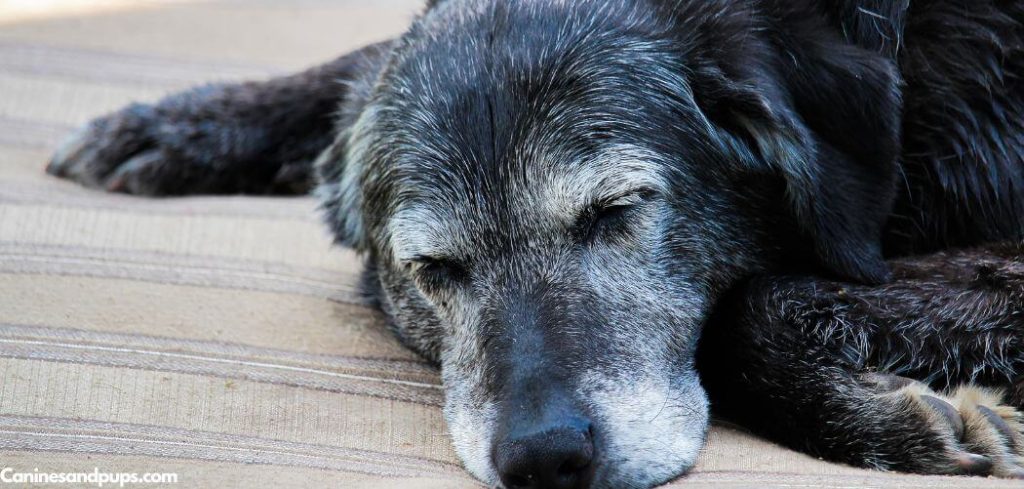
Why Old Dog Syndrome Develops
Old dog syndrome develops as a result of age-related changes in a dog’s brain. As dogs grow older, the brain gradually undergoes structural and chemical changes that affect memory, awareness, and normal cognitive function. These changes can interfere with how brain cells communicate, leading to the behavioral and mental changes seen in senior dogs.
One major factor is the natural aging of brain cells. Over time, neurons may become damaged or less efficient at sending signals. When communication between brain cells slows down or becomes disrupted, a dog may begin to experience confusion, difficulty recognizing familiar environments, or changes in learned behaviors.
Another contributing factor is the accumulation of abnormal proteins in the brain. In aging dogs, certain proteins can build up around nerve cells, which interferes with normal brain activity. These deposits can affect areas of the brain responsible for learning, memory, and awareness.
Aging also increases oxidative stress, which occurs when harmful molecules damage brain cells over time. This process can gradually affect cognitive function and contribute to mental decline in senior dogs.
Reduced blood flow to the brain may also play a role. As dogs age, circulation may become less efficient, which can limit the oxygen and nutrients reaching brain tissue. This can further contribute to the gradual deterioration of cognitive abilities.
Because these changes happen slowly, the signs of old dog syndrome typically appear gradually over months or years rather than suddenly. The progression varies between individual dogs, but the underlying cause is generally linked to the natural aging process affecting brain health.
Old Dog Syndrome Symptoms
Old dog syndrome often causes noticeable changes in a senior dog’s behavior, awareness, and daily habits. The symptoms usually develop gradually over time and may become more noticeable as the condition progresses. The symptoms include:
Disorientation and Confusion:
One of the most common symptoms is confusion in familiar environments. A dog may appear lost in parts of the home they have known for years. Some dogs may stare at walls, stand in corners, or seem unsure how to navigate around furniture or through doorways.
You may also notice your dog appearing confused about routines that were previously familiar, such as where the food bowl is or how to ask to go outside.
Changes in Sleep Patterns:
Dogs with old dog syndrome often develop changes in their sleep–wake cycle. They may sleep much more during the day but become restless at night.
Some senior dogs may pace, wander around the house, or vocalize during nighttime hours. This reversal of normal sleep patterns is a common sign of cognitive decline.
Altered Interaction With People or Pets:
Another common symptom is a change in social behavior. Dogs may become less interested in interacting with family members or other pets. Some may seem withdrawn or less responsive when called.
In other cases, dogs may become unusually clingy or anxious and seek more attention than they previously did.
House-Training Accidents:
A dog that has been reliably house-trained for years may begin having accidents inside the home. This can happen because the dog forgets learned routines or becomes confused about where they should eliminate.
These accidents are often related to cognitive changes rather than a training problem.
Repetitive Behaviors:
Some dogs develop repetitive or unusual behaviors, such as pacing back and forth, circling, or wandering aimlessly. These behaviors may occur for extended periods and can sometimes happen more frequently at night.
Changes in Activity Levels:
Old dog syndrome may also cause changes in energy and activity levels. Some dogs may appear more restless and unable to settle down, while others may become less active or show reduced interest in activities they once enjoyed.
Increased Anxiety or Restlessness:
Senior dogs with cognitive dysfunction may become more anxious or easily startled. They may react differently to normal household noises or appear unsettled in familiar environments.
Some dogs may also show signs of nervousness when left alone or when routines change.
Is Old Dog Syndrome the same as Old dog Vestibular Disease?
No, old dog syndrome and old dog vestibular syndrome are not the same condition. They affect different parts of a dog’s body and cause very different symptoms. The confusion happens because the phrase “old dog syndrome” is used informally in two different ways.
In veterinary medicine, the terms actually refer to two separate conditions, but people sometimes use the same nickname for both.
Old dog syndrome (Canine Cognitive Dysfunction) affects the brain and mental function. It is similar to dementia in humans and develops gradually as a dog ages.
Old dog vestibular syndrome affects the vestibular system, which controls balance and coordination. It usually appears suddenly, often within hours. Although the symptoms can look alarming, many dogs improve significantly within a few days to weeks with supportive care.
Read more: Old dog vestibular syndrome (Signs, Causes and Treatment)
Old Dog Syndrome vs Stroke
Old dog syndrome is a gradual brain-aging condition that affects memory, awareness, and behavior in senior dogs. The changes usually develop slowly over months or years.
Dogs may become confused, wander around the house, forget familiar routines, or show changes in sleep patterns and interaction with their owners. Because the condition progresses gradually, symptoms often appear subtly at first and become more noticeable over time.
A stroke, on the other hand, is a sudden neurological event caused by a disruption of blood flow to part of the brain. Signs typically appear abruptly and may include loss of balance, difficulty walking, head tilt, weakness on one side of the body, abnormal eye movements, or sudden collapse.
Unlike cognitive dysfunction, which develops slowly, stroke symptoms usually appear quickly and may seem severe within minutes or hours.
Another important difference is how the symptoms progress. Old dog syndrome usually causes progressive behavioral and mental changes, while stroke symptoms tend to occur suddenly and may either improve over time or stabilize after the initial event.
Some dogs recover partially from a stroke with supportive care, whereas cognitive dysfunction tends to gradually worsen as the brain continues to age.
Because the symptoms can sometimes appear similar, especially when a dog seems confused or unsteady, veterinary evaluation is important whenever sudden neurological signs occur.
A veterinarian can help determine whether the changes are related to cognitive aging or a neurological event such as a stroke and recommend the most appropriate care.
Related: Old dog behavior before death (Common signs)
How Old Dog Syndrome Is Diagnosed
There is no single test for old dog syndrome and because of this, the veterinarians usually diagnose it by identifying typical cognitive changes while ruling out other medical problems that could cause similar symptoms. Diagnosis is usually based on:
Behavioral history.
Physical and neurological exams.
Blood and urine testing.
Sometimes imaging such as X-rays or MRI.
The goal is to rule out treatable medical conditions before attributing changes solely to aging or cognitive decline.
When to Call or Visit the Veterinarian
Seek veterinary care if your dog:
Shows sudden or rapid behavior changes.
Gets lost in familiar places.
Has seizures or collapses.
Stops eating or drinking.
Becomes aggressive unexpectedly.
Cries, paces, or panics at night.
Sudden changes are not normal aging and should always be evaluated.
Old Dog Syndrome: Treatment
While there is no cure for Canine Cognitive Dysfunction (Old dog syndrome), veterinarians usually recommend treatments that help slow cognitive decline, improve behavior, and maintain a good quality of life. This includes:
Medications for Cognitive Support:
Veterinarians may prescribe medications designed to improve brain function and communication between nerve cells. These medications can help some dogs become more alert, reduce confusion, and improve daily interactions.
Therapeutic Diets:
Special veterinary diets formulated for brain health in senior dogs may be recommended. These diets often contain antioxidants, essential fatty acids, and nutrients that help protect brain cells and support cognitive function.
Cognitive Supplements:
Veterinarians may suggest supplements that support brain health in aging dogs. These products often contain nutrients that help protect nerve cells and support memory and learning ability.
Treatment for Associated Symptoms:
Dogs with cognitive dysfunction may develop issues such as anxiety, sleep disturbances, or restlessness. A veterinarian may recommend medications or supportive therapies to help manage these symptoms and improve comfort.
Regular Veterinary Monitoring:
Ongoing veterinary checkups are important for dogs with cognitive dysfunction. Regular evaluations allow the veterinarian to monitor the dog’s condition, adjust treatments if needed, and rule out other medical issues that could worsen symptoms.
Old Dog Syndrome Treatment at Home
Home care works best when combined with regular veterinary guidance. A veterinarian can recommend medications, diets, or supplements that support brain health and may improve symptoms.
Maintain a Consistent Daily Routine:
Dogs with cognitive decline often become confused when their schedule changes. Keeping a predictable routine can help reduce anxiety and disorientation.
Try to keep feeding times, walks, playtime, and bedtime consistent every day. When a dog knows what to expect, it can help them feel more secure and less stressed.
Consistency also helps senior dogs maintain better sleep patterns and can reduce behaviors like nighttime wandering or restlessness.
Provide Gentle Mental Stimulation:
Mental stimulation is important for maintaining brain function in aging dogs. Activities that encourage thinking and engagement may help slow cognitive decline.
Simple ways to stimulate your dog’s mind include short training sessions, scent games, and puzzle toys designed for dogs. Even practicing familiar commands can help keep the brain active.
However, activities should always be calm and low-pressure. The goal is gentle engagement rather than intense training.
Encourage Regular Physical Activity:
Moderate daily exercise supports both physical and cognitive health. Short walks, light play, and gentle movement help improve circulation and keep the brain stimulated.
Exercise can also help reduce anxiety and restlessness that sometimes occur with cognitive decline.
Because older dogs tire more easily, exercise should be adjusted to their comfort level. Several short walks throughout the day are often better than one long outing.
Make the Home Easy to Navigate:
Dogs with cognitive dysfunction may become confused or disoriented in spaces they once knew well. Making the home environment easier to navigate can help reduce stress.
Keep furniture in consistent locations and avoid rearranging rooms. Clear walking paths so your dog can move around safely. Providing soft bedding in familiar areas can also help your dog feel secure.
In some homes, placing nightlights in hallways or sleeping areas can help senior dogs that become disoriented in the dark.
Support Healthy Sleep Patterns:
Sleep disturbances are common with old dog syndrome. Dogs may sleep during the day and become restless at night.
Encouraging daytime activity, gentle exercise, and regular feeding schedules may help regulate the sleep–wake cycle. Providing a quiet, comfortable sleeping area can also improve nighttime rest.
If nighttime wandering becomes frequent, keeping a soft light on can help dogs orient themselves more easily.
Offer Brain-Supportive Nutrition:
Diet plays an important role in supporting aging brain health. Many senior dog diets include nutrients designed to support cognitive function.
Foods rich in antioxidants, omega fatty acids, and essential vitamins help protect brain cells from age-related damage. Maintaining proper nutrition can also support overall energy levels and well-being.
Some owners also add veterinarian-recommended cognitive supplements designed for senior dogs.
Provide Emotional Reassurance:
Dogs with cognitive dysfunction may become more anxious or clingy because they feel confused. Calm reassurance from their owners can help them feel safer.
Speaking in a gentle voice, offering affection, and maintaining familiar routines can help reduce stress and build confidence in a dog that may feel uncertain about their surroundings.
Monitor Changes Carefully:
Although home care can improve comfort, it is important to monitor changes in behavior, appetite, mobility, or sleep patterns. Cognitive decline often progresses slowly, and adjustments to care may be needed over time.
Keeping a journal of symptoms or behavioral changes can help track progression and provide helpful information during veterinary visits.
You should consult a veterinarian if your dog shows severe confusion, persistent anxiety, significant behavior changes, or difficulty performing normal daily activities.
Related: Old dog having seizures (Signs, causes and treatment)
Can Dogs Live Well With Old Dog Syndrome?
Yes. Many dogs with old dog syndrome continue to enjoy life for months or even years especially when the condition is recognized early and properly managed.
Although it is a progressive brain-aging condition, quality of life depends on comfort, safety, emotional well-being, veterinary treatment and symptom control which can significantly improve a dog’s comfort and daily functioning.
Old Dog Syndrome Life Expectancy
Dogs diagnosed with Old Dog Syndrome, medically known as Canine Cognitive Dysfunction (CCD), can often live for months to several years after symptoms begin. The condition itself is not usually directly life-threatening, but it is a progressive brain-aging disorder that gradually affects behavior, memory, and daily functioning.
Many dogs are diagnosed with cognitive dysfunction when they are already in their senior or geriatric years, typically around 10–15 years of age depending on the breed. Because of this, life expectancy varies widely and depends largely on the dog’s overall health, breed, and age at diagnosis.
Some dogs live one to three years or longer after symptoms begin, particularly when the condition is identified early and properly managed with supportive care.
Preventing or Slowing Progression
Old dog syndrome cannot always be completely prevented however, certain lifestyle and care strategies may help slow the progression of cognitive decline and support brain health in senior dogs:
- Keep the brain mentally active.
- Encourage regular physical exercise.
- Maintain a predictable routine.
- Provide a balanced senior diet.
- Schedule regular veterinary checkups.
- Reduce stress and environmental changes:
- Provide social interaction
- Monitor early signs of cognitive changes. Addressing these changes early with veterinary guidance can help slow progression and improve long-term quality of life.
Key Takeaway
Old dog syndrome is a signal that your dog’s body and brain are changing with age. While these changes can be challenging, they don’t mean your dog’s life is over or unhappy.
With awareness, veterinary guidance, and compassionate care, senior dogs with old dog syndrome can remain comfortable, connected, and deeply loved through their golden years.