
When an old dog suddenly seems uncomfortable in sunlight—squinting, avoiding bright areas, or becoming restless outdoors—it’s more than just a preference.
Increased sensitivity to sunlight in senior dogs often reflects changes in the eyes, skin, or overall health.
Table of Contents
Old Dog Sun Sensitivity: Why It Happens
Sun sensitivity in an old dog is usually caused by age-related eye changes, skin sensitivity, or underlying medical conditions that make light or heat uncomfortable.
In some cases, sun sensitivity can also signal pain, inflammation, or disease affecting the eyes or skin.
What seems like simple avoidance of sunlight may actually be your dog trying to reduce discomfort.
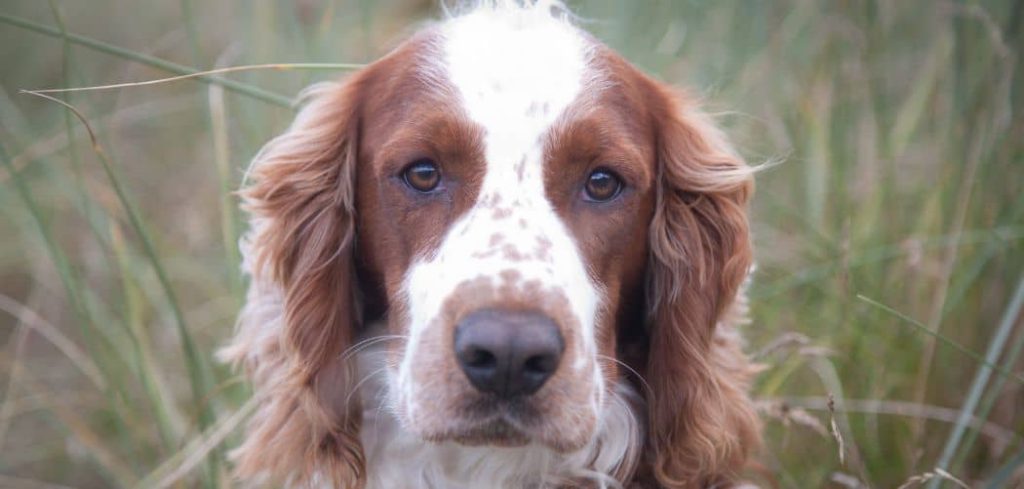
Why Are Senior Dogs More Sensitive To The Sun?
Aging affects both skin integrity and overall resilience. As dogs age, their eyes may become more sensitive to brightness, and their skin may lose protective resilience. Older dogs often have thinner skin and reduced melanin protection.
Immune function may decline, making them more susceptible to inflammation and sunburn.
In addition, chronic diseases and medications common in senior dogs can increase photosensitivity.
Understanding the root cause is essential to protecting your dog effectively.
Old Dog Sun Sensitivity: Symptoms
If your old dog is sensitive to sunlight, you may notice:
Squinting or partially closing the eyes in bright light
Avoiding sunny areas or seeking shade
Pawing at the eyes or face
Red or watery eyes
Sensitivity during outdoor walks
Reluctance to go outside during the day
Skin redness or irritation (in some cases)
Increased blinking or eye discharge
Old Dog Sun Sensitivity: Common Causes
Age-Related Eye Changes
As dogs age, the eyes undergo natural changes that can affect how they respond to light. The lenses may become less clear, and the ability to adjust to brightness can decline.
This can make sunlight appear harsher or more uncomfortable. Dogs may squint, hesitate in bright environments, or prefer shaded areas.
While mild sensitivity can be normal, noticeable changes should still be monitored.
Cataracts
Cataracts cause clouding of the lens, which affects how light enters the eye.
This can lead to glare sensitivity, where bright light becomes uncomfortable or disorienting. Dogs with cataracts may squint or avoid direct sunlight because it worsens visual clarity.
Cataracts are common in older dogs and can progress over time.
Dry Eye
Dry eye occurs when the eyes do not produce enough tears, leading to irritation and inflammation.
Without adequate lubrication, the eyes become more sensitive to light. Bright sunlight can intensify discomfort, causing squinting and discharge.
Dogs with dry eye may also have thick mucus around the eyes and frequent blinking.
Eye Infections or Inflammation
Infections or inflammation in the eye can make it more sensitive to light.
Conditions such as conjunctivitis or uveitis can cause redness, pain, and discomfort in bright environments.
Dogs may avoid light, keep their eyes partially closed, or show signs of irritation.
Read more: Old Dog Runny Eyes (What it could mean)
Corneal Damage
Damage to the surface of the eye (cornea) can cause significant light sensitivity.
Even minor injuries can make the eye extremely painful in bright light. Dogs may squint heavily, tear excessively, or avoid opening the affected eye.
This condition requires prompt veterinary attention to prevent complications.
Skin Sensitivity or Sunburn
Older dogs, especially those with thin coats or light-colored skin, may develop increased sensitivity to sunlight on their skin.
Prolonged sun exposure can cause irritation, redness, or even sunburn, particularly on areas like the nose, ears, or belly.
This can lead to discomfort and avoidance of sunny areas.
Autoimmune Conditions
Certain immune-related or systemic conditions can increase sensitivity to light.
These conditions may affect the eyes or skin, making them more reactive to sunlight.
Although less common, they can be serious and are often accompanied by additional symptoms such as lethargy or behavioral changes.
Pain
Pain in the eyes or head can make bright light uncomfortable. Neurological conditions affecting how the brain processes visual input can also lead to light sensitivity.
In these cases, the behavior may be accompanied by other signs such as confusion, head tilting, or changes in coordination.
Read more: Old Dog Running Into Things (Signs to watch for)
Old Dog Sun Sensitivity: What to Do
Observe when your dog shows discomfort—whether it’s only in bright sunlight or also indoors with artificial light.
Check the eyes for visible signs such as redness, discharge, or cloudiness.
Limit exposure to harsh sunlight, especially during peak hours, until you understand the cause.
Monitor for additional symptoms such as changes in vision, behavior, or activity level.
Avoid using any eye treatments without veterinary guidance.
When to Call or Visit Your Vet
Contact your veterinarian if your dog’s sensitivity to light appears suddenly or worsens over time.
Seek immediate care if your dog keeps their eyes closed, shows signs of pain, or has visible eye damage.
If sun sensitivity is accompanied by discharge, redness, or vision changes, a veterinary evaluation is necessary.
Eye issues in older dogs should always be taken seriously, as they can progress quickly.
Old Dog Sun Sensitivity: Treatment
Veterinary treatment depends on the underlying cause. Eye conditions may be treated with medicated drops, anti-inflammatory medications, or specialized care.
Dry eye requires ongoing management to maintain moisture and comfort. Skin-related issues may involve topical treatments or protective measures.
If systemic or neurological conditions are involved, further diagnostic testing and targeted treatment will be recommended.
Key Takeaway
Sun sensitivity in old dogs is often a sign of underlying eye or skin issues rather than simple preference. While some mild changes can be part of aging, noticeable discomfort in sunlight should not be ignored.
By observing symptoms and seeking veterinary care when needed, you can help protect your dog’s comfort and vision.
Early attention is key to preventing more serious complications and ensuring your dog remains comfortable in their environment.


