
When an older dog suddenly develops strong, frequent gas, it can be uncomfortable for them and worrying for their owner.
While occasional flatulence is normal, ongoing or severe gas in a senior dog may signal digestive, dietary, or underlying health problems.
Table of Contents
Old Dog Suddenly Has Bad Gas: Why It Happens
An old dog suddenly having bad gas is most often linked to changes in digestion, food intolerance, slowed gut movement, intestinal imbalance, or underlying medical conditions that affect how food is processed.
As dogs age, their digestive system becomes less efficient, making them more sensitive to dietary changes, infections, inflammation, and organ-related illnesses.
Dental pain, reduced chewing, medication side effects, and chronic disease can also contribute to increased gas production.
In many cases, multiple small issues combine to disrupt normal digestion and lead to foul-smelling flatulence.
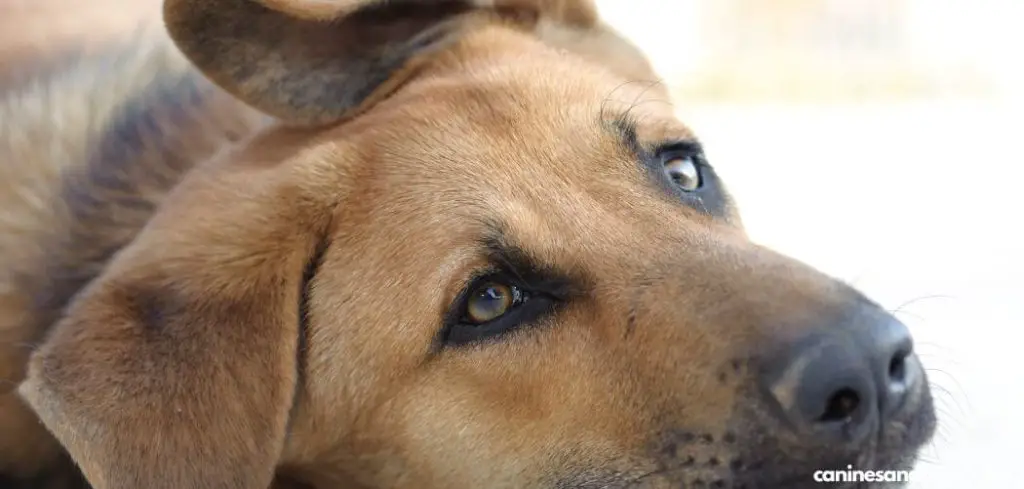
Old Dog Suddenly Has Bad Gas: Common Causes
Age-Related Digestive Slowdown
As dogs grow older, their digestive tract naturally becomes less efficient at breaking down food. Enzyme production decreases, stomach acid levels may change, and intestinal movement slows, allowing food to sit longer in the gut.
When food remains in the intestines too long, bacteria have more time to ferment it, producing excessive gas.
You may notice that your dog still eats normally but seems more bloated, passes gas frequently, or has louder stomach noises.
This type of digestive slowdown often develops gradually but may appear sudden when combined with diet changes or stress.
While this is a normal aging process, prolonged fermentation can lead to discomfort, nutrient malabsorption, and chronic digestive upset if not managed properly.
Read more: Old Dog Smells Bad (What it means)
Food Intolerance or Sensitivity
Older dogs are more likely to develop sensitivities to ingredients they once tolerated well. Common triggers include certain proteins, grains, dairy, soy, artificial additives, and high-fat foods.
When a sensitive digestive system encounters these ingredients, it struggles to break them down completely.
Undigested food then enters the large intestine, where bacteria ferment it and release gas. This often leads to foul-smelling flatulence, bloating, gurgling sounds, and sometimes soft stools.
You may notice gas worsening after meals or after introducing new treats, table scraps, or food brands. Over time, untreated food sensitivities can cause chronic inflammation of the gut lining.
Dental Disease and Poor Chewing
Dental problems are extremely common in senior dogs. Painful teeth, gum disease, loose teeth, and oral infections make chewing uncomfortable, causing dogs to swallow larger pieces of food or gulp their meals.
Poorly chewed food is harder to digest and places extra strain on the stomach and intestines. Large food particles reach the colon intact, where bacteria ferment them aggressively, producing excessive gas.
Signs may include bad breath, drooling, slow eating, dropping food, or preferring soft foods. Without dental treatment, digestive issues and nutrient deficiencies can worsen over time.
Imbalance of Gut Bacteria (Dysbiosis)
A healthy dog’s digestive system relies on balanced populations of beneficial bacteria. In older dogs, this balance is easily disrupted by stress, illness, antibiotics, dietary changes, or chronic disease.
When harmful bacteria outnumber beneficial ones, digestion becomes inefficient. Food ferments abnormally, leading to gas, bloating, diarrhea, and abdominal discomfort.
Dogs with dysbiosis may have unpredictable bowel movements, smelly stools, flatulence, and fluctuating appetite.
Left untreated, chronic imbalance can weaken immune function and increase susceptibility to infections.
Pancreatic or Liver Dysfunction
The pancreas and liver play vital roles in digestion. The pancreas produces enzymes that break down fats, proteins, and carbohydrates, while the liver supports fat digestion and detoxification.
In older dogs, conditions such as pancreatitis, exocrine pancreatic insufficiency, and liver disease can reduce enzyme production.
Without adequate enzymes, food remains partially undigested and ferments in the intestines.
You may also notice weight loss, greasy stools, vomiting, appetite changes, or lethargy. Digestive-related organ disease requires veterinary diagnosis and long-term management.
Intestinal Inflammation
Chronic inflammatory bowel disease, food allergies, intestinal infections, and age-related gut inflammation can damage the intestinal lining. This reduces the body’s ability to absorb nutrients and regulate bacterial activity.
Inflamed intestines allow excess gas to form while interfering with normal bowel movements. Dogs may experience alternating diarrhea and constipation, abdominal pain, weight loss, and persistent flatulence.
These conditions rarely resolve on their own and often require diet modification, medication, and ongoing veterinary monitoring.
Read more: Old Dog Farting A Lot (What it may be telling you)
Old Dog Suddenly Has Bad Gas: What to Do
Start by reviewing your dog’s diet carefully. Avoid sudden food changes, table scraps, fatty treats, and low-quality foods with fillers. Transition slowly to senior-friendly, easily digestible formulas if needed.
Make sure your dog is eating slowly and chewing properly. Elevated bowls, slow-feeder dishes, and softer foods can reduce air swallowing and improve digestion, especially in dogs with dental issues.
Support gut health by discussing probiotics or digestive enzyme supplements with your veterinarian. These can help rebalance bacteria and improve nutrient absorption when used appropriately.
Schedule regular dental checkups and cleanings. Treating oral disease can significantly improve digestion and reduce gas in senior dogs.
Monitor stool quality, appetite, energy levels, and behavior. Keeping a simple log can help you identify patterns and triggers that worsen symptoms.
When to Call or Visit Your Veterinarian
Contact your veterinarian promptly if your dog’s gas is accompanied by vomiting, diarrhea, weight loss, loss of appetite, or abdominal pain. These signs often indicate more serious digestive disease.
Seek immediate care if your dog becomes lethargic, collapses, shows signs of dehydration, or develops bloating with a firm abdomen, as these may signal life-threatening conditions.
If bad gas persists for more than two weeks despite diet changes and supportive care, professional evaluation is recommended to rule out chronic illness.
Dogs with existing conditions such as diabetes, kidney disease, liver disease, or heart disease should be evaluated sooner when digestive changes occur.
Read more: Old Dog Poop in Sleep (Why it happens)
Old Dog Suddenly Has Bad Gas: Treatment
Veterinary treatment for an older dog with sudden bad gas focuses on identifying digestive or systemic causes while relieving discomfort.
A veterinarian will begin with a physical exam and review recent diet changes, new treats, medications, or scavenging behavior, which are common triggers.
If gas is severe or persistent, fecal testing may be performed to check for parasites or bacterial imbalance, and blood tests may be used to rule out pancreatitis, liver disease, or other age-related conditions.
Treatment often includes dietary adjustment to an easily digestible or prescription gastrointestinal diet, probiotics, and sometimes anti-gas or anti-inflammatory medications.
If gas is accompanied by diarrhea, weight loss, vomiting, or appetite changes, further diagnostics and targeted treatment are necessary, as sudden gas in senior dogs can signal underlying disease.
Key Takeaway
Sudden bad gas in an older dog is usually linked to age-related digestive changes, food sensitivities, dental disease, bacterial imbalance, or underlying medical conditions. While occasional gas is normal, ongoing or worsening symptoms deserve attention.
With careful diet management, dental care, and veterinary support, most senior dogs can experience improved digestion and comfort.
Staying observant and proactive helps ensure your aging companion stays healthy and happy for years to come.